

Hockey Goals: Construction, Standards & Selection Guide
Hockey goals represent the fundamental scoring objective in ice hockey and serve as essential equipment for every rink, practice facility, and training program. Understanding the specifications, construction standards, and selection criteria for quality hockey goals helps coaches, athletic directors, and facility managers make informed purchasing decisions that prioritize player safety, durability, and regulation compliance. Whether outfitting a youth hockey program, maintaining a community rink, or upgrading training facilities, the right goals support skill development and competitive play across all levels of the sport.
Understanding Official Hockey Goal Dimensions and Regulations
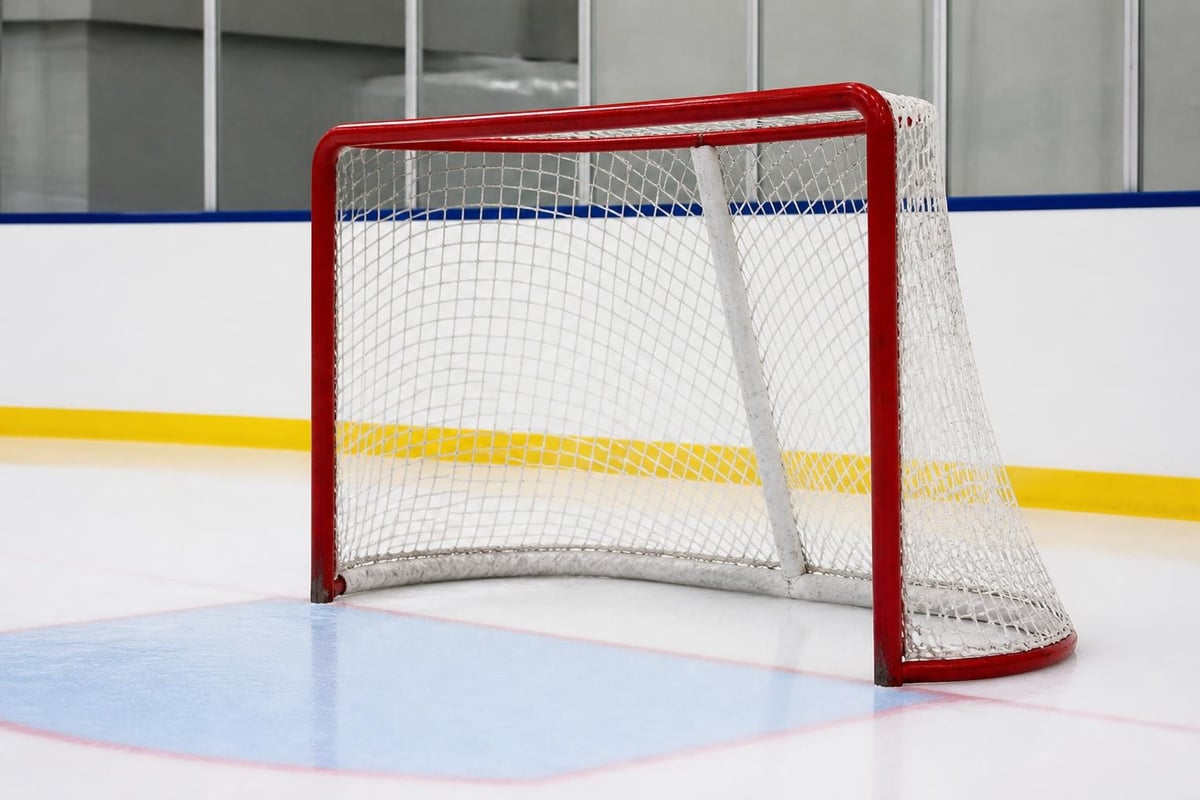
The standardization of hockey goals ensures consistency across leagues and facilities worldwide. According to USA Hockey regulations, official goals measure 6 feet wide by 4 feet high, with a depth ranging from 40 to 44 inches depending on the league and level of play. These precise measurements create uniform scoring opportunities and maintain fairness across all competitive environments.
League-Specific Dimensional Requirements
Different hockey organizations maintain specific dimensional standards while adhering to the core 6x4 framework. The NHL utilizes goals with a depth of 44 inches, while youth leagues may implement slightly shallower configurations to accommodate younger players and smaller rink dimensions.
Standard hockey goal measurements include:
- Width: 72 inches (6 feet)
- Height: 48 inches (4 feet)
- Depth: 40-44 inches (depending on league)
- Pipe diameter: 2 inches (standard frame tubing)
- Net mesh: Maximum 1.5-inch openings
The consistency in these dimensions allows players to develop muscle memory and shooting accuracy that translates across different facilities and competition levels. For detailed specifications across various leagues, this comprehensive guide provides valuable insights into how dimensions have evolved and standardized over time.
Safety Standards and Compliance Requirements
Hockey goal construction must meet rigorous safety standards to prevent injuries during competitive play and practice sessions. The frame must withstand impacts from pucks traveling over 100 miles per hour and collisions from players while remaining securely anchored to the ice surface.
Modern safety requirements mandate breakaway moorings that release the goal from its anchors when significant backward force is applied, preventing dangerous entrapment situations. Additionally, the net attachment system must distribute tension evenly to prevent gaps while allowing quick removal for maintenance and storage.
Material Selection and Construction Quality
The durability and performance of hockey goals depend heavily on material selection and manufacturing quality. Professional-grade goals utilize heavy-gauge steel tubing with powder-coated finishes that resist corrosion from ice resurfacing chemicals and moisture exposure. Budget-conscious programs may consider aluminum constructions, though these typically offer reduced longevity under intensive use conditions.
Frame Materials and Durability Considerations
Steel remains the industry standard for hockey goal frames due to its superior strength-to-weight ratio and impact resistance. High-quality goals feature 2-inch diameter steel tubing with wall thickness ranging from 0.083 to 0.120 inches, providing structural integrity without excessive weight.
| Material Type | Durability Rating | Weight | Cost Range | Best Application |
|---|---|---|---|---|
| Heavy-Gauge Steel | Excellent | 75-90 lbs | $$$ | Competitive leagues, high-use facilities |
| Standard Steel | Very Good | 60-75 lbs | $$ | Youth leagues, school programs |
| Aluminum Alloy | Good | 45-60 lbs | $ | Recreational play, portable training |
The materials and accessories used in professional-grade construction significantly impact the goal's operational lifespan and maintenance requirements. Powder coating provides superior protection compared to traditional paint finishes, resisting chipping and maintaining appearance through years of use.
Net Construction and Performance Features
Hockey goal nets must balance durability with proper puck retention characteristics. Professional nets utilize 3mm knotless nylon construction with UV-resistant treatments that prevent deterioration under arena lighting. The netting attaches to the frame through strategically positioned steel clips or tie-down systems that maintain proper tension distribution.
Key net performance factors:
- Mesh opening size (1.5 inches maximum for regulation play)
- Knotless construction for consistent performance
- UV and abrasion resistance treatments
- Attachment point reinforcement at high-stress areas
- Quick-release systems for efficient setup and breakdown
Premium netting incorporates depth indicators and target zones that assist goalies with positioning and help shooters develop accuracy during practice sessions.
Selection Criteria for Different Programs and Facilities
Choosing appropriate hockey goals requires evaluating program needs, usage intensity, storage capabilities, and budget constraints. Community rinks hosting multiple teams require different specifications than dedicated training facilities or school programs with seasonal hockey activities.
Portable Versus Permanent Installation Options
Portable hockey goals offer flexibility for facilities that share ice time across multiple sports or programs. These goals typically feature wheeled bases or lightweight construction that allows repositioning without specialized equipment. However, portability often comes with trade-offs in stability and durability compared to permanently anchored systems.
Permanent installations utilize floor-mounted moorings that secure goals to regulation positions while allowing quick removal for ice maintenance. This approach provides maximum stability during competitive play while maintaining flexibility for facility operations. Schools and organizations offering diverse athletic programs might explore similar considerations when selecting equipment across different sports, as discussed in our sports equipment selection guide.
Youth Development and Training Applications
Youth hockey programs benefit from goals designed specifically for player development and skill acquisition. While maintaining regulation dimensions helps players develop proper shooting mechanics, training goals may incorporate additional features like target panels, shooting zones, and reinforced construction to withstand repetitive drills.
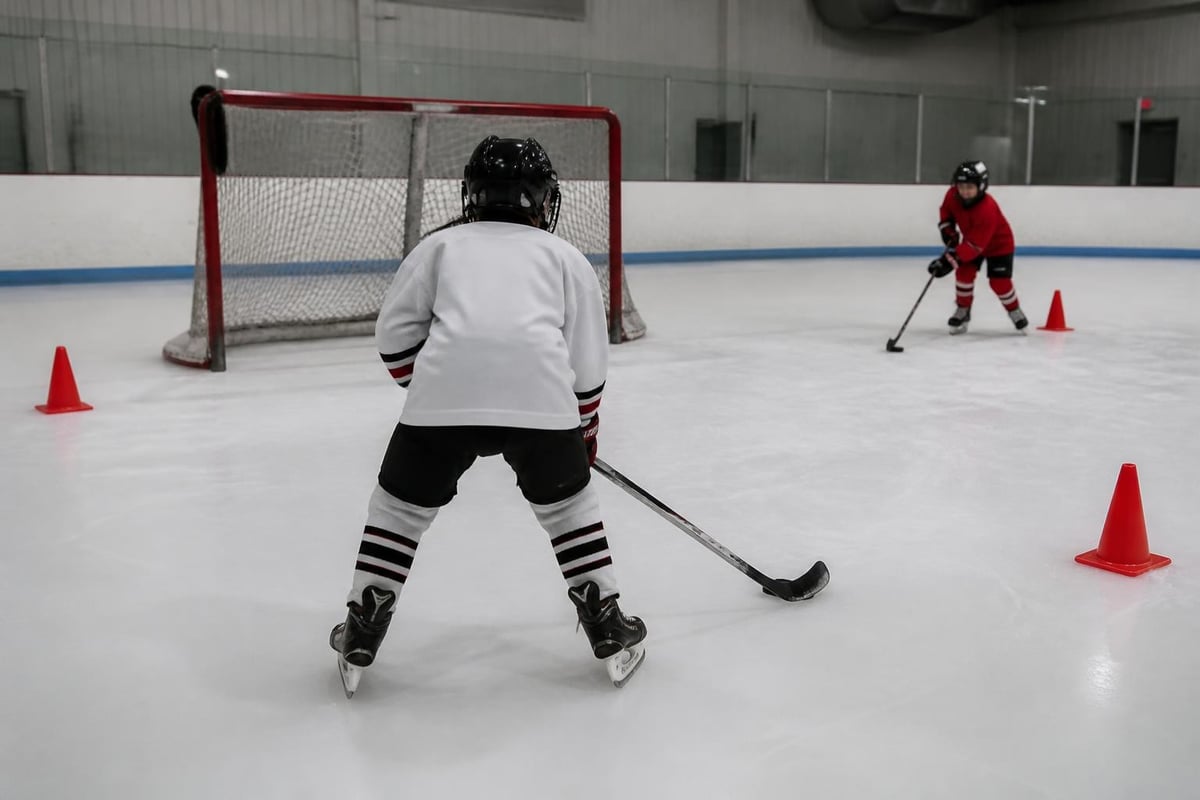
Training facilities often require multiple goal configurations including half-size targets for close-range drills, regulation goals for game simulation, and specialized equipment for goaltender development. The versatility of modern goal systems allows coaches to create varied practice environments that challenge players and accelerate skill development.
Advanced Analytics and Goal Scoring Trends
Understanding scoring patterns and player performance metrics provides valuable context for equipment selection and training program development. Research on offensive momentum demonstrates how data-driven approaches quantify scoring likelihood and help teams optimize their strategies throughout games.
Historical Performance and Equipment Evolution
The evolution of hockey goals has directly influenced scoring trends throughout the sport's history. When examining the most prolific goal scorers in NHL history, the correlation between equipment standardization and consistent performance becomes evident. Modern goal construction eliminates variables that historically affected scoring, creating more reliable competitive environments.
Statistical analysis reveals that goal construction quality impacts game outcomes beyond simple scoring metrics. Net tension, frame stability, and proper anchoring systems all contribute to fair play and consistent puck behavior during crucial moments.
Performance Measurement and Equipment Impact
Teams investing in quality hockey goals create training environments that accurately simulate competitive conditions. This consistency allows coaches to develop reliable performance metrics and helps players build confidence in their shooting accuracy and scoring abilities.
Equipment quality impacts multiple performance factors:
- Shot accuracy development through consistent net behavior
- Goaltender positioning skills with properly tensioned nets
- Player safety during high-intensity drills and scrimmages
- Statistical reliability for performance tracking systems
- Practice efficiency with durable, low-maintenance equipment
Organizations tracking player development benefit from standardized equipment that eliminates variables between practice and competition environments, creating more accurate performance assessments.
Maintenance Requirements and Longevity Factors
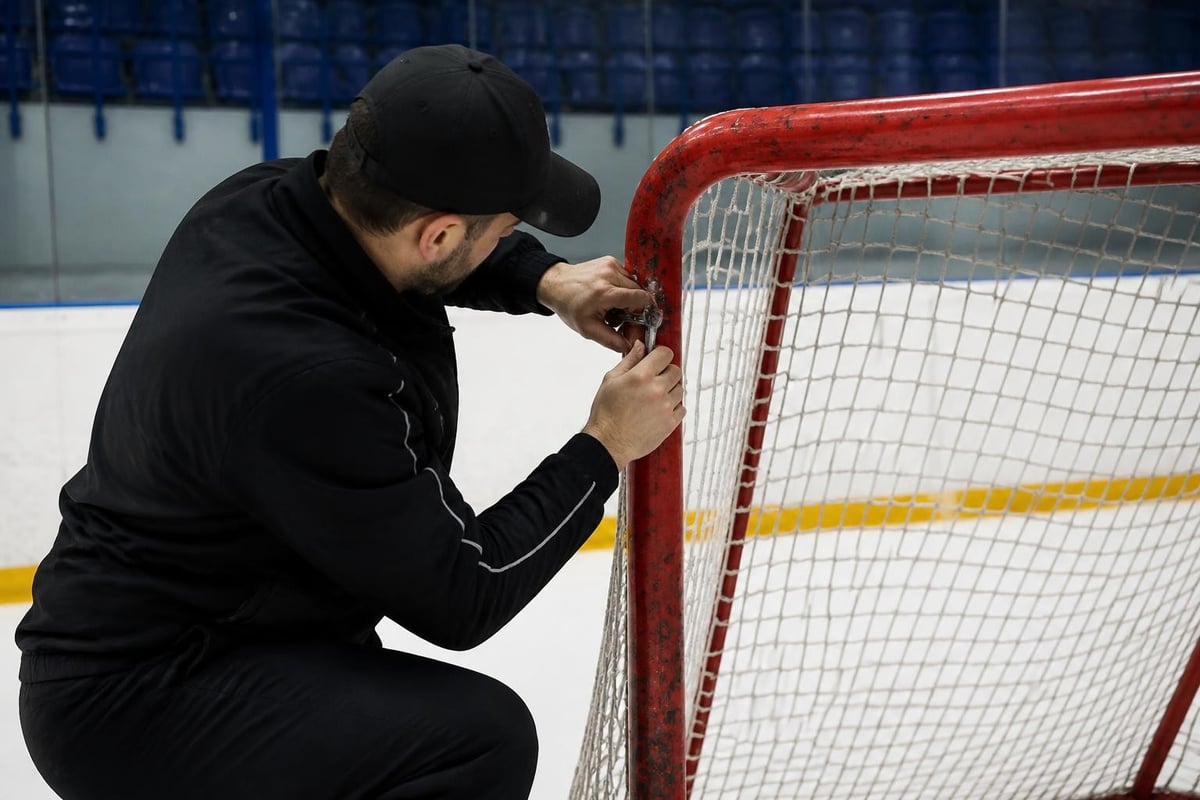
Proper maintenance extends the operational lifespan of hockey goals while ensuring continued safety compliance and performance consistency. Regular inspections identify structural issues before they compromise player safety or affect game play.
Routine Inspection and Care Protocols
Professional facilities implement systematic inspection schedules that evaluate frame integrity, net condition, anchor security, and overall structural soundness. These protocols typically occur weekly during active seasons and before each competitive event.
| Inspection Item | Frequency | Key Checkpoints | Action Required |
|---|---|---|---|
| Frame Welds | Weekly | Cracks, separation, stress points | Immediate repair/replacement |
| Net Integrity | Before each use | Holes, fraying, tension loss | Patch or replace as needed |
| Anchor Systems | Weekly | Moorings, breakaway function | Lubricate, adjust, test |
| Finish Condition | Monthly | Rust, coating damage, corrosion | Touch up or refinish |
Storage procedures significantly impact equipment longevity. Hockey goals stored in climate-controlled environments with proper support systems maintain structural integrity far longer than equipment exposed to temperature extremes or stored improperly during off-seasons.
Replacement Timing and Budget Planning
Athletic directors and facility managers benefit from establishing replacement cycles based on usage intensity rather than arbitrary timelines. High-use facilities may require goal replacement every 3-5 years, while moderate-use programs achieve 7-10 year lifespans with quality equipment and proper maintenance.
Budget planning should account for both complete goal replacement and component-level repairs such as net replacement, anchor system upgrades, and frame refinishing. Organizations like Sideline Sport Supply provide comprehensive equipment solutions that help programs maintain quality standards while managing costs effectively.
Safety Innovations and Modern Goal Systems
Contemporary hockey goal designs incorporate advanced safety features that protect players while maintaining regulation compliance and performance standards. These innovations address historical injury patterns and reflect evolving understanding of player safety requirements.
Breakaway Mooring Systems
Modern anchoring systems utilize magnetic or spring-loaded moorings that release when backward force exceeds predetermined thresholds. This technology prevents dangerous situations where players become trapped between the goal and boards during collisions while maintaining sufficient stability for normal play.
The European safety standards for outdoor hockey goals provide comprehensive specifications ensuring player protection across various installation scenarios. While originally developed for outdoor applications, many indoor facilities adopt these enhanced safety requirements for additional protection.
Frame Design Improvements
Contemporary goal frames incorporate rounded edges, recessed welds, and smooth transitions that minimize injury risk during player contact. These design refinements complement traditional safety features while improving overall durability and maintenance efficiency.
Quality manufacturers implement rigorous testing protocols that simulate years of competitive use, ensuring goals maintain structural integrity and safety performance throughout their operational lifespan. Programs prioritizing player safety benefit from investing in equipment meeting or exceeding all applicable safety standards.
Procurement Strategies for Organizations and Schools
Educational institutions and sports organizations face unique challenges when procuring hockey goals, including budget constraints, multi-sport facility requirements, and varying competition levels. Strategic purchasing approaches maximize value while ensuring equipment meets program needs.
Grant Opportunities and Funding Resources
Many hockey programs access grant funding through youth sports development initiatives, community recreation programs, and educational facility improvement allocations. These funding sources often require equipment purchases meeting specific safety and quality standards, making documentation of compliance requirements essential during the procurement process.
Organizations should maintain comprehensive equipment specifications and safety certifications that demonstrate responsible fund utilization and program commitment to player welfare. This documentation supports both initial funding applications and ongoing program sustainability efforts.
Bulk Purchasing and Partnership Programs
Schools and organizations operating multiple facilities or coordinating regional programs achieve significant cost savings through bulk equipment purchases. Establishing relationships with reliable suppliers ensures consistent product quality across facilities while simplifying procurement processes and warranty administration.
Partnership programs with equipment suppliers may provide additional benefits including extended payment terms, seasonal discount opportunities, and priority access to replacement parts. Teams exploring comprehensive equipment solutions can review options through specialized suppliers offering athletic equipment for various sports, streamlining procurement across entire athletic departments.
Installation and Setup Best Practices
Proper installation ensures hockey goals perform safely and reliably throughout their operational lifespan. Whether implementing permanent mooring systems or configuring portable setups, attention to detail during installation prevents future performance issues and safety concerns.
Permanent Mooring Installation
Permanent goal installations require precise positioning to maintain regulation distances and alignment. Professional installation teams use laser measurement systems and specialized templates ensuring goals meet exact specifications required for competitive play.
Installation process key steps:
- Verify ice surface integrity at mounting locations
- Mark precise anchor positions using regulation templates
- Install mooring systems according to manufacturer specifications
- Test breakaway mechanisms under controlled conditions
- Document installation details for maintenance records
Facilities should maintain detailed installation documentation including anchor specifications, mooring system details, and alignment measurements. This information proves invaluable during routine maintenance, equipment replacement, and facility inspections.
Portable Goal Setup and Storage
Portable goals require consistent setup procedures ensuring stability and safety during each use. Training facility staff on proper assembly techniques prevents equipment damage and maintains safety standards across different users and sessions.
Storage systems protecting goals during off-seasons or between uses significantly extend equipment lifespan. Wall-mounted racks, dedicated storage carts, and climate-controlled storage areas prevent frame damage and net deterioration common with improper storage methods.
Integration with Complete Training Environments
Hockey goals function as part of comprehensive training systems incorporating shooting lanes, goalie development stations, and skill development zones. Strategic equipment selection considers how goals integrate with other training components creating cohesive practice environments.
Professional training facilities often implement modular systems allowing rapid reconfiguration between drills focusing on different skills. This flexibility maximizes ice time efficiency while providing varied training stimuli that accelerate player development across all positions.
Organizations developing complete athletic facilities benefit from coordinated equipment planning across multiple sports. The principles governing hockey goal selection apply similarly when choosing equipment for other programs, whether outfitting soccer training areas or developing comprehensive multi-sport complexes.
Quality hockey goals form the foundation of effective training programs and competitive facilities, requiring careful selection based on safety standards, construction quality, and program-specific needs. Whether establishing new programs, upgrading existing facilities, or maintaining current equipment, understanding dimensional requirements, material options, and safety innovations ensures informed purchasing decisions that serve athletes and organizations for years. Sideline Sport Supply delivers the reliable, game-ready equipment and straightforward support that helps teams focus on development and competition rather than equipment concerns, with fast fulfillment and quality products designed for every level of play.