

Baseball Pitching Net: Essential Guide for 2026
Training effective pitchers requires repetition, precision, and immediate feedback-all elements that can be challenging to deliver consistently during team practices. A baseball pitching net solves these obstacles by providing a dedicated target for hurlers to refine their mechanics, improve accuracy, and build confidence through focused repetition. Whether you're equipping a high school program, organizing youth leagues, or supporting individual player development, understanding how to select and utilize pitching nets effectively transforms practice sessions from chaotic to productive.
Understanding Baseball Pitching Net Benefits
A baseball pitching net delivers measurable advantages that extend beyond simple catch-and-release practice. These training tools enable pitchers to work independently, reducing the need for constant catcher availability while maintaining high-quality repetitions. The focused environment created by net training helps athletes concentrate on mechanics without worrying about wild pitches or receiver fatigue.
Time Efficiency and Practice Volume
Traditional bullpen sessions require coordinating schedules between pitchers and catchers, limiting the total volume of throws an athlete can complete during available practice windows. Pitching nets eliminate this constraint entirely. A single pitcher can complete 50-100 focused throws in the time it might take to organize a traditional bullpen session.
Key time-saving advantages include:
- Independent practice scheduling without requiring partner availability
- Rapid setup and breakdown for efficient field usage
- Immediate ball return for continuous throwing rhythm
- Reduced waiting time between practice opportunities
Schools and organizations operating with limited field access find nets particularly valuable. Multiple pitchers can rotate through stations, maximizing practice opportunities even when space is constrained. This efficiency directly translates to improved skill development, as research consistently shows that repetition volume correlates strongly with mechanical consistency.
Mechanical Development and Muscle Memory
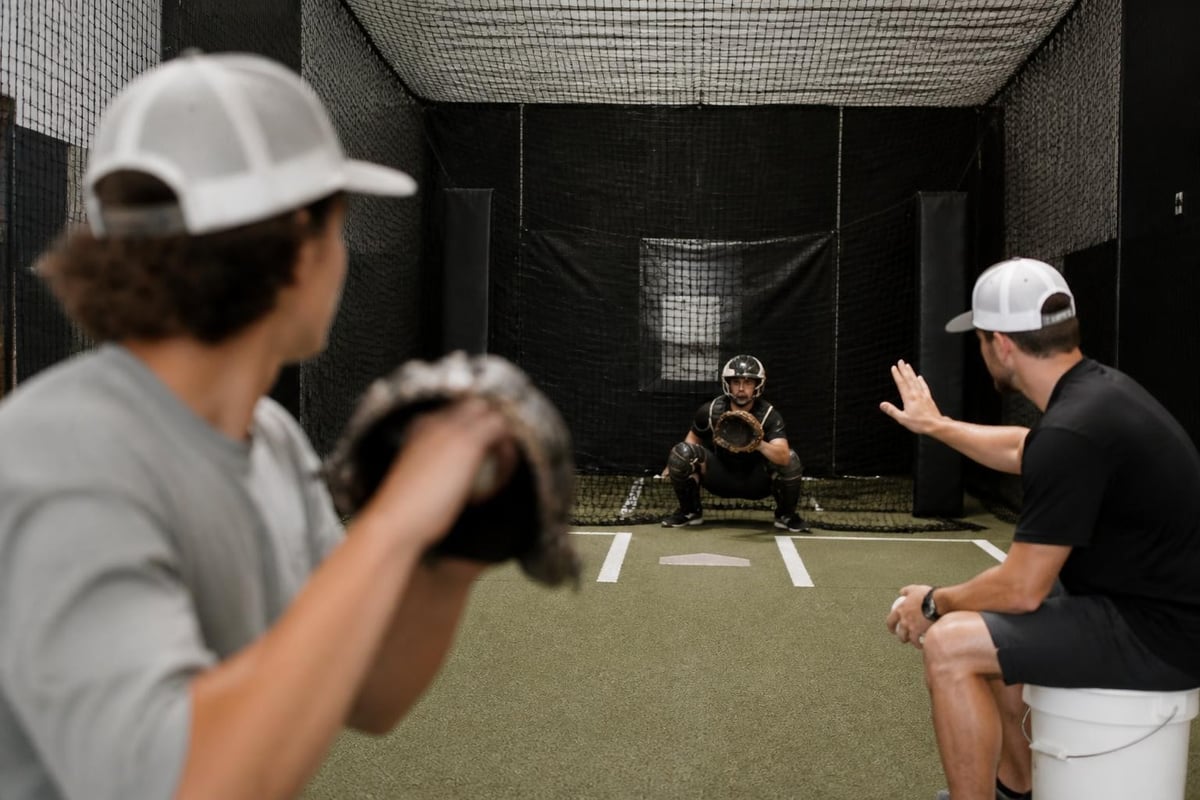
Using a baseball pitching net allows pitchers to isolate specific mechanical elements without the pressure of live competition. This controlled environment proves essential for implementing new techniques or correcting problematic habits. When working through mechanical adjustments, athletes need safe spaces to experiment without fearing negative consequences from errant throws.
The repetitive nature of net training builds muscle memory efficiently. Pitchers can focus exclusively on release points, arm angles, stride length, or follow-through mechanics while receiving immediate visual feedback from ball trajectory. This isolation technique, often referenced in fundamental pitching drills for youth players, accelerates the learning curve for athletes at all skill levels.
| Mechanical Focus | Net Training Benefit | Expected Timeline |
|---|---|---|
| Release Point | Visual trajectory feedback | 2-3 weeks |
| Stride Length | Consistent distance practice | 3-4 weeks |
| Arm Slot | Angle verification | 2-4 weeks |
| Follow-Through | Balance development | 4-6 weeks |
Selecting the Right Baseball Pitching Net
Not all pitching nets deliver equal value. Construction quality, size specifications, portability features, and target systems vary significantly across available options. Making informed selections requires understanding how specific features align with your training objectives and usage patterns.
Construction and Durability Considerations
The net material and frame construction determine longevity and performance reliability. Heavy-duty knotted netting withstands thousands of impacts better than cheaper alternatives that deteriorate quickly under regular use. Frame materials range from lightweight aluminum to heavy-duty steel, each offering distinct advantages depending on your primary use case.
When evaluating construction quality, examine these critical elements:
- Net mesh size: Smaller openings (1.5-2 inches) prevent ball pass-through
- Frame gauge: Thicker tubing (1.5 inches or greater) resists bending
- Joint construction: Welded connections outlast bolt-together designs
- Anchor points: Ground stakes or weighted bases ensure stability
Organizations planning daily usage should prioritize commercial-grade construction over budget models. The initial cost difference becomes negligible when calculated across the equipment's useful lifespan. Schools and training facilities typically find that investing in professional-grade nets reduces replacement frequency and maintenance requirements significantly.
Size and Target Zone Features
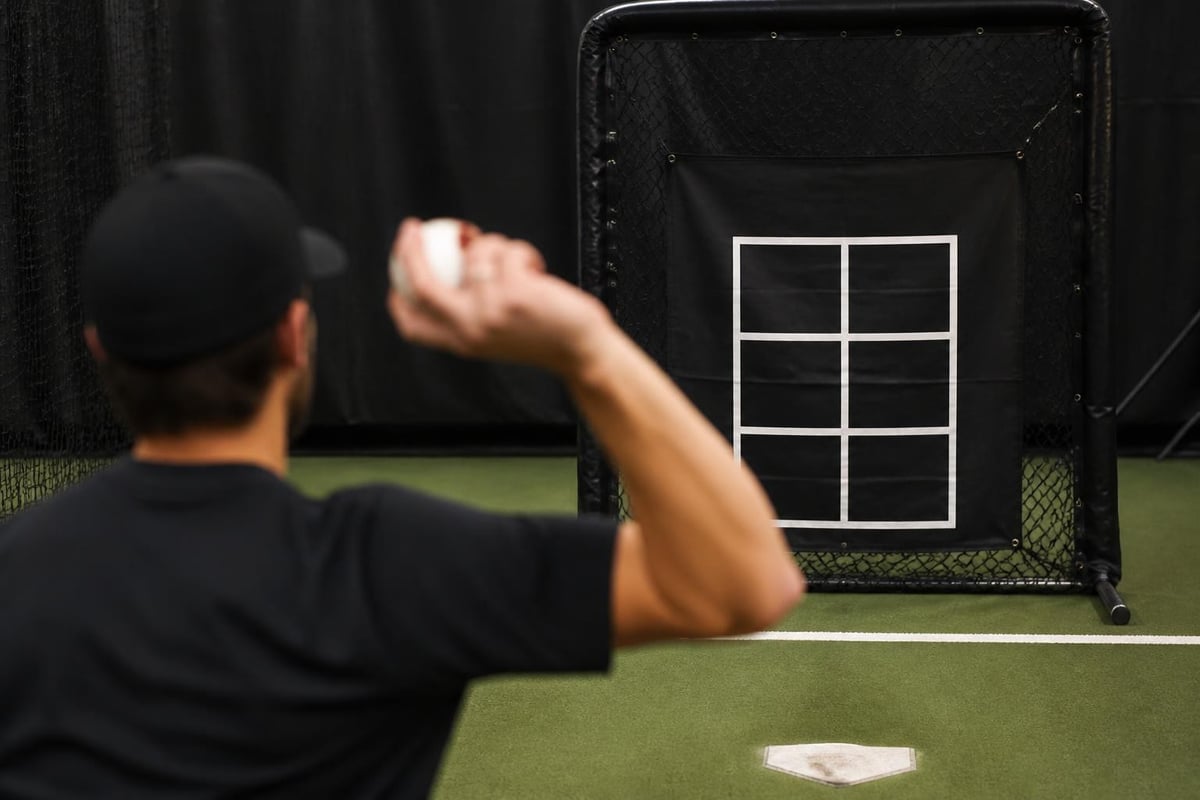
Baseball pitching nets range from compact 7x7-foot models to expansive 10x10-foot professional systems. Selecting appropriate dimensions depends on the age group you're serving and available practice space. Youth players developing basic control benefit from larger strike zones that build confidence, while advanced pitchers require precise target areas that challenge accuracy.
Modern nets incorporate strike zone targets that transform generic throwing practice into focused accuracy training. According to insights on pitching targets and nets, these visual guides provide objective feedback that helps pitchers develop consistent location awareness. Some sophisticated models feature removable pocket systems allowing coaches to customize target configurations based on specific training objectives.
Recommended sizes by skill level:
- Youth (ages 8-12): 7x7 feet with full strike zone coverage
- Middle school (ages 13-14): 8x8 feet with defined target quadrants
- High school (ages 15-18): 9x9 feet with precision pocket targets
- College/Advanced: 10x10 feet with adjustable target systems
The relationship between net size and training effectiveness isn't straightforward-bigger doesn't automatically mean better. Appropriately sized equipment matched to skill level produces superior development outcomes compared to oversized nets that don't challenge accuracy or undersized options that frustrate developing pitchers.
Implementing Effective Net Training Programs
Owning quality equipment represents only the first step toward improved pitching performance. Structured training protocols that leverage net capabilities maximize development outcomes. Coaches and players benefit from understanding proven drill progressions and practice methodologies that translate net work into game performance.
Progressive Accuracy Drills
Beginning pitchers should start with fundamental control exercises before advancing to precision work. This progression builds confidence while establishing proper mechanics. Initial drills focus on consistent strikes within the general zone, gradually narrowing target areas as control improves.
A proven four-week progression includes:
Week 1-2: Zone Familiarization
- 20 throws at full strike zone
- Focus on consistent release and balance
- Track strike percentage (target: 70%+)
Week 3-4: Quadrant Targeting
- Divide zone into four sections
- 10 throws per quadrant
- Emphasize location over velocity
Week 5-6: Corner Work
- Focus on black edges of strike zone
- Alternate inside/outside locations
- Introduce pitch variety (fastball/changeup)
Week 7-8: Game Simulation
- Call specific locations before each pitch
- Mix speeds and movement
- Record accuracy rates for evaluation
This structured approach, similar to methods outlined in baseball rebounder net reviews, ensures continuous skill advancement while preventing frustration from unrealistic early expectations.
Integration with Team Practice
Baseball pitching nets shouldn't replace live bullpen sessions entirely-they complement traditional training by addressing specific developmental needs. Smart integration involves using nets for mechanical work and volume throwing while reserving live sessions for timing, sequencing, and game-situation practice.
| Practice Component | Net Training | Live Bullpen |
|---|---|---|
| Mechanical adjustments | Primary focus | Secondary reinforcement |
| Volume throwing | 60-70% of total | 30-40% of total |
| New pitch development | Initial experimentation | Competition integration |
| Pre-game warmup | Long toss alternative | Final tune-up |
Teams with limited practice time optimize development by establishing dedicated net stations where pitchers rotate through focused skill work while position players complete separate drills. This parallel training structure, commonly used by successful programs, maximizes field utilization and keeps all athletes engaged throughout practice sessions.
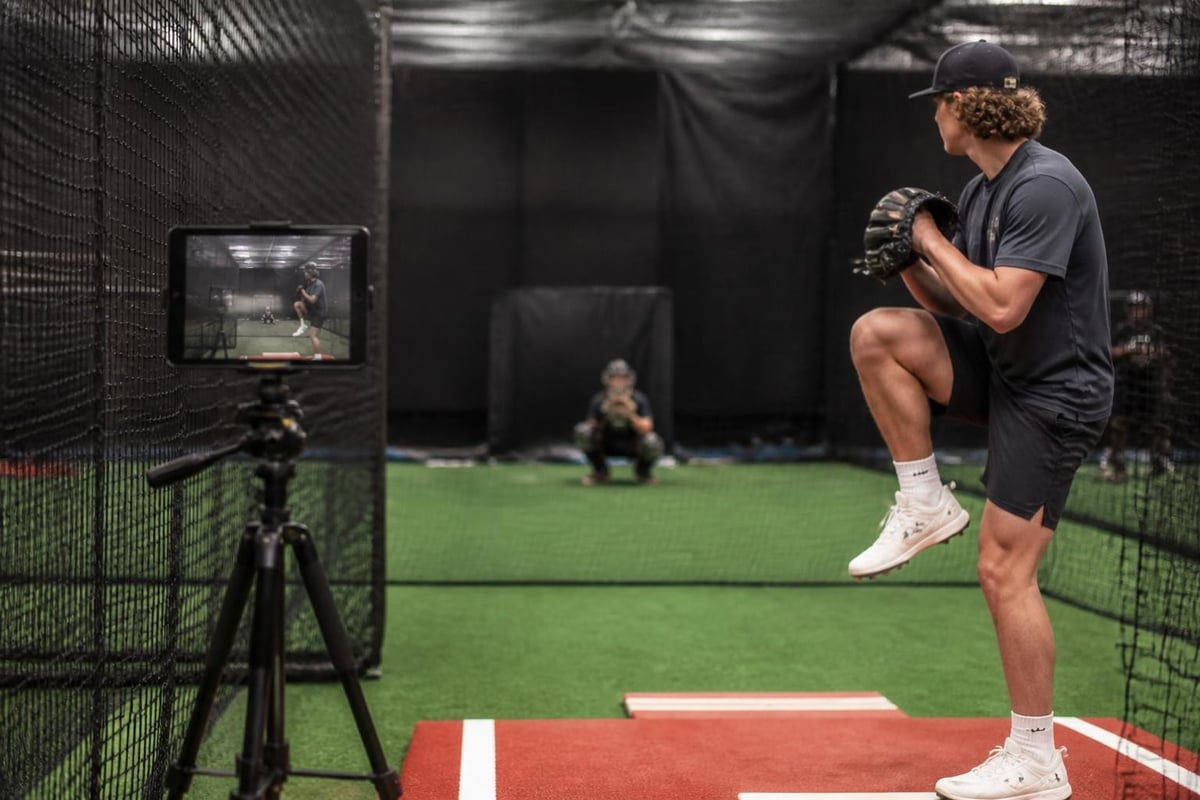
Many coaches also incorporate video analysis during net sessions. Setting up a smartphone or tablet to record throwing mechanics allows immediate review and correction. Modern analysis apps can track release points, arm angles, and delivery consistency, providing objective data that accelerates improvement. When combined with the repetition opportunities nets provide, this technology integration creates powerful development systems accessible to programs at any budget level.
Maintenance and Longevity Strategies
Proper care extends the useful life of your baseball pitching net significantly. Regular maintenance prevents small issues from becoming expensive repairs while ensuring safe, effective training conditions. Organizations investing in quality equipment should implement systematic care protocols to protect that investment.
Weather Protection and Storage
Outdoor net exposure accelerates deterioration through UV damage, moisture accumulation, and temperature cycling. While many nets feature weather-resistant coatings, prolonged exposure still reduces lifespan. Whenever possible, store nets indoors between uses or protect them with waterproof covers designed specifically for athletic equipment.
Essential protection practices:
- Remove nets during extended non-use periods
- Apply UV protectant spray to netting (biannually)
- Inspect frame joints for rust or corrosion
- Tighten connection points before each season
- Replace worn netting before complete failure
Schools operating year-round programs should rotate multiple nets through active use and rest cycles. This approach distributes wear across equipment inventory while ensuring backup availability during peak training periods. The incremental cost of maintaining a two-net rotation proves far less expensive than emergency replacement purchases during critical training phases.
Inspection and Repair Protocols
Establishing regular inspection schedules identifies problems before they compromise training safety or effectiveness. Monthly visual checks during active seasons catch most issues early, while comprehensive annual inspections before season starts ensure equipment readiness.
Check these critical areas during inspections:
- Net integrity: Look for tears, fraying, or excessive stretching
- Frame stability: Test all joints and connection points
- Target systems: Verify secure attachment and condition
- Ground anchors: Ensure proper function and placement
- Moving parts: Lubricate hinges and adjustment mechanisms
Minor repairs handled promptly prevent cascading failures. Small tears in netting can be patched with repair kits available from most suppliers, while loose frame connections typically require only basic tools to tighten. Addressing these minor issues immediately during inspection saves substantial repair costs and prevents mid-practice equipment failures that disrupt training flow.
For organizations managing multiple facilities or large equipment inventories, implementing digital tracking systems helps maintain consistent care standards. Simple spreadsheets recording inspection dates, repairs performed, and replacement timelines ensure nothing falls through administrative cracks. This systematic approach to equipment management exemplifies the professional practices that distinguish successful athletic programs.
Advanced Applications and Specialized Training
Beyond basic accuracy development, baseball pitching nets support specialized training applications that address specific performance challenges. Advanced programs leverage nets for biomechanical analysis, pitch development, and rehabilitation protocols that extend their utility well beyond beginner skill building.
Biomechanical Analysis and Injury Prevention
Modern pitching mechanics research emphasizes the connection between proper technique and injury prevention. Nets create controlled environments for analyzing delivery mechanics without the variables introduced by live batters or game pressure. This isolation allows coaches and sports medicine professionals to identify potentially harmful patterns before they cause damage.
Resources like PitcherNet automated analysis systems demonstrate how technology integration with net training provides unprecedented insight into pitching mechanics. While cutting-edge automated systems remain expensive for most programs, even basic video analysis combined with net training delivers valuable biomechanical feedback.
Injury prevention protocols using nets focus on:
- Monitoring arm slot consistency across pitch counts
- Tracking velocity maintenance through extended sessions
- Identifying fatigue-related mechanical breakdowns
- Developing proper recovery throws and warmup progressions
Physical therapists working with recovering pitchers frequently incorporate nets into rehabilitation programs. The controlled environment allows gradual load progression while monitoring mechanical integrity throughout the return-to-play process. This application proves particularly valuable for athletes recovering from shoulder or elbow injuries where premature return to live throwing could cause reinjury.
Pitch Development and Repertoire Expansion
Developing new pitches requires extensive experimentation in low-pressure environments. A baseball pitching net provides the perfect setting for this developmental work. Pitchers can attempt new grips, arm angles, and release points without fearing wild pitches or ineffective results in competitive situations.
The Net Pitching Drill technique demonstrates how focused net work improves specific mechanical elements that translate directly to new pitch effectiveness. Breaking ball development particularly benefits from net training, as pitchers can concentrate exclusively on spin mechanics and release points without simultaneously managing location and sequencing demands.
When introducing new pitches, follow this systematic approach:
- Grip experimentation: Test multiple finger placements (15-20 throws each)
- Spin verification: Use high-speed video or spin-tracking devices
- Location development: Target specific zones once spin achieves consistency
- Speed variation: Adjust velocity while maintaining movement
- Integration practice: Mix new pitch with established repertoire
This methodical development process typically requires 200-300 throws before a new pitch reaches game-ready status. Attempting this volume during live bullpen sessions would exhaust catchers and consume excessive practice time. Nets enable efficient pitch development that fits within existing practice schedules without compromising other training priorities.
Equipment Complementarity and Training Systems
Maximizing pitching development requires integrating nets with complementary training tools. Smart equipment combinations create comprehensive development systems that address multiple skill dimensions simultaneously. Understanding how different tools work together helps programs build efficient training environments within budget constraints.
Building Complete Training Stations
A fully equipped pitching station combines several elements beyond just the net itself. Organizations serious about pitcher development should consider these complementary components:
| Equipment | Primary Function | Integration with Net |
|---|---|---|
| Radar gun | Velocity tracking | Monitors speed consistency during accuracy work |
| Strike zone mat | Location reference | Provides ground-level feedback for pitch placement |
| Weighted balls | Arm strength development | Builds velocity during net sessions |
| Video capture system | Mechanical analysis | Documents delivery patterns for review |
Programs can explore baseball-specific equipment from suppliers like those offering synthetic leather pitching machine baseballs to complement their net training systems. Using consistent, quality balls during practice ensures reliable feedback and protects net longevity.
The progressive investment approach works well for budget-conscious programs. Start with a quality net as the foundation, then add complementary tools as resources permit. This staged development builds comprehensive training systems without requiring prohibitive upfront investment.
Multi-Sport Facility Integration
Schools and training facilities serving multiple sports benefit from understanding how pitching nets fit within broader athletic programs. Space-efficient solutions often involve dual-purpose setups where nets serve baseball, softball, and even lacrosse programs through simple configuration changes.
Organizations managing diverse athletic programs might consider versatile training equipment that serves multiple sports. While specialized baseball pitching nets deliver optimal performance for hardball training, facilities with extreme space constraints sometimes benefit from multi-sport solutions. Products like multi-sport rebounders offer different utility profiles suited to different facility requirements.
Strategic facility planning considers traffic flow, storage accessibility, and seasonal usage patterns. Baseball programs typically dominate spring schedules, allowing softball teams to utilize the same nets during summer and fall. This shared usage maximizes equipment return on investment while ensuring all athletes access quality training tools throughout their competitive seasons.
Cost Analysis and Budget Planning
Understanding the total cost of ownership helps athletic directors and coaches make informed purchasing decisions. Beyond initial acquisition prices, comprehensive budget planning accounts for maintenance, replacement cycles, and opportunity costs associated with inadequate equipment.
Initial Investment Considerations
Baseball pitching nets span wide price ranges depending on construction quality, size, and feature sets. Entry-level residential models start around $100-200, while commercial-grade systems designed for institutional use range from $400-1,200. Professional training facilities sometimes invest in premium systems exceeding $2,000 that include advanced target systems and automated ball return mechanisms.
Price tier comparison:
- Budget ($100-250): Basic construction, residential use, 1-2 year lifespan
- Mid-range ($250-600): Reinforced frames, school/club suitable, 3-5 year lifespan
- Professional ($600-1,200): Commercial grade, institutional warranty, 5-10 year lifespan
- Premium ($1,200+): Advanced features, specialized applications, 10+ year lifespan
Organizations should calculate cost-per-use when evaluating options. A $800 net serving 30 pitchers over five seasons costs approximately $5.33 per pitcher annually-a negligible expense compared to the development value delivered. This perspective helps justify appropriate quality investments rather than selecting cheap alternatives requiring frequent replacement.
Grant funding and booster support often becomes available when programs demonstrate specific equipment needs tied to measurable development outcomes. Preparing detailed proposals showing how pitching nets improve player safety, increase practice efficiency, and support competitive success helps secure funding from sources that might otherwise overlook basic equipment requests.
Long-Term Value and Return on Investment
Quality baseball pitching nets deliver returns far exceeding their purchase prices through multiple value channels. Direct benefits include improved pitcher performance, reduced injury rates, and enhanced practice efficiency. Indirect advantages encompass recruiting appeal, program reputation, and athlete retention.
Quantifying these returns helps justify appropriate equipment investment:
Measurable returns include:
- Practice time efficiency: 30% more throwing repetitions per session
- Injury reduction: 15-20% fewer arm injuries in programs emphasizing mechanics
- Performance improvement: Average 5-8% accuracy gains over single season
- Equipment longevity: 5-10 year lifespan versus 1-2 year budget alternatives
Programs tracking these metrics demonstrate clear value to administrators making budget decisions. The data-driven approach to equipment justification becomes increasingly important as athletic departments face budget scrutiny and competing resource demands.
Furthermore, quality training equipment contributes to program culture and athlete commitment. Players recognize when organizations invest in their development through proper tools and facilities. This recognition builds loyalty, improves retention, and enhances recruiting competitiveness-intangible benefits that compound over time to create sustained program excellence.
When building relationships with reliable equipment suppliers, schools and organizations benefit from partners who understand athletic programs' unique needs. Working with companies focused on practical, game-day-ready gear ensures access to products designed specifically for institutional use rather than consumer-grade alternatives that fail under demanding practice schedules.
Selecting and implementing the right baseball pitching net transforms individual skill development and team practice efficiency across all competitive levels. From youth leagues establishing fundamental mechanics to collegiate programs refining elite performance, these essential training tools deliver measurable improvements when chosen thoughtfully and utilized systematically. Whether you're equipping a single coach working with developing players or outfitting a complete facility serving multiple teams, Sideline Sport Supply provides reliable, affordable equipment backed by straightforward pricing and fast fulfillment-so your athletes spend less time waiting for gear and more time developing the skills that win games.