

Rebounder Lacrosse: Training Tools for Skill Development
Training equipment has transformed how athletes develop fundamental skills outside of team practices. For lacrosse players seeking to improve stick handling, passing accuracy, and reaction time, rebounder lacrosse training offers a practical solution that doesn't require a partner or coach. These specialized training tools provide consistent ball returns that simulate game-like scenarios, allowing players to maximize repetitions and build muscle memory on their own schedule. Whether installed in a backyard, used at a training facility, or set up in a gymnasium, lacrosse rebounders have become essential equipment for serious athletes committed to elevating their performance.
Understanding Rebounder Lacrosse Equipment
Rebounder lacrosse systems consist of angled nets or surfaces designed to return thrown balls to the player at predictable trajectories. The fundamental design creates a training partner that never tires, providing unlimited repetitions for practicing catches, throws, ground balls, and reaction drills.
Most rebounders feature adjustable angles that allow players to customize return trajectories. This versatility enables athletes to practice different skill sets within a single training session. Steep angles simulate high passes and aerial balls, while shallow angles replicate ground balls and quick stick work.
Core Components and Construction
Quality rebounder lacrosse equipment incorporates several essential elements:
- Tensioned netting that provides consistent rebounds without excessive ball retention
- Steel or aluminum frames built to withstand repeated impacts from regulation lacrosse balls
- Angle adjustment mechanisms for versatile training configurations
- Stability features including ground stakes, weighted bases, or anchoring systems
- Weather-resistant materials suitable for outdoor installation and year-round use
The construction quality directly impacts training effectiveness. Professional-grade units maintain tension consistency over thousands of throws, while budget models may require frequent adjustments or replacement parts.
Size and Portability Considerations
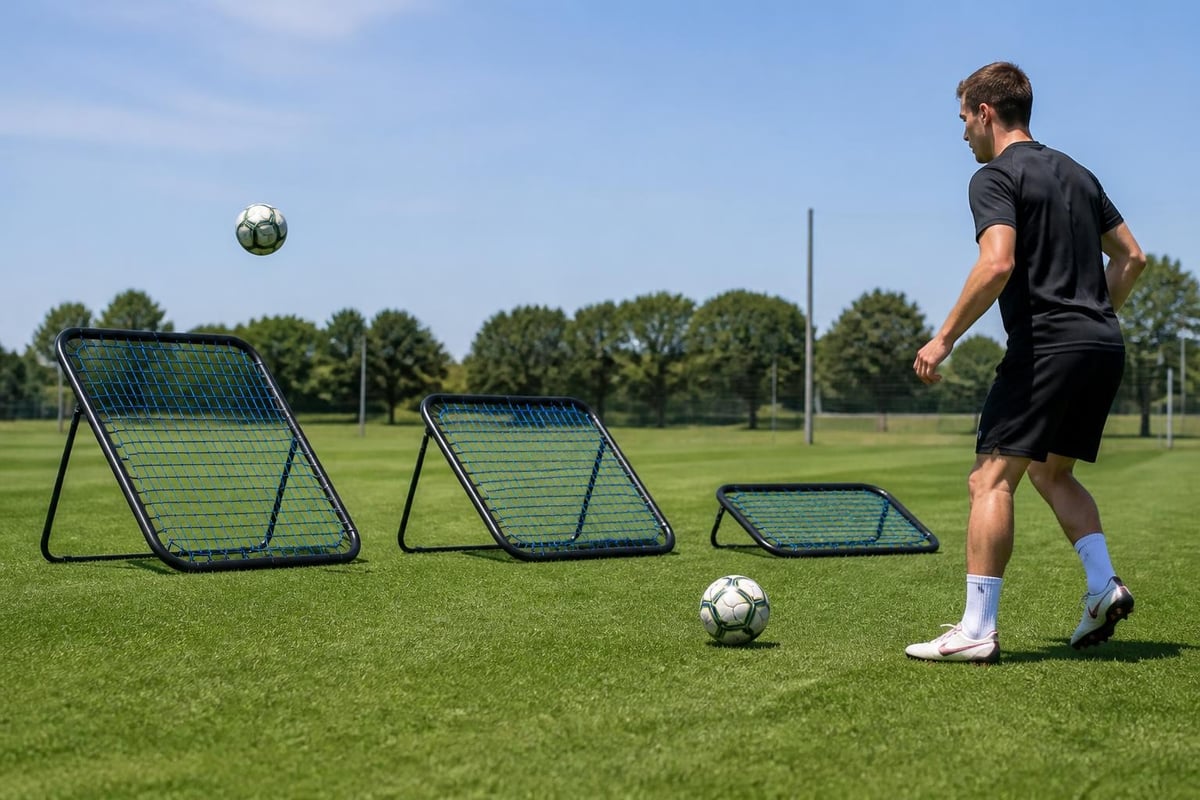
Training rebounders range from compact 4x4 foot models to professional 8x8 foot systems. Smaller units offer portability and convenience for players with limited space, while larger rebounders provide expanded target areas that better simulate game conditions.
| Rebounder Size | Best Use Case | Portability | Typical Price Range |
|---|---|---|---|
| 4x4 feet | Individual skills, limited space | High | $100-$250 |
| 6x6 feet | Standard practice, backyard training | Moderate | $200-$400 |
| 8x8 feet | Team drills, institutional use | Low | $350-$700+ |
Athletes should evaluate their available space, transportation capabilities, and primary training objectives when selecting equipment dimensions. Schools and training facilities typically invest in larger, permanent installations, while individual players often prefer mid-size models that balance performance with portability.
Setting Up Your Training Space
Proper rebounder lacrosse installation ensures safety, maximizes training effectiveness, and extends equipment lifespan. The setup process requires attention to spatial requirements, surface conditions, and environmental factors.
Begin by measuring your available area. A standard 6x6 foot rebounder requires approximately 30 feet of clear space behind the player position to accommodate errant throws and provide adequate reaction time for returns. Width considerations should account for off-center throws, typically requiring 15-20 feet of lateral clearance.
Installation Best Practices
Setting up a lacrosse rebounder involves specific steps to ensure optimal performance:
- Select level ground to prevent uneven tension and inconsistent rebounds
- Anchor the frame using stakes, sandbags, or weighted bases depending on surface type
- Adjust net tension to achieve desired responsiveness and ball return speed
- Set initial angle based on skill focus for the training session
- Test multiple throws from various distances to verify consistent performance
- Mark player positions with cones or markers to maintain proper spacing
Surface selection impacts both safety and equipment longevity. Grass provides cushioning for ground ball drills but may require additional anchoring in wet conditions. Concrete or asphalt offers stability but increases wear on equipment and poses higher injury risk during aggressive drills.
Indoor vs. Outdoor Configurations
Training environments present different opportunities and challenges. Outdoor installations benefit from unlimited space and natural conditions that replicate game environments. However, weather exposure requires equipment rated for UV resistance and moisture protection.
Indoor setups eliminate weather concerns and provide year-round accessibility. Ceiling height becomes the primary limitation, restricting high-angle adjustments in facilities with low clearances. Gymnasium floors require non-marking feet or protective mats to prevent damage during training sessions.
For teams and schools looking to equip multiple training areas, consider investing in reliable practice equipment that withstands constant use across different environments and seasons.
Skill Development Through Rebounder Training
Rebounder lacrosse practice accelerates skill acquisition through focused repetition and immediate feedback. The consistent ball returns allow players to isolate specific techniques and refine mechanics without the variables introduced by human training partners.
Passing Accuracy and Power
Throwing mechanics improve dramatically when players receive thousands of repetitions within concentrated training periods. The rebounder provides immediate feedback on accuracy, as off-target throws produce unpredictable returns that reinforce the importance of precision.
Progressive distance training represents one of the most effective rebounder exercises. Players begin close to the net, ensuring proper form and consistent contact. As mechanics solidify, they gradually increase distance while maintaining accuracy standards.
- Start at 10 feet focusing on wrist snap and follow-through
- Progress to 15 feet emphasizing shoulder rotation and core engagement
- Advance to 20+ feet developing full-body power generation
- Incorporate lateral movement between throws to simulate game conditions
Power development occurs naturally as players work to generate sufficient velocity for consistent rebounds from increasing distances. This progression builds arm strength, core stability, and the explosive movements required for competitive play.
Catching and Hand-Eye Coordination
Reception skills benefit enormously from rebounder training's predictable yet challenging returns. Players develop soft hands, proper stick positioning, and quick reactions through volume repetition that would be difficult to achieve in traditional partner drills.
Varying the rebounder angle creates diverse catching scenarios. High returns practice overhead catches and aerial ball control. Low, sharp-angled returns simulate ground balls and quick stick situations requiring fast glove positioning.
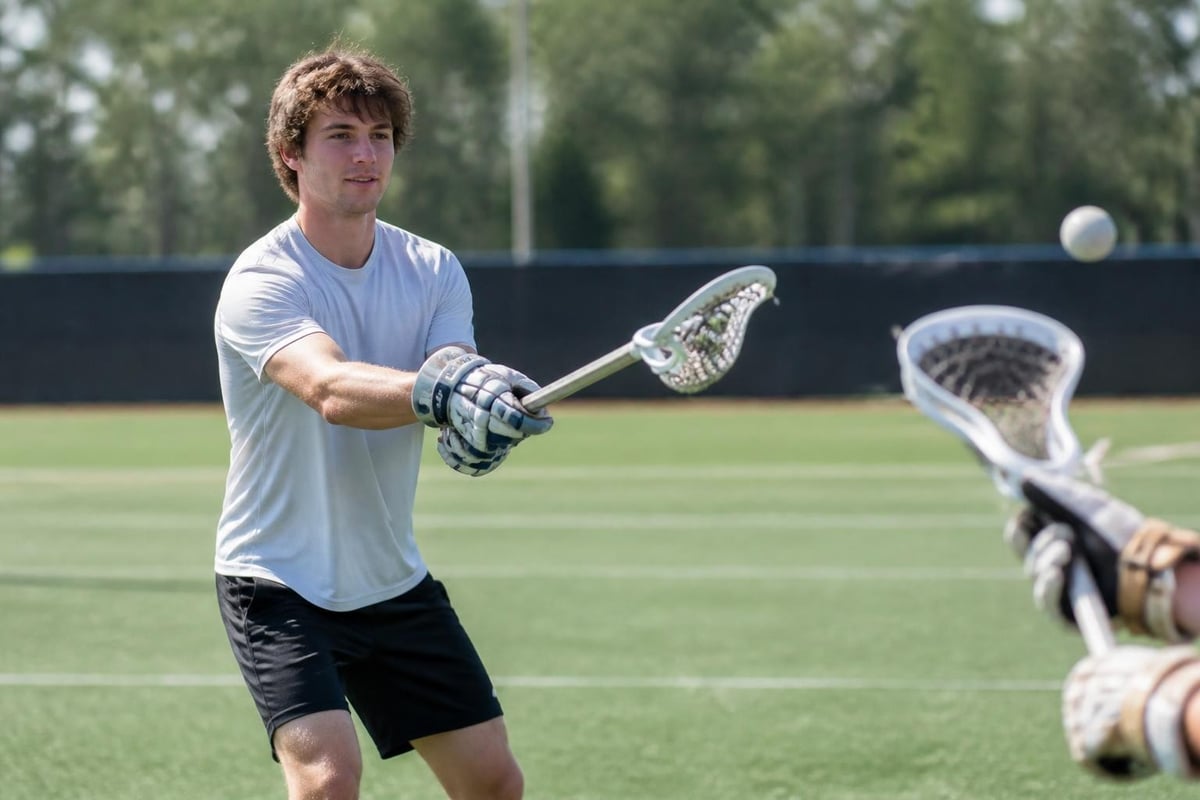
Advanced players incorporate movement patterns between throws and catches. Lateral shuffles, backpedaling, and sprint-and-catch sequences transform static rebounder work into dynamic, game-realistic training that improves conditioning alongside stick skills.
Advanced Drills and Training Protocols
Experienced players maximize rebounder lacrosse value through structured drill progressions that challenge multiple skills simultaneously. These advanced protocols separate elite athletes from recreational players by demanding precision under pressure.
Quick Stick Development
Quick stick proficiency requires split-second decision-making and flawless hand coordination. Rebounder training isolates this crucial skill by forcing players to catch and release in rapid succession.
The basic quick stick drill involves positioning 12-15 feet from the rebounder with a moderate angle setting. Throw, catch the return without cradling, and immediately redirect the ball back to the target. Successful execution requires proper hand positioning, stick head control, and precise timing.
Progressive variations include:
- Alternating hands - switch stick hand after each quick stick sequence
- Moving targets - aim for specific net sections with each throw
- Timed sets - complete maximum successful quick sticks within 60-second intervals
- Footwork integration - add defensive slides or offensive cuts between repetitions
Intense full-field lacrosse drills demonstrate how rebounders integrate into comprehensive training programs that develop complete player skill sets.
Ground Ball Mastery
Ground ball recovery often determines possession battles in competitive lacrosse. Rebounder training simulates these critical situations by returning balls at shallow angles that require proper scooping technique.
Set the rebounder to its lowest angle, approximately 20-30 degrees from horizontal. Throw firm passes that bounce before reaching the net, creating realistic ground ball scenarios. The return simulates contested possessions where proper form and aggressive approach determine success.
Key technique elements include lowering hips rather than bending at the waist, positioning the stick head perpendicular to the ground, and accelerating through the scoop to secure possession. Rebounder practice allows players to refine these mechanics through hundreds of repetitions per session.
Selecting the Right Equipment for Your Needs
Investment decisions require balancing budget constraints against training requirements and durability expectations. Rebounder lacrosse equipment varies significantly in construction quality, features, and price points.
Material Quality and Construction Standards
Frame materials determine both longevity and portability. Steel frames offer maximum durability and stability for permanent installations or high-volume use. They resist warping under extreme temperatures and maintain structural integrity through thousands of training sessions.
Aluminum construction reduces weight significantly, improving portability while sacrificing some durability. Quality aluminum rebounders still provide years of reliable service for individual players and small training groups.
Net composition affects ball response characteristics and weather resistance. Professional-grade netting maintains consistent tension across temperature fluctuations and resists UV degradation during outdoor storage. Guides on selecting the best lacrosse rebounders help players evaluate options based on their specific training environments and goals.
Budget Considerations and Value Assessment
| Price Category | Features | Durability | Best For |
|---|---|---|---|
| Under $150 | Basic frame, fixed angle | 1-2 seasons | Beginners, occasional use |
| $150-$350 | Adjustable angles, moderate frame | 3-5 seasons | Regular individual training |
| $350-$600 | Heavy-duty construction, weather-resistant | 5-10 years | Serious athletes, team use |
| $600+ | Professional-grade, multi-angle, accessories | 10+ years | Institutions, elite training |
Schools and sports organizations benefit from higher initial investments in professional equipment that withstands constant use across multiple teams and seasons. Individual players may find mid-range options provide adequate performance at accessible price points.
The Varsity Multi-Sport Rebounder exemplifies versatile training equipment suitable for lacrosse and multiple sports, maximizing value for multi-sport athletes and facilities with diverse programs.
Maintenance and Longevity Strategies
Proper equipment care extends rebounder lifespan and maintains consistent training performance. Regular maintenance prevents premature degradation and identifies issues before they impact practice effectiveness.
Routine Inspection and Adjustments
Implement weekly equipment checks during active training periods:
- Examine net tension across all sections, tightening loose areas to restore uniform response
- Inspect frame joints for loosening or stress cracks requiring repair
- Check anchoring systems to ensure stability during high-velocity throws
- Clean netting to remove debris that affects ball contact and rebound consistency
- Lubricate adjustment mechanisms preventing corrosion and ensuring smooth angle changes
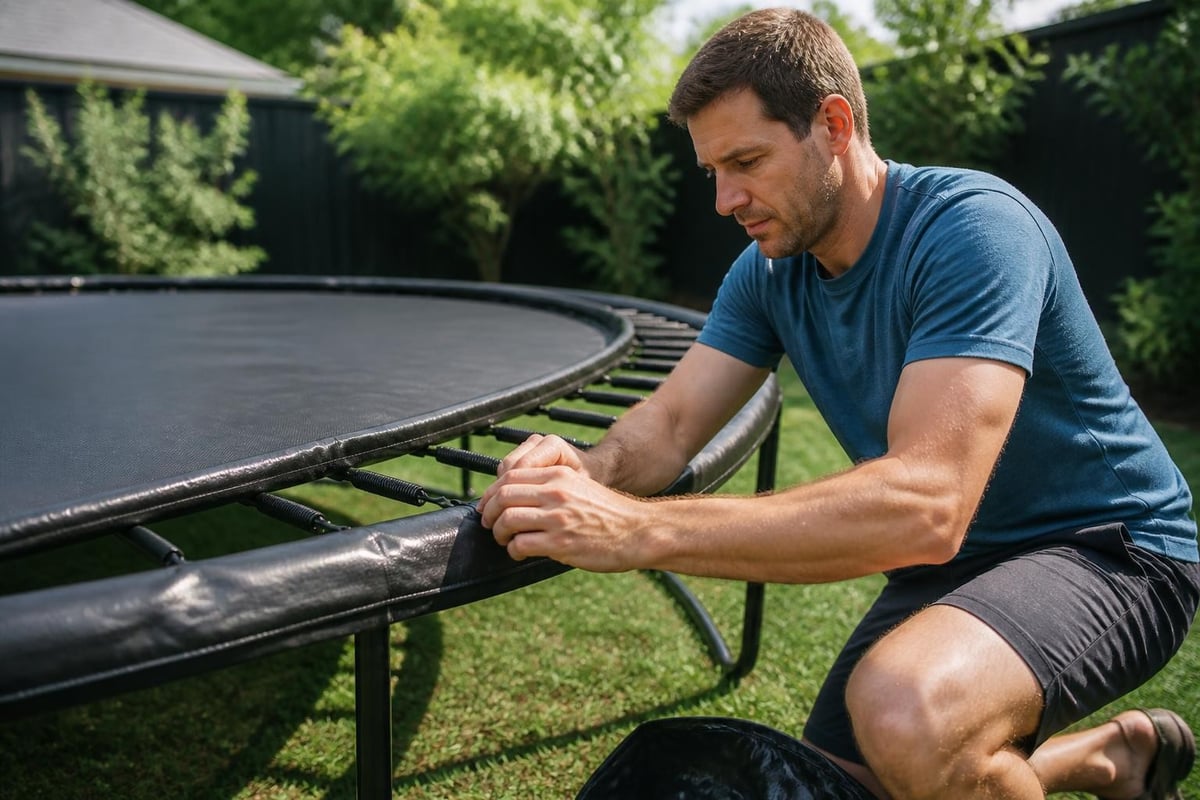
Seasonal deep maintenance includes complete disassembly for thorough cleaning, corrosion treatment on metal components, and replacement of worn netting or hardware. Athletes in coastal regions or humid climates should increase maintenance frequency to combat accelerated corrosion.
Storage and Weather Protection
Off-season storage significantly impacts equipment condition. Outdoor rebounders benefit from protective covers that shield against UV exposure, precipitation, and temperature extremes. Remove covers periodically during dry weather to prevent moisture accumulation and mildew formation.
Indoor storage represents the ideal solution when space permits. Disassemble portable units and store components in climate-controlled areas to eliminate weather-related degradation entirely.
Players in regions with harsh winters should disassemble equipment before freezing temperatures arrive. Ice formation within net weaves and frame joints accelerates material breakdown and creates safety hazards when training resumes.
Building Custom Solutions for Specific Needs
Budget-conscious players and DIY enthusiasts sometimes construct homemade rebounders tailored to specific training requirements. Building a DIY lacrosse rebounder provides detailed instructions for creating functional training equipment at reduced costs.
Materials and Construction Approaches
Custom rebounder projects typically utilize PVC piping or lumber for framing, combined with bungee cord nets or trampoline materials for rebound surfaces. Total material costs often remain under $100, though construction requires several hours and basic tool proficiency.
Advantages of DIY construction include:
- Complete customization for available space and specific training focus
- Significant cost savings compared to commercial equipment
- Modification flexibility as skills progress and needs evolve
- Educational value in understanding equipment mechanics and physics
Limitations and challenges involve inconsistent rebound characteristics, reduced durability compared to commercial products, and safety concerns if construction quality proves inadequate.
When to Choose Commercial vs. Custom
Serious competitive players generally benefit from commercial rebounder lacrosse equipment that provides consistent performance and durability guarantees. The reliability and standardized response characteristics support systematic skill development aligned with coaching instruction.
DIY solutions serve beginners exploring lacrosse fundamentals, players supplementing existing commercial equipment with specialized training angles, or athletes in remote locations where commercial options prove inaccessible.
Integration with Comprehensive Training Programs
Rebounder lacrosse practice represents one component within holistic player development strategies. Maximum effectiveness occurs when solo rebounder work complements team practices, strength training, and tactical instruction.
Balancing Solo and Team Training
Elite players dedicate 30-45 minutes to focused rebounder work three to four times weekly during off-season periods. This commitment builds stick skills and conditioning that accelerate performance during team sessions.
In-season training reduces rebounder frequency to twice weekly, preventing overtraining while maintaining skill sharpness. Sessions focus on specific weaknesses identified during game film review or coaching feedback.
Younger players (ages 8-12) benefit from shorter, more frequent sessions emphasizing fun and variety. Fifteen to twenty minute rebounder sessions five days weekly build fundamental skills without creating burnout or overuse injuries.
Tracking Progress and Setting Benchmarks
Measurable goals transform rebounder practice from casual throwing into purposeful training. Establish specific benchmarks aligned with competitive requirements:
- Accuracy standards - 80% success rate hitting designated target zones from 15 feet
- Volume targets - 200 successful catches per session with proper form
- Quick stick speed - Complete 40 catch-and-release sequences within 60 seconds
- Distance milestones - Maintain accuracy from 25+ feet with full power throws
Record training data in physical logs or mobile apps, tracking weekly progress toward established goals. Visual progress confirmation provides motivation during challenging developmental plateaus.
Teams and schools seeking to build comprehensive lacrosse programs can explore practice equipment options that combine rebounders with goals, training aids, and protective gear for complete practice facilities.
Year-Round Development Strategies
Rebounder lacrosse training eliminates seasonal limitations that restrict skill development in traditional team-only environments. Strategic year-round planning maximizes improvement while preventing burnout and overuse injuries.
Off-Season Foundation Building
Post-season periods (typically late summer through fall) provide opportunities for fundamental skill reconstruction. Athletes identify mechanical inefficiencies exposed during competitive play and dedicate focused rebounder sessions to technical corrections.
This phase emphasizes quality over quantity, with shorter sessions prioritizing perfect repetition mechanics. Video analysis comparing throw mechanics against elite player models guides adjustment priorities. Each rebounder session targets one or two specific technical elements rather than attempting comprehensive skill work.
Pre-Season Intensity Ramps
Winter months transition from technical refinement to performance conditioning. Rebounder sessions incorporate interval training, combining skill work with cardiovascular demands that simulate game intensity.
Example pre-season protocol:
- 5-minute warm-up - Easy throws focusing on form and rhythm
- 3x3-minute intervals - Maximum intensity quick sticks with 90-second active recovery
- 10 minutes - Distance throwing building arm strength and accuracy
- 5x1-minute sprints - Shuttle runs to rebounder with catch-and-throw on each approach
- 5-minute cooldown - Controlled throws with emphasis on proper mechanics
In-Season Maintenance and Sharpness
Competition periods require balanced training that maintains skills without adding excessive physical stress. Two focused rebounder sessions weekly preserve stick skills and provide individual practice opportunities between team commitments.
Sessions emphasize game-speed repetitions and situation-specific drills that reinforce tactical concepts from team practices. Position-specific work allows attackers to practice dodging movements with quick releases while defenders refine clearing passes and outlet throws.
Visual demonstrations of lacrosse rebounder drills help players learn proper techniques and understand how to structure effective solo training sessions throughout the competitive calendar.
Multi-Sport Applications and Cross-Training Benefits
While designed specifically for lacrosse, quality rebounders often serve multiple sports programs, increasing equipment value for schools and multi-sport athletes. The fundamental skills developed through rebounder work transfer across numerous athletic disciplines.
Versatility Across Sports Programs
Baseball and softball players use rebounders for fielding practice, reaction training, and throwing mechanics development. Pitchers particularly benefit from targeted repetition work that builds arm strength and release point consistency.
Soccer goalkeepers utilize rebounders for reflexes training, diving practice, and distribution skill development. The unpredictable returns simulate deflections and challenging save scenarios.
Hockey players adapt rebounder training for stick handling, passing accuracy, and quick reaction drills using appropriate pucks or balls for their specific training surfaces.
This versatility makes rebounder investments particularly attractive for schools with limited equipment budgets serving multiple sports programs. A single quality unit provides valuable training capacity across fall, winter, and spring seasons.
Neurological and Athletic Development
Beyond sport-specific skills, rebounder training develops general athletic capabilities applicable across all competitive pursuits:
- Hand-eye coordination improves through thousands of catch repetitions under varying conditions
- Reaction time decreases as neurological pathways strengthen through repetitive stimulus-response patterns
- Spatial awareness develops through tracking ball flight and positioning for optimal catches
- Motor pattern efficiency increases as muscle memory solidifies proper mechanical sequences
These foundational athletic qualities support performance improvements across an athlete's entire competitive career, regardless of primary sport focus or position specialization.
Rebounder lacrosse training delivers measurable skill improvements for athletes committed to consistent, focused practice beyond traditional team sessions. From fundamental catching and throwing to advanced quick stick proficiency, rebounders provide the repetition volume necessary for elite skill development. Whether you're equipping an individual player's backyard training area, outfitting a school's practice facility, or building a comprehensive athletic program, Sideline Sport Supply provides reliable, affordable training equipment designed for real-world performance and lasting value. Explore our selection of rebounders, practice goals, and essential training gear that help athletes maximize every practice opportunity.