

Pickleball Shop Essentials: Equipment & Gear Guide 2026
The explosion of pickleball across North America has created unprecedented demand for specialized equipment. According to market projections, the pickleball equipment market is expected to surge from $1.61 billion to $3.1 billion by 2032, reflecting the sport's remarkable trajectory. For athletic equipment retailers, schools, recreation departments, and sports organizations, understanding what a comprehensive pickleball shop should stock represents both an opportunity and a challenge. This guide examines the essential inventory, quality considerations, and strategic sourcing approaches that enable you to serve this growing market effectively.
Understanding the Pickleball Shop Landscape
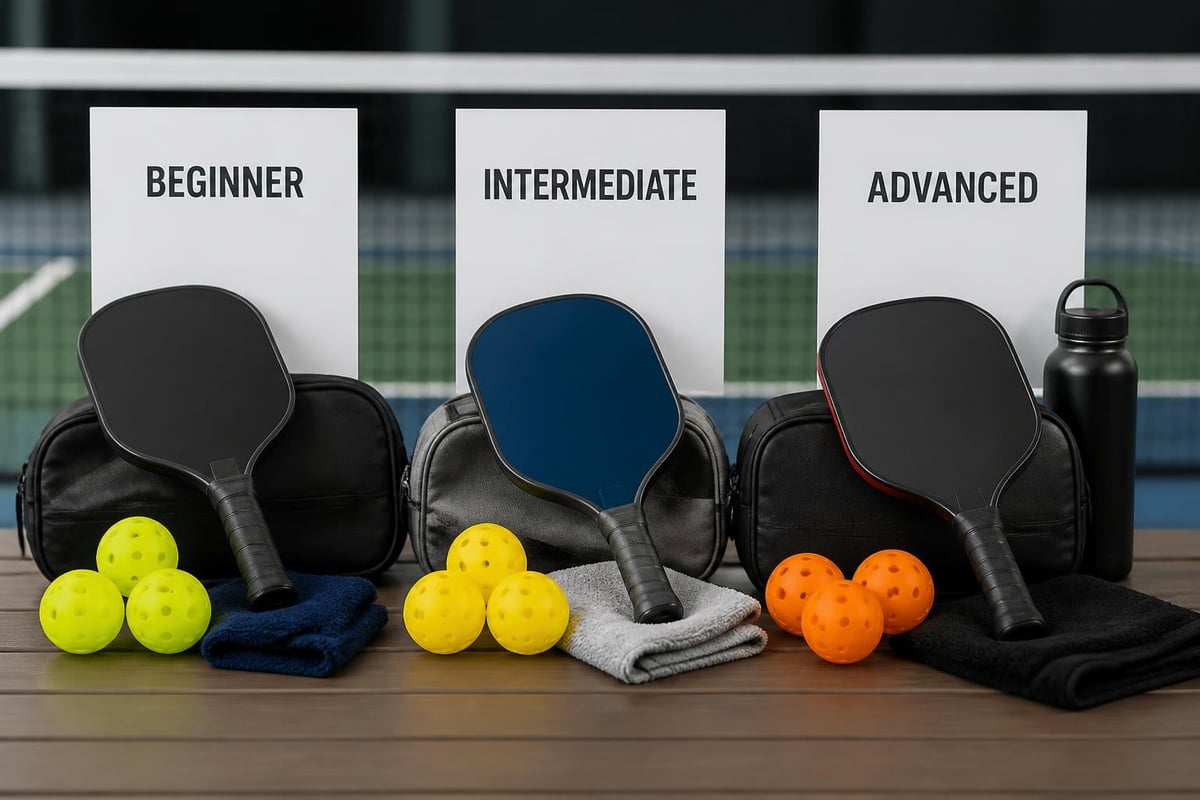
A well-equipped pickleball shop serves multiple customer segments simultaneously. Beginners need affordable starter equipment that helps them learn fundamentals without significant investment. Intermediate players seek performance upgrades that match their developing skills. Competitive athletes demand specialized gear that meets tournament standards and enhances their game.
Schools and recreation centers require durable, cost-effective equipment that withstands constant use across varying skill levels. Each segment presents distinct requirements for paddle weight, ball construction, net specifications, and accessory needs.
Core Product Categories Every Shop Needs
The foundation of any pickleball shop inventory consists of five primary categories:
- Paddles: Ranging from entry-level composite models to premium graphite and carbon fiber options
- Balls: Indoor and outdoor varieties with different hole patterns and durability ratings
- Nets: Portable systems for temporary courts and permanent installations for dedicated facilities
- Court Equipment: Boundary lines, court markers, and surface preparation tools
- Safety Gear: Protective eyewear, knee pads, and court shoes designed for lateral movement
Beyond these basics, successful shops expand into training aids, apparel, bag storage solutions, and maintenance supplies. The statistics show remarkable growth in equipment sales, with new manufacturers entering the market regularly to meet demand.
Paddle Selection: The Most Critical Inventory Decision
Paddles represent the highest-value items in your pickleball shop and the products customers scrutinize most carefully. Understanding paddle construction, materials, and performance characteristics enables you to guide buyers effectively.
Material Composition and Performance
| Material Type | Weight Range | Price Point | Best For |
|---|---|---|---|
| Composite | 7.5-8.5 oz | $40-$80 | Beginners, recreation programs |
| Graphite | 7.0-8.0 oz | $80-$150 | Intermediate players, control focus |
| Carbon Fiber | 7.2-8.2 oz | $120-$250 | Advanced players, power generation |
| Hybrid | 7.3-8.3 oz | $90-$180 | All-around performance |
Composite paddles offer excellent durability for high-traffic environments like schools and community centers. Their construction withstands impacts and maintains consistent performance even with heavy use. Graphite paddles provide superior touch and control, making them popular among players transitioning from tennis who value precision placement.
Carbon fiber represents the premium tier, delivering optimal power transfer and spin generation. For competitive programs and serious athletes, these paddles justify their higher cost through performance advantages. Hybrid constructions attempt to balance multiple characteristics, though they rarely excel in any single dimension.
Grip Size and Handle Length Considerations
Proper grip sizing prevents injury and enhances control. Stock paddles in small (4-4.25 inches), medium (4.25-4.5 inches), and large (4.5-4.75 inches) circumferences. Handle length varies from standard (5 inches) to elongated (5.5-6 inches), with longer handles favoring two-handed backhands and increased reach.
For organizational buyers, consider offering paddle sets that include multiple grip sizes. This approach accommodates diverse hand dimensions and allows facilities to serve broader populations without maintaining extensive individual inventory.
Ball Inventory: Indoor Versus Outdoor Performance
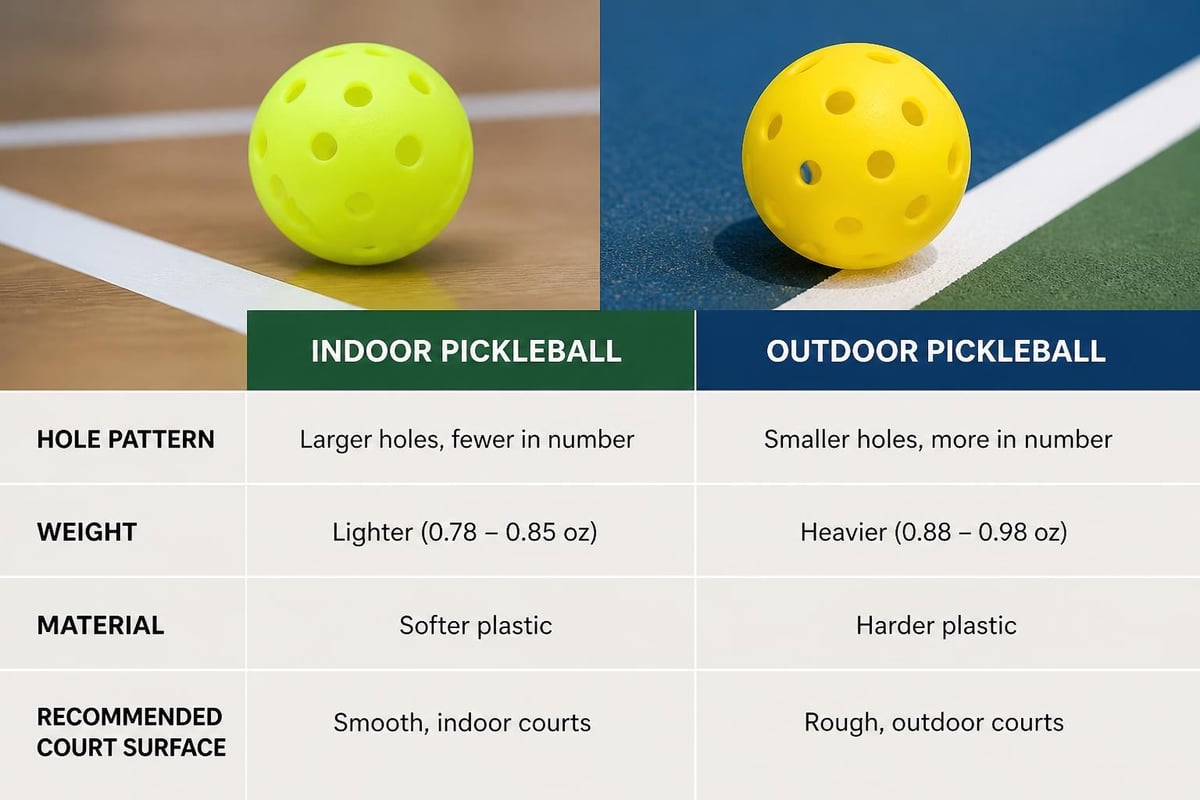
Ball selection significantly impacts game quality and customer satisfaction. The distinction between indoor and outdoor balls extends beyond simple durability considerations.
Outdoor balls feature 40 holes and heavier construction (typically 0.9 ounces) to withstand wind and rough court surfaces. Their harder plastic composition resists cracking during aggressive play on asphalt or concrete. Indoor balls use 26 larger holes and softer materials (0.8 ounces) that reduce bounce on gymnasium floors and provide better control in climate-controlled environments.
Quantity and Quality Balance
- Beginner programs: Stock economical multi-packs that absorb losses and damage
- Intermediate play: Mid-tier balls offering consistent bounce and reasonable longevity
- Tournament use: USA Pickleball approved balls meeting official specifications
- Practice sessions: Bulk quantities of durable balls that prioritize cost per hour of use
Schools and recreation departments typically consume balls at high rates. Offering volume pricing on practice-grade balls while maintaining premium options for competitive play serves budget-conscious organizations without compromising quality where it matters most.
Net Systems: Portable and Permanent Solutions
Your pickleball shop should address both temporary and permanent court installations. Portable net systems serve programs that share multi-use facilities, while permanent installations suit dedicated pickleball complexes.
Portable systems prioritize quick setup, stability, and transport convenience. Quality models feature:
- Weighted bases or ground stakes preventing tipping during play
- Telescoping posts enabling height adjustment (34 inches at ends, 36 inches at center)
- Durable netting with reinforced top tape
- Carrying cases facilitating storage and transport
Much like the portable volleyball systems used for multi-sport facilities, pickleball portables must withstand frequent assembly and disassembly while maintaining regulation specifications.
Permanent installations demand different considerations. Ground sleeves, powder-coated posts, and weather-resistant netting ensure years of outdoor performance. For facilities converting tennis courts, combination systems allowing both sports maximize space utilization and investment return.
Court Equipment and Accessories
Beyond paddles, balls, and nets, a comprehensive pickleball shop stocks items that enhance facility functionality and player experience.
Boundary and Line Solutions
Temporary court lines enable facilities to overlay pickleball courts on existing surfaces without permanent modifications. Options include:
- Adhesive vinyl strips for smooth indoor floors
- Weighted portable lines with non-slip backing
- Chalk or paint for outdoor asphalt surfaces
- Court stencils ensuring accurate dimensions
Similar to basketball court stencils that maintain regulation specifications, pickleball stencils help facilities create properly dimensioned courts (44 feet long by 20 feet wide).
Training and Practice Aids
| Product | Function | Primary Users |
|---|---|---|
| Ball machines | Consistent repetition, skill development | Coaches, serious players |
| Target nets | Accuracy training, placement practice | All skill levels |
| Rebounder walls | Solo practice, reaction training | Individual players |
| Court markers | Drill setup, positioning practice | Instructors, teams |
Training equipment transforms your pickleball shop from product supplier to performance partner. Much like multi-sport rebounders serve multiple athletic programs, versatile training aids justify investment through broad application.
Safety Equipment: An Essential Category
Recent reports highlight rising pickleball-related eye injuries, making protective gear increasingly important for responsible pickleball shop inventory. Safety eyewear designed specifically for racquet sports provides impact protection without compromising vision or comfort.
Beyond eye protection, stock:
- Court shoes: Non-marking soles with lateral support preventing ankle injuries
- Knee pads: Cushioning for diving and ground movements
- Wrist supports: Stabilization preventing repetitive stress injuries
- Sun protection: Hats, sunglasses, and UV-blocking apparel for outdoor play
Organizations managing recreational programs assume liability for participant safety. Offering comprehensive protective equipment demonstrates commitment to player welfare while addressing legitimate risk management concerns.
Sourcing Strategy for Athletic Equipment Retailers
Building a successful pickleball shop requires strategic vendor relationships and inventory management. The Lawn Tennis Association's equipment guide provides useful perspective on quality standards, though American retailers must ensure products meet USA Pickleball specifications for competitive play.
Vendor Diversification
Relying on single suppliers creates vulnerability to stock shortages and limits negotiating leverage. Establish relationships with multiple manufacturers across different product categories:
- Primary paddle suppliers offering volume discounts
- Ball manufacturers providing private-label options
- Net system specialists with installation support
- Accessory vendors consolidating small-item orders
This approach mirrors successful practices in other sports equipment categories. Just as athletic equipment suppliers maintain diverse product lines serving multiple sports, pickleball shops benefit from broad sourcing networks.
Quality Verification and Testing
Before committing to large inventory purchases, conduct thorough product testing. Evaluate paddles for:
- Weight accuracy within advertised specifications
- Handle security and finish quality
- Edge guard durability and attachment
- Surface texture consistency
Test balls for bounce consistency, durability under repeated impacts, and hole pattern uniformity. Verify net systems maintain proper height under tension and withstand weather exposure without degradation.
Pricing Strategies for Different Customer Segments
Your pickleball shop serves distinct buyer categories with different price sensitivities and purchase patterns. Schools and recreation departments prioritize budget efficiency and bulk pricing. Individual consumers balance quality against personal budgets. Competitive players invest in premium equipment that enhances performance.
Tiered Pricing Structure
Economy Tier:
- Composite paddles: $40-$60
- Practice balls (dozen): $15-$25
- Basic portable nets: $150-$250
Mid-Range Tier:
- Graphite paddles: $80-$120
- Tournament-grade balls (dozen): $30-$45
- Quality portable nets: $300-$450
Premium Tier:
- Carbon fiber paddles: $150-$250
- Professional balls (dozen): $50-$70
- Competition net systems: $500-$800
This structure accommodates different budgets while guiding customers toward appropriate quality levels for their use cases. Organizations making team sports equipment purchases appreciate clear tier distinctions that simplify procurement decisions.
Seasonal Considerations and Inventory Planning
Pickleball participation follows seasonal patterns that impact pickleball shop inventory requirements. Understanding these cycles enables optimal stock levels and cash flow management.
Spring represents peak demand as outdoor courts open and recreation programs launch. Maintain maximum inventory across all categories during March through May. Summer sustains activity but introduces price sensitivity as families manage vacation budgets. August through September sees program renewals and back-to-school purchases.
Winter shifts demand toward indoor equipment, with softer balls and portable nets for gymnasium use gaining prominence. This mirrors patterns in other sports where indoor equipment serves climate-controlled facilities during cold months.
Equipment for Youth Programs and Schools
Educational institutions represent substantial customers for pickleball shops. Physical education programs increasingly incorporate pickleball due to its accessibility and relatively low injury risk compared to contact sports.
Youth equipment specifications differ from adult gear:
- Lighter paddles (6.5-7.5 ounces) accommodate developing strength
- Smaller grip circumferences fit smaller hands
- Softer balls reduce impact concerns for younger players
- Lower net heights for elementary participants
When selling to schools, emphasize durability and volume pricing. Educational buyers prefer equipment sets that outfit entire classes simultaneously. Offering paddle packages of 16, 24, or 32 units with corresponding ball quantities and storage solutions addresses this preference directly.
Building Customer Relationships Beyond Transactions
Successful pickleball shops extend beyond product sales to become community resources. Hosting equipment demonstrations, offering try-before-you-buy programs, and providing expert fitting services differentiate your business from online competitors.
Consider organizing:
- Seasonal demo days featuring new paddle models
- Beginner clinics introducing proper equipment selection
- League nights building community around your shop
- Trade-in programs encouraging equipment upgrades
These initiatives parallel approaches used by specialty retailers in other sports. Just as baseball programs benefit from equipment expertise, pickleball players value knowledgeable guidance on gear selection.
Digital Presence and E-Commerce Integration
While physical pickleball shops maintain advantages in customer service and immediate availability, e-commerce capabilities expand market reach. Develop online resources that complement in-store experiences:
- Detailed product specifications and comparison tools
- Video demonstrations showing paddle characteristics
- Size guides ensuring proper fit for remote buyers
- Customer reviews providing social proof
Your website should function as both sales channel and information resource. Publishing educational content about equipment selection, maintenance tips, and skill development establishes authority while improving search visibility for your pickleball shop.
Maintenance Supplies and Replacement Parts
Complete pickleball shops address ongoing equipment care and repair needs. Stock items that extend product life and maintain performance:
- Grip tape replacements in various colors and thicknesses
- Paddle edge guard repair kits
- Net replacement parts (center straps, boundary tape)
- Cleaning solutions safe for paddle surfaces
- Storage bags protecting equipment during transport
These consumables generate recurring revenue while supporting customer satisfaction. Organizations managing large equipment inventories appreciate consolidated sourcing for both primary gear and maintenance supplies through a single reliable vendor.
Quality Indicators and Product Certifications
USA Pickleball approval indicates equipment meets official tournament standards. While recreational players may not require certified gear, stocking approved options serves competitive customers and tournament organizers.
Beyond official certifications, evaluate quality through:
- Manufacturer warranties (1-2 years typical for paddles)
- Customer review patterns and ratings
- Material sourcing and construction methods
- Brand reputation and longevity in the market
The projected market growth to $1,848.1 million by 2032 attracts new manufacturers, some offering substandard products that damage customer trust. Established pickleball shops build reputations through consistent quality curation.
Return Policies and Customer Satisfaction
Equipment purchases involve subjective preferences regarding weight, grip feel, and performance characteristics. Generous return policies reduce purchase anxiety, particularly for higher-priced paddles where customers invest significantly.
Consider implementing:
- 30-day trial periods for unused paddles
- Exchange programs for grip size adjustments
- Satisfaction guarantees on balls and nets
- Store credit for returns enabling upgrade paths
These policies cost less than acquiring replacement customers and differentiate your pickleball shop from competitors with restrictive return terms. Clear communication about trial conditions prevents abuse while supporting legitimate exchanges.
Building a comprehensive pickleball shop requires understanding diverse customer needs, maintaining quality inventory across multiple categories, and providing expertise that guides proper equipment selection. As the sport continues its remarkable growth trajectory, organizations and retailers positioned to serve this expanding market will find substantial opportunities. Whether you're outfitting school programs, recreation departments, or individual athletes, Sideline Sport Supply delivers the reliable equipment, straightforward pricing, and fast fulfillment that lets you focus on what matters most: getting players on the court and keeping them there.