

Essential Guide to Fencing Sport Equipment (2026)
Fencing stands as one of the most strategic and technically demanding combat sports in the modern athletic landscape. For schools, coaches, and sports organizations looking to establish or expand their fencing programs, understanding the complete range of fencing sport equipment is essential. This comprehensive guide explores the weapons, protective gear, and essential accessories that athletes need to train safely and compete effectively, helping organizations make informed purchasing decisions that balance quality, safety, and budget considerations.
The Three Fencing Weapons and Their Equipment Requirements
Understanding the distinctions between fencing weapons forms the foundation of any equipment purchasing decision. Each weapon type requires specific gear that reflects its unique characteristics and competitive rules.
Foil Equipment Specifications
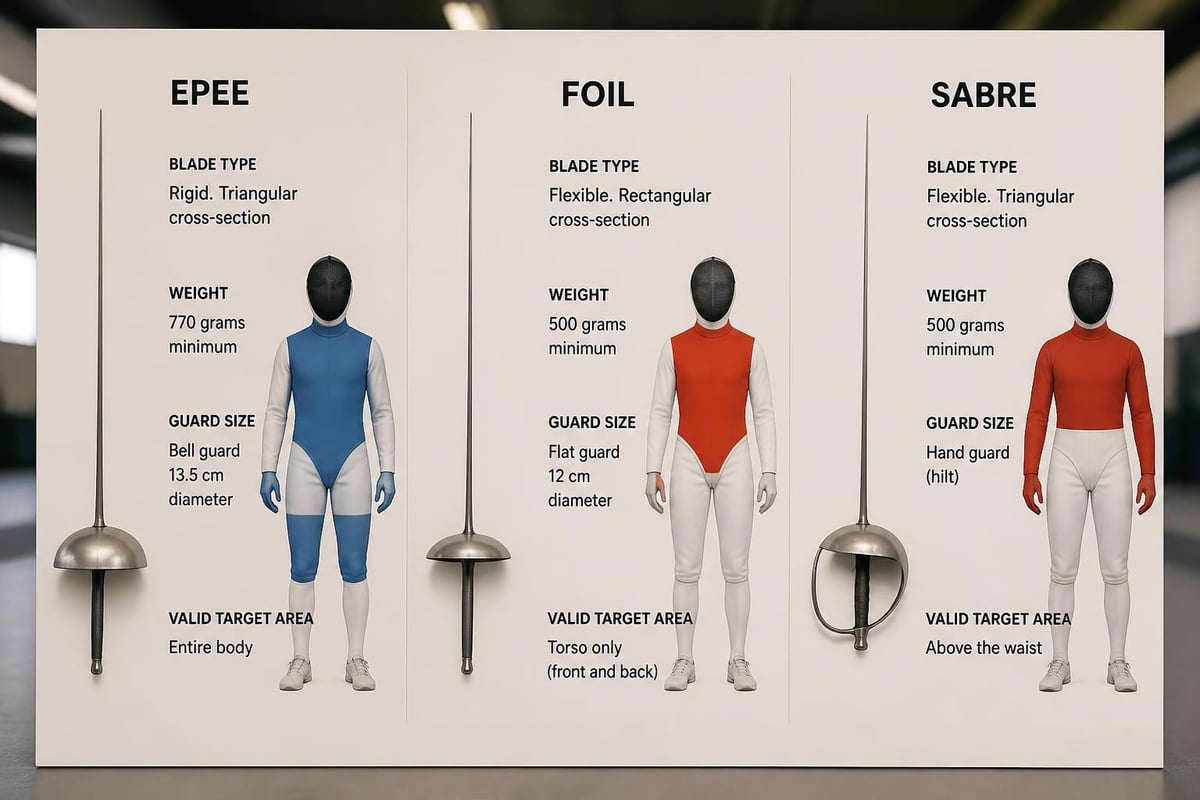
The foil represents the lightest and most flexible weapon in fencing, designed for precision point work. This weapon demands specific equipment considerations:
- Maximum weight of 500 grams
- Flexible rectangular blade measuring 90 centimeters
- Electric point mechanism for electronic scoring
- Specialized body cords compatible with foil systems
- Lamé (metallic vest) for valid target area designation
Foil fencing restricts valid target areas to the torso, excluding arms and head. This necessitates specific protective equipment that accommodates the metallic scoring vest while providing adequate protection. The electric foil system requires regular maintenance and testing equipment, adding to the overall investment for programs introducing this weapon.
Épée Equipment Components
The épée differs substantially from the foil in both design and equipment requirements. As the heaviest of the three weapons, the épée features a stiffer blade and larger guard, influencing protective gear choices.
Key épée specifications include:
- Maximum weight of 770 grams
- Triangular blade with reduced flexibility
- Electric point with larger activation area
- Guard diameter of 13.5 centimeters
- Body cord with two-prong connection
The entire body serves as valid target area in épée competition, eliminating the need for lamé vests but requiring comprehensive protective coverage. This makes épée equipment slightly more economical for programs, though the heavier weapons may require more frequent replacement due to blade stress.
Sabre System Requirements
Sabre fencing introduces cutting actions alongside point work, creating unique equipment demands. The weapon and protective gear must accommodate both slashing and thrusting techniques.
| Equipment Component | Sabre Specification | Purpose |
|---|---|---|
| Blade Type | Flat, flexible | Enables cutting actions |
| Maximum Weight | 500 grams | Maintains speed and control |
| Guard Shape | Knuckle guard | Protects hand from cuts |
| Lamé Coverage | Torso and arms | Defines valid target area |
| Mask Type | Conductive bib | Registers head touches |
Sabre equipment costs typically exceed foil and épée due to the additional conductive materials required for scoring. Programs must budget for specialized sabre lamés, conductive masks, and gloves designed to handle the weapon's cutting motions.
Essential Protective Gear for Fencing Programs
Safety remains paramount in fencing programs, making protective equipment the most critical investment for any organization. Modern fencing equipment has evolved significantly to provide maximum protection while maintaining mobility.
Mask Selection and Standards
The fencing mask protects the head, face, and throat from high-velocity blade contact. Organizations must ensure masks meet current safety certifications:
- FIE 1600 Newton rating for competitive use
- 800 Newton rating for practice equipment
- Mesh density preventing blade penetration
- Secure bib attachment protecting the throat
- Proper sizing to prevent gap exposure
Quality masks feature removable, washable linings and adjustable back straps to accommodate multiple users. Schools and clubs benefit from investing in standardized mask sizes to streamline equipment management and replacement.
Jacket and Knickers Protection
Fencing jackets and knickers form the primary body protection system. These garments must withstand repeated blade impacts while allowing unrestricted movement:
Jacket requirements:
- 800 Newton puncture resistance minimum
- Underarm protection on weapon-arm side
- Secure closure preventing gaps
- Overlap design covering knickers waistband
- Washable materials for hygiene maintenance
Knickers specifications:
- Knee-length coverage
- Elastic or Velcro cuff closure
- Reinforced seat and knees
- Compatibility with long socks
- Size range accommodating youth through adult
Organizations serving multiple athletes benefit from maintaining various sizes and implementing proper sizing protocols. Unlike specialized sports equipment requiring precise measurements, fencing protective gear offers some flexibility in fit while maintaining safety standards.
Gloves and Footwear Considerations
Fencing gloves protect the weapon hand while maintaining grip sensitivity. The glove must extend under the jacket sleeve, creating a complete protective barrier. Modern designs incorporate:
- Padded cuff extending to mid-forearm
- Gauntlet style preventing blade penetration
- Durable palm materials for weapon control
- Size-specific options for optimal fit
- Conductive materials for sabre (weapon-hand glove)
Footwear in fencing prioritizes stability, traction, and lateral support. Specialized fencing shoes feature reinforced toe areas, cushioned heels for lunging impact, and flat soles for optimal floor contact. While dedicated fencing shoes optimize performance, programs can initially utilize cross-training shoes before investing in sport-specific footwear.
Electronic Scoring Systems and Training Equipment
Modern competitive fencing relies heavily on electronic scoring equipment that registers valid touches instantaneously. Understanding these systems helps organizations budget appropriately for competitive programs.
Scoring Machine Components
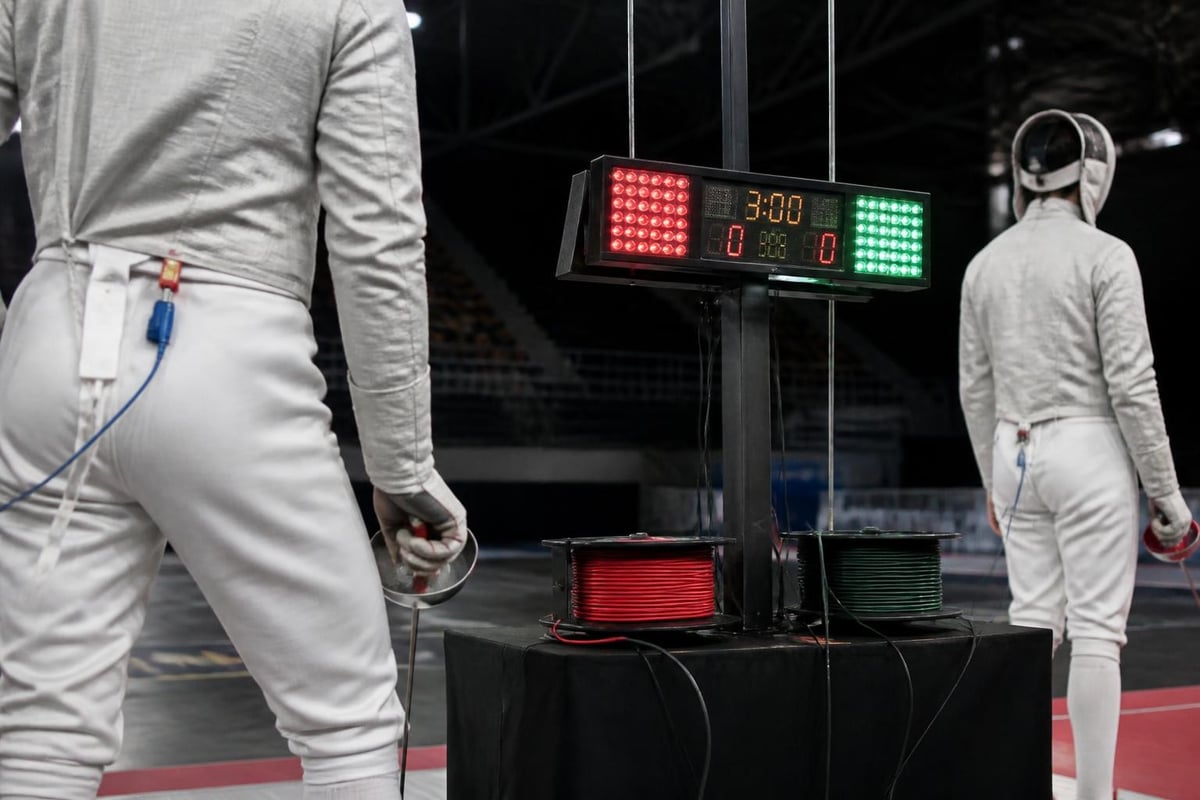
Complete electronic scoring systems include multiple components working together:
- Main scoring box with visual and audible indicators
- Retractable cable reels for each fencer
- Body cords connecting weapon to reel
- Floor strips (metallic surface for foil/sabre)
- Wireless options for portable setups
Investing in quality scoring equipment ensures reliable operation during competitions and reduces costly repairs. Organizations hosting tournaments require multiple systems, backup equipment, and trained personnel for setup and troubleshooting.
Testing and Maintenance Tools
Electronic fencing sport equipment requires regular testing and maintenance. Essential tools include:
- Weapon testers verifying point functionality
- Lamé testers checking vest conductivity
- Ohm meters measuring electrical resistance
- Blade straighteners maintaining weapon geometry
- Tip screws and springs for repairs
Establishing a maintenance schedule extends equipment lifespan and ensures competitive readiness. Programs should designate staff or experienced fencers to conduct pre-practice equipment checks and perform basic repairs.
Equipment for Training and Skill Development
Beyond competitive gear, effective fencing programs require training equipment that builds fundamental skills and physical conditioning. These items support athlete development from beginner through advanced levels.
Practice Weapons and Training Aids
Practice weapons differ from competition equipment in several ways. Training foils, épées, and sabre weapons often feature:
- Non-electric construction reducing costs
- Durable practice tips withstanding repeated impact
- Visible colored grip tape for weapon identification
- Standard weight and balance mimicking electric weapons
- Simplified maintenance requirements
Target systems enhance training effectiveness. Options include:
Wall-mounted targets for point accuracy development Handheld paddles for coach-directed drills Free-standing mannequins for footwork integration Electronic training targets providing feedback
Organizations benefit from maintaining both electric and dry (non-electric) weapons. Dry weapons reduce equipment costs for beginners while electric weapons prepare athletes for competitive environments. Similar to how quality training equipment supports skill development across sports, appropriate fencing training gear accelerates athlete progress.
Conditioning and Agility Equipment
Fencing demands exceptional footwork, explosive power, and sustained cardiovascular fitness. Supplemental training equipment includes:
| Equipment Type | Training Purpose | Program Benefits |
|---|---|---|
| Agility ladders | Footwork speed and precision | Improves lunge mechanics |
| Resistance bands | Weapon arm strength | Develops point control |
| Balance boards | Stability training | Enhances defensive positions |
| Jump ropes | Cardiovascular conditioning | Builds match endurance |
| Footwork markers | Distance management | Teaches strategic positioning |
Integrating conditioning equipment into fencing programs develops well-rounded athletes while preventing overuse injuries from repetitive fencing movements. Cross-training components add variety to practice sessions and maintain athlete engagement.
Selecting Equipment for Different Program Levels
Equipment needs vary significantly based on program goals, participant age, and competitive aspirations. Organizations must align purchasing decisions with their specific context and budget constraints.
Youth and Beginner Programs
Starting a youth fencing program requires balancing safety, cost, and proper sizing. Key considerations include:
- Size 0-2 weapons and protective gear for children
- Adjustable equipment accommodating growth
- Dry weapons for initial skill development
- Group sets optimizing cost per participant
- Durable construction withstanding learning curve
Beginner programs benefit from standardized equipment that simplifies management and allows athletes to focus on fundamental techniques. As participants demonstrate commitment and progress, organizations can introduce electric equipment and personal gear purchases.
School and Recreational Competition
School-based fencing programs serving intermediate athletes require equipment meeting organized sport standards while managing budget constraints. These programs typically need:
Team equipment inventory:
- 15-20 complete protective gear sets per weapon
- Mix of electric and practice weapons
- 2-3 scoring machine systems
- Testing and repair tools
- Transport cases for away competitions
Schools often partner with families to purchase personal protective gear, reducing institutional equipment costs while ensuring proper fit. This hybrid approach balances accessibility with individual responsibility.
Elite and Collegiate Programs
Advanced programs supporting competitive athletes demand premium equipment meeting international standards. Investment priorities include:
- FIE-certified protective gear for all participants
- Multiple electric weapons per fencer for redundancy
- Professional-grade scoring systems with wireless capability
- Video analysis equipment for technique review
- Specialized training technology
Elite programs also maintain larger equipment inventories to support intensive training schedules and minimize downtime from equipment failures. These organizations often establish relationships with equipment manufacturers for volume pricing and technical support.
Procurement Strategies for Organizations
Strategic equipment purchasing maximizes program value while ensuring athlete safety and competitive readiness. Organizations should consider multiple factors when sourcing fencing sport equipment.
Vendor Selection Criteria
Choosing reliable equipment suppliers impacts program success through product quality, pricing, and support services. Evaluation criteria include:
- Product range covering all equipment categories
- Quality certifications meeting safety standards
- Volume pricing for team purchases
- Warranty coverage protecting investment
- Technical support assisting with equipment issues
- Delivery timelines meeting program schedules
Working with established athletic equipment suppliers who understand organizational needs streamlines procurement and provides ongoing support. Organizations benefit from building relationships with vendors who offer educational resources and stay current with equipment regulations.
Budget Planning and Lifecycle Management
Fencing equipment represents a significant multi-year investment requiring strategic financial planning:
- Initial startup costs for complete program equipment
- Annual replacement of worn protective gear
- Weapon maintenance including blade and tip replacement
- Electronic system upgrades and repairs
- Expansion purchases as program grows
| Budget Category | Percentage of Total | Replacement Cycle |
|---|---|---|
| Protective Gear | 40-45% | 2-3 years |
| Weapons | 25-30% | 1-2 years (blades) |
| Electronic Systems | 20-25% | 5-7 years |
| Training Equipment | 5-10% | 3-5 years |
Establishing equipment reserves in annual budgets prevents program disruption when unexpected replacements become necessary. Organizations can reduce costs by implementing proper maintenance protocols, training athletes in equipment care, and purchasing quality products with extended lifespans.
Group Purchasing and Partnerships
Schools and clubs within geographic regions can leverage collective purchasing power to reduce equipment costs. Cooperative strategies include:
- Regional consortiums combining orders for volume discounts
- Shared equipment for specialized training tools
- Bulk purchasing of consumables like tips and body cords
- Equipment exchanges passing outgrown gear to younger programs
These partnerships also facilitate equipment standardization, simplifying inter-program competitions and training exchanges. Organizations maintain individual equipment ownership while benefiting from collective purchasing advantages.
Compliance and Safety Standards
Understanding equipment regulations ensures program compliance with governing bodies while protecting participants from preventable injuries. Fencing equipment standards evolve periodically, requiring organizations to stay informed.
Certification Requirements
Multiple organizations establish equipment standards for fencing sport equipment:
- FIE (International Fencing Federation) sets international competition standards
- USA Fencing establishes national program requirements
- NFHS (National Federation of State High School Associations) governs scholastic competition
- NCAA regulates collegiate fencing equipment
Each governing body publishes equipment specifications covering puncture resistance, weapon dimensions, and scoring system functionality. Programs must align equipment purchases with applicable regulations for their competitive level.
Inspection and Replacement Protocols
Regular equipment inspection prevents accidents and ensures competitive compliance. Organizations should establish:
Daily pre-practice checks:
- Mask mesh integrity and bib attachment
- Jacket and knickers for holes or worn areas
- Weapon blade straightness and tip function
- Glove condition and coverage
- Body cord continuity
Monthly detailed inspections:
- Puncture resistance testing of protective gear
- Electronic scoring system calibration
- Weapon weight and dimension verification
- Lamé conductivity assessment
- Safety equipment date code review
Implementing clear replacement criteria based on inspection results maintains program safety standards. Equipment showing signs of failure should be immediately removed from service, even if scheduled replacement dates haven't arrived.
Accessory Equipment and Support Items
Complete fencing programs require various accessory items supporting training effectiveness, equipment maintenance, and organizational efficiency. These often-overlooked components enhance program operations.
Storage and Transport Solutions
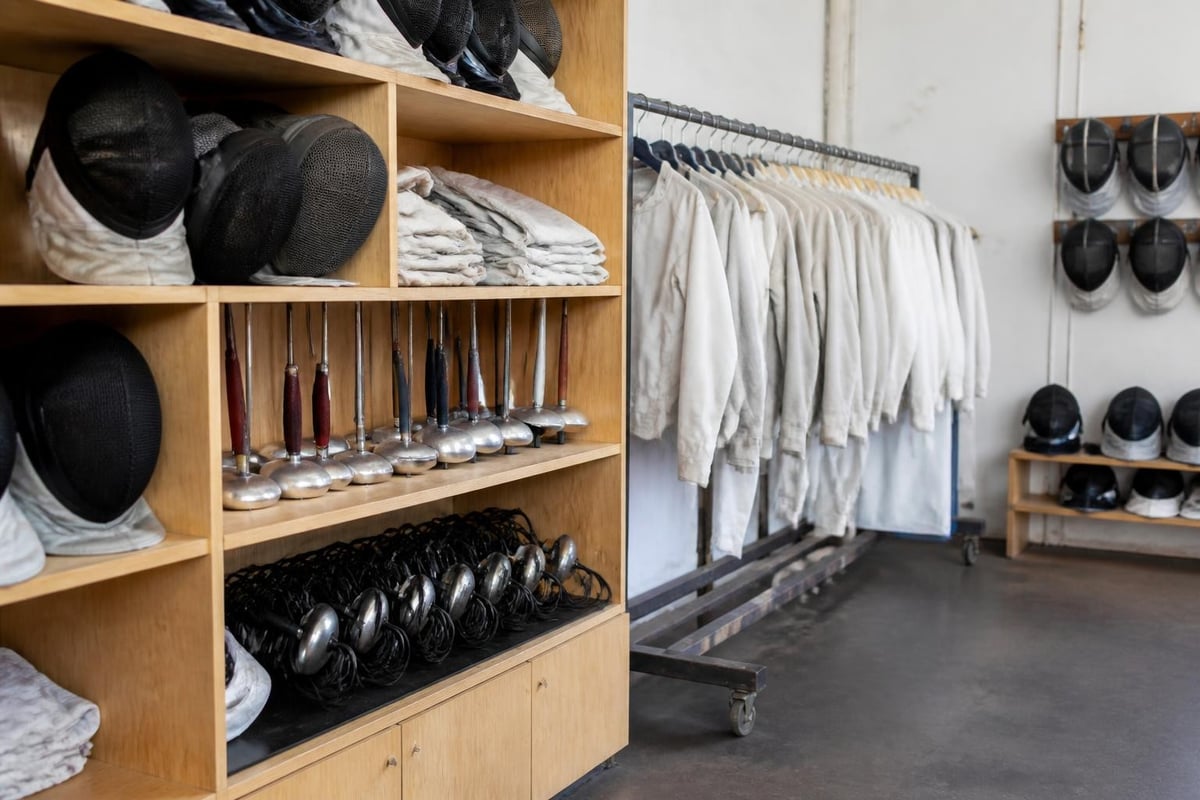
Proper equipment storage extends lifespan and maintains organization. Essential storage items include:
- Weapon racks organizing blades safely
- Mask storage preventing deformation
- Gear bags for individual athlete equipment
- Team equipment carts transporting to venues
- Lockable cabinets securing valuable electronics
Organizations benefit from dedicated fencing storage areas protecting equipment from environmental damage and unauthorized access. Similar to how sports programs organize field equipment, fencing programs require systematic storage solutions.
Hygiene and Maintenance Supplies
Maintaining equipment cleanliness prevents odor buildup and extends usable life:
- Antibacterial spray for protective gear interiors
- Mask mesh cleaners removing accumulated debris
- Jacket and knickers washing procedures
- Glove deodorizers and drying protocols
- Weapon cleaning cloths and rust prevention
Establishing hygiene protocols also reduces illness transmission, particularly important when equipment is shared among multiple athletes. Organizations should educate participants about proper equipment care and provide necessary maintenance supplies.
Competition and Event Supplies
Programs hosting tournaments or participating in away competitions require additional support equipment:
- Scoring cables and backup systems
- Director/referee equipment including cards and timers
- Medical supplies for minor injuries
- Bout committee materials for tournament administration
- Spectator information explaining scoring and rules
Event-ready programs maintain dedicated competition kits that remain separate from daily training equipment, ensuring availability when needed without disrupting regular practice operations.
Future Trends in Fencing Equipment Technology
Fencing sport equipment continues evolving through technological innovation and material science advances. Organizations planning long-term investments should consider emerging trends shaping the sport.
Digital Integration and Analysis
Modern fencing increasingly incorporates technology for training enhancement and performance analysis:
- Wireless scoring systems eliminating floor cord limitations
- Sensor-equipped weapons tracking blade movement patterns
- Video integration with scoring for instant replay
- Wearable technology monitoring athlete movement and fatigue
- Mobile applications managing equipment inventory and maintenance
These technologies provide coaches with unprecedented insight into athlete performance while streamlining administrative tasks. While representing additional investment, digital tools offer competitive advantages for programs embracing innovation.
Material Science Improvements
Ongoing research produces equipment materials offering enhanced protection, durability, and performance:
New protective materials exceeding current safety standards with reduced weight Advanced blade alloys providing improved flexibility and strength ratios Moisture-wicking fabrics in protective gear enhancing comfort Sustainable materials reducing environmental impact Antimicrobial treatments built into protective equipment
Organizations should monitor equipment manufacturer announcements for breakthrough products offering performance or safety advantages. Early adoption of proven technologies can differentiate programs and attract serious athletes.
Equipping a successful fencing program requires understanding the complete ecosystem of weapons, protective gear, electronic systems, and support equipment necessary for safe, effective training and competition. Organizations that invest strategically in quality fencing sport equipment while implementing proper maintenance and replacement protocols create environments where athletes can develop skills confidently and compete at their highest level. Whether you're launching a new program or upgrading existing equipment, Sideline Sport Supply delivers the reliable, affordable athletic equipment and straightforward support that schools, coaches, and sports organizations need to focus on athlete development rather than equipment concerns.