

Batting Cages and Pitching Machines: Complete Guide
Training facilities, schools, and sports organizations face a constant challenge: providing consistent, high-quality practice opportunities that develop player skills efficiently. Batting cages and pitching machines have become essential training tools that address this need by delivering repeatable, controlled practice environments for baseball and softball athletes at every competitive level. These systems transform how coaches structure training sessions, maximize repetition quality, and build fundamental hitting mechanics without requiring live pitching for every swing. Understanding the specifications, benefits, and practical considerations of these tools helps athletic directors, coaches, and facility managers make informed investment decisions that enhance player development programs.
Understanding Modern Batting Cage Systems
Batting cage infrastructure varies significantly based on facility type, budget constraints, and usage patterns. Permanent installations typically feature steel-frame construction with high-density polyethylene (HDPE) netting designed to withstand thousands of impacts annually.
Structural Components and Design Standards
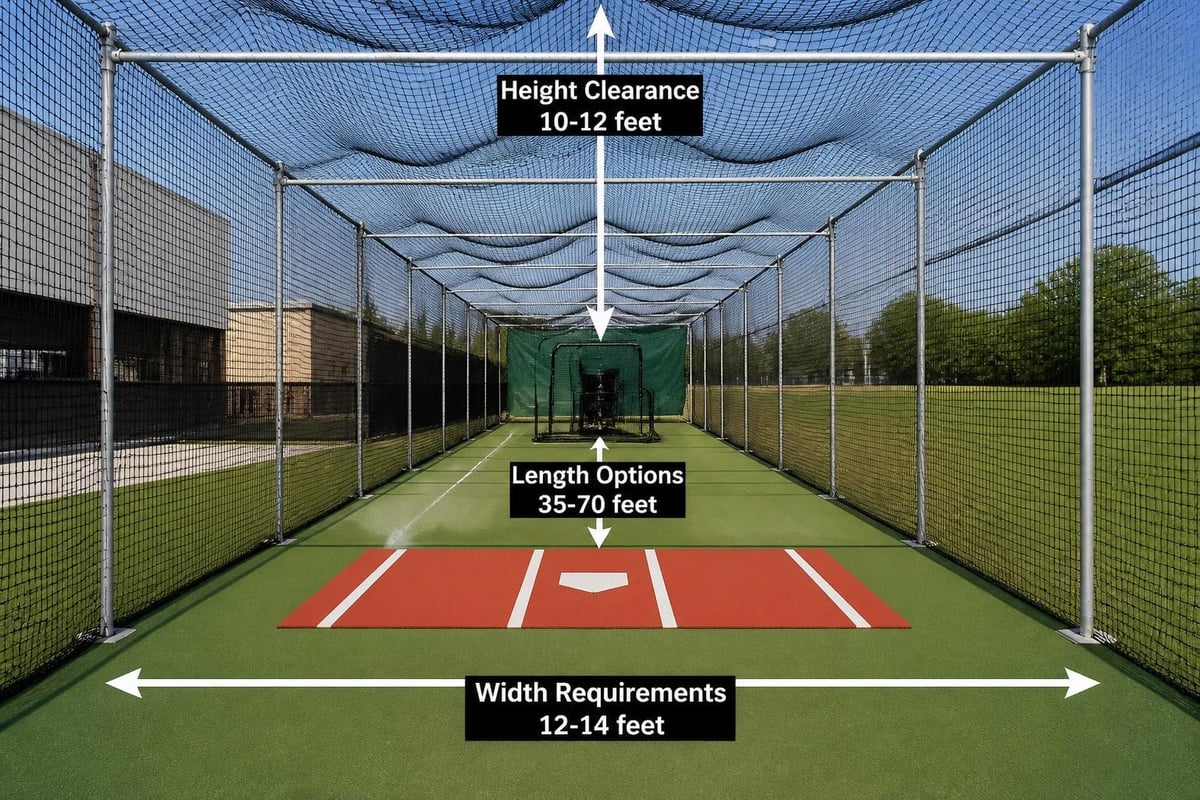
The foundation of any effective batting cage begins with proper dimensional planning. Standard cage lengths range from 35 to 70 feet, with widths between 12 and 14 feet and heights reaching 10 to 12 feet for optimal ball containment. Municipal procurement specifications provide detailed guidance on materials, installation methods, and safety requirements that inform professional-grade installations.
Key structural elements include:
- Galvanized steel tubing (typically 1.5 to 2 inches in diameter)
- UV-resistant netting with tensile strength ratings of 200+ pounds
- Ground anchoring systems rated for wind loads and lateral forces
- Cable tensioning hardware to maintain net integrity over time
Frame spacing matters significantly for durability and safety. Support posts positioned every 10 to 12 feet provide adequate structural integrity while minimizing material costs.
Indoor vs. Outdoor Installation Considerations
Climate, available space, and seasonal usage patterns determine whether indoor or outdoor batting cages and pitching machines make sense for your facility. Indoor installations offer year-round availability but require ceiling height clearances of at least 12 feet and adequate floor protection from repeated ball impacts.
Outdoor systems need weather-resistant components and often benefit from modular designs that allow seasonal removal in harsh climates. Netting deterioration from UV exposure remains a primary maintenance concern, with quality HDPE materials typically lasting three to five years before replacement becomes necessary.
| Installation Type | Advantages | Challenges | Typical Lifespan |
|---|---|---|---|
| Indoor Permanent | Year-round use, climate control, no weather damage | Higher initial cost, space limitations, ventilation needs | 10-15 years (frame) |
| Outdoor Fixed | Lower installation cost, larger dimensions possible | Weather exposure, seasonal limitations, UV degradation | 5-8 years (netting) |
| Portable/Modular | Flexibility, seasonal storage, multi-use spaces | Frequent setup/takedown, lower durability | 3-5 years |
Pitching Machine Technologies and Classifications
Modern pitching machines have evolved far beyond simple spring-loaded designs. Today's systems use sophisticated mechanisms to replicate pitch characteristics that challenge hitters at every skill level.
Mechanical Operating Systems
Wheel-based machines dominate the training market due to their versatility and reliability. Single-wheel models deliver fastballs effectively but lack breaking pitch capabilities. Two-wheel configurations allow for spin variation, creating curveballs, sliders, and other movement patterns essential for advanced training.
Arm-action machines use a rotating mechanical arm that mimics human pitching motion more closely than wheel systems. These units help batters develop timing against realistic delivery patterns but typically cost more and require additional maintenance.
Pneumatic systems compress air to launch balls at high velocities with excellent consistency. Commercial facilities often choose pneumatic models for their durability under heavy-use conditions, though they require access to compressed air sources.
Speed Ranges and Skill-Level Matching
Selecting appropriate velocity capabilities ensures batting cages and pitching machines serve athletes across your program's competitive spectrum.
- Youth Development (ages 7-12): 25-55 mph range
- Middle School (ages 12-14): 40-65 mph range
- High School (ages 14-18): 50-85 mph range
- College/Adult (ages 18+): 60-95+ mph range
Variable speed control allows a single machine to accommodate multiple age groups, maximizing equipment utilization and ROI. Digital displays and preset speed settings improve session efficiency by eliminating manual adjustment delays between batters.
Safety Standards and Protective Requirements
Player safety within batting cage environments demands attention to protective equipment, facility design, and operational protocols. NOCSAE performance standards establish baseline requirements for helmets and protective gear used during cage sessions.
Essential Protective Equipment
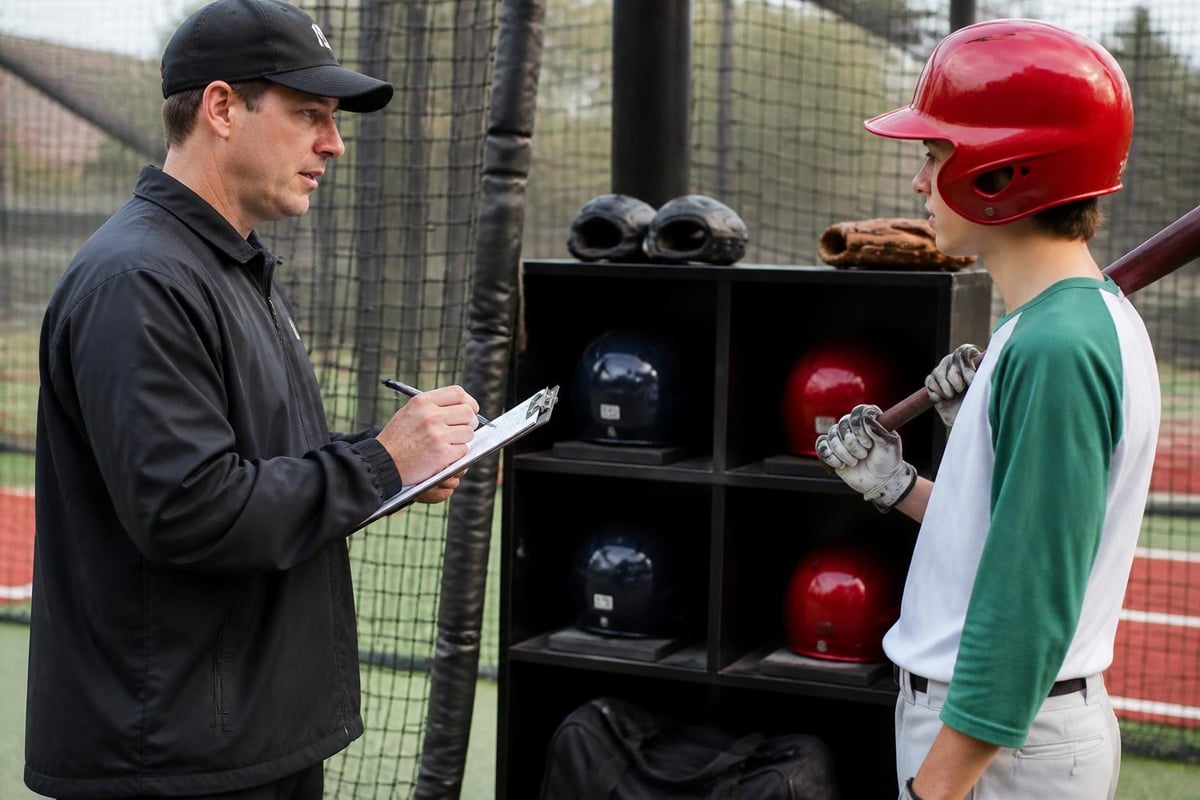
Batting helmets remain mandatory for all cage users regardless of age or skill level. Helmets should meet current NOCSAE certification standards and receive regular inspection for cracks, worn padding, or compromised structural integrity.
Additional protective gear considerations include:
- C-flap or jaw guards for facial protection
- Chest protectors for younger athletes or specific drill work
- Leg guards when working on inside pitch recognition
- Protective screens for coaches or operators within cage areas
Operational Safety Protocols
Standard operating procedures prevent injuries and establish accountability. NFHS guidance on facility use provides frameworks applicable to school and recreational programs implementing batting cage policies.
Minimum safety protocols include:
- Designated operators trained in machine setup and emergency shutdown
- Clear communication systems before pitch delivery begins
- Restricted access zones preventing non-participants from entering active cages
- Regular equipment inspection schedules documented in facility logs
- Posted rules visible to all participants before cage entry
Net integrity inspections should occur weekly during heavy-use periods. Any tears, fraying, or compromised attachment points require immediate repair to prevent ball escape and potential injury to bystanders.
Performance Optimization Through Ball Selection
Ball choice significantly impacts training effectiveness and equipment longevity. Research examining ball velocity characteristics demonstrates measurable performance differences between new and worn balls in pitching machine applications.
Ball Types and Training Applications
Regulation leather baseballs provide the most game-like experience but accelerate machine wear and increase replacement costs. Dimpled pitching machine balls offer superior durability with minimal performance sacrifice for most training applications.
Common ball options include:
- Leather/composite practice balls: Game-like feel, higher cost, moderate durability
- Dimpled machine balls: Excellent durability, consistent flight, economical
- Foam safety balls: Youth training, close-range work, minimal impact force
- Weighted training balls: Strength development, overload/underload protocols
Ball condition directly affects pitch consistency. Worn balls with surface irregularities create unpredictable flight paths that reduce training value. Establishing ball rotation systems and replacement schedules maintains performance standards.
Maintenance Programs That Extend Equipment Life
Proactive maintenance prevents costly downtime and extends the operational lifespan of batting cages and pitching machines significantly. Systematic approaches to inspection, cleaning, and component replacement protect facility investments.
Pitching Machine Service Intervals
Daily maintenance tasks:
- Clear debris from ball feed mechanisms
- Verify wheel/tire pressure and surface condition
- Check electrical connections and power supplies
- Inspect balls for damage before loading
Monthly service requirements:
- Clean drive wheels thoroughly to remove rubber buildup
- Lubricate moving parts according to manufacturer specifications
- Test speed accuracy across the full velocity range
- Tighten all bolts and fasteners on frame and housing
Annual professional inspection should verify:
- Motor performance and electrical system integrity
- Structural frame condition and stability
- Calibration accuracy against manufacturer specifications
- Safety feature functionality (emergency stops, guards)
Batting Cage Structural Maintenance
Netting inspection requires systematic attention to high-wear areas where ball impacts concentrate. Top corners and center sections typically show deterioration first.
| Component | Inspection Frequency | Common Issues | Replacement Indicators |
|---|---|---|---|
| Netting | Weekly (heavy use) | UV degradation, tears, loose attachment | Holes >2 inches, fraying at borders |
| Frame tubing | Monthly | Rust, joint weakness, ground settlement | Structural deformation, unstable posts |
| Tensioning cables | Monthly | Stretch, fraying, anchor loosening | Visible strand damage, excessive sag |
| Floor/ground surface | Weekly | Wear patterns, trip hazards, drainage | Uneven surfaces, pooling water |
Regular maintenance not only extends equipment life but demonstrates duty of care that protects organizations from liability exposure.
Training Program Integration and Skill Development
Strategic incorporation of batting cages and pitching machines into practice schedules maximizes player development outcomes. Studies on hitting mechanics and ball flight characteristics provide evidence-based insights for designing effective training protocols.
Structured Progression Models
Beginning players benefit from consistent pitch location and speed that builds confidence and proper swing mechanics. Advanced athletes use machine variability to develop pitch recognition and adjustment capabilities.
Progressive training framework:
- Foundational Phase (Weeks 1-4): Fixed speed, middle-in location, focus on contact quality
- Variation Phase (Weeks 5-8): Speed changes, location mixing, introduction to off-speed
- Advanced Phase (Weeks 9-12): Random sequences, game-situation simulation, pitch recognition drills
- Maintenance Phase (Ongoing): Periodic skill reinforcement, pre-competition preparation
Drill Design Principles
Effective cage work combines volume with intentionality. Quality repetitions that reinforce proper mechanics outperform mindless swinging.
High-value drill categories include:
- Location-specific work: Inside/outside pitch handling, high/low zone coverage
- Count-based scenarios: 2-0 hitter's counts vs. 0-2 defensive swings
- Timing adjustment: Varied speeds to develop bat control and recognition
- Situational hitting: Sacrifice situations, hit-and-run execution, gap approaches
Session duration matters less than focus quality. Twenty-five purposeful swings with clear objectives deliver superior results compared to 100 unfocused repetitions.
Space Planning and Facility Design Considerations
Optimizing facility layouts ensures safe, efficient operations that serve maximum participant numbers. Proper spacing between cages prevents interference and allows adequate movement areas for coaches and athletes.
Multi-Cage Configurations
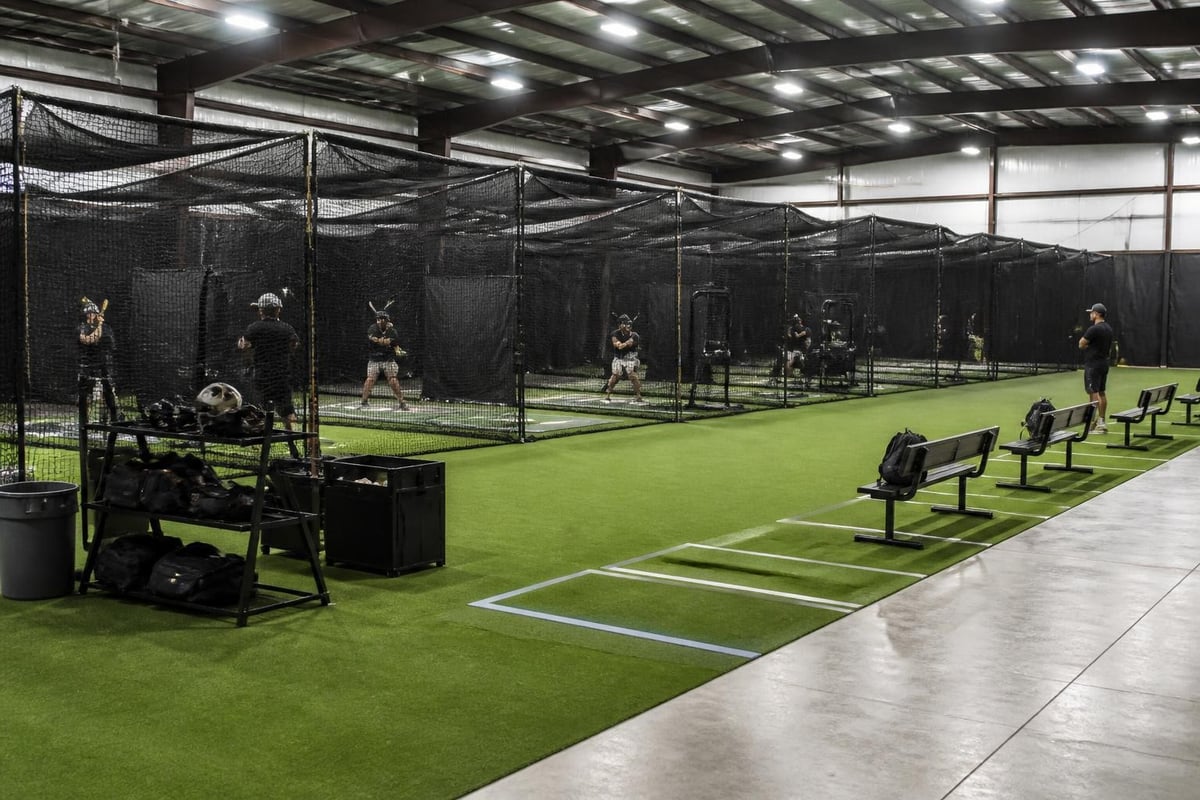
Facilities installing multiple batting cages and pitching machines gain operational flexibility and increased training capacity. Standard configurations include side-by-side arrangements with 4-foot minimum separation or back-to-back setups with shared center walls.
Design factors for multi-cage facilities:
- Adequate entry/exit points preventing congestion during transitions
- Separate staging areas for next-batter preparation
- Visibility for supervisory staff monitoring multiple active stations
- Dedicated storage for helmets, bats, and safety equipment
- Electrical service access for each machine location
The Sideline Sport Supply team sales department assists organizations with facility planning that balances budget constraints against long-term operational needs.
Accessibility and Universal Design
Modern facilities incorporate accessibility features that welcome athletes of all abilities. Wider entry gates, level threshold transitions, and adjustable machine heights accommodate wheelchair users and adaptive athletes.
Cost Analysis and Budget Planning
Financial planning for batting cage and pitching machine installations requires understanding both initial capital expenditures and ongoing operational costs. Transparent pricing structures help organizations make confident procurement decisions.
Initial Investment Components
Batting cage system costs (per unit):
- Entry-level outdoor portable: $800-2,000
- Mid-range permanent outdoor: $3,000-6,000
- Professional indoor installation: $6,000-12,000
- Commercial multi-cage facility: $40,000-100,000+
Pitching machine pricing ranges:
- Basic single-wheel youth model: $300-800
- Advanced two-wheel with controls: $1,200-2,500
- Commercial-grade pneumatic: $3,000-6,000
- Professional computerized system: $8,000-15,000+
Installation labor, site preparation, and electrical work add 20-40% to equipment costs for permanent installations.
Operational and Replacement Budgeting
Beyond initial purchase, ongoing expenses ensure continued functionality and safety.
Annual operating costs typically include:
- Ball inventory replacement: $200-800 depending on usage volume
- Netting replacement (3-5 year cycle): $500-2,000 per cage
- Machine maintenance and parts: $100-500 per unit
- Electrical costs for machine operation: $50-200
- Cleaning supplies and minor repairs: $100-300
The price match guarantee available through quality suppliers ensures competitive pricing without compromising equipment standards.
Vendor Selection and Procurement Strategies
Choosing reliable equipment suppliers impacts long-term satisfaction and operational success. Evaluation criteria should extend beyond initial price to encompass service quality, product warranties, and technical support availability.
Evaluation Criteria for Equipment Suppliers
Critical supplier capabilities include:
- Documented product specifications and performance data
- Clear warranty terms covering parts and labor
- Technical support access for troubleshooting and maintenance guidance
- Replacement parts availability and lead times
- Installation service options or vetted contractor networks
Organizations purchasing equipment for school programs or municipal facilities benefit from suppliers experienced with institutional procurement requirements and documentation needs.
Warranty and Service Agreements
Standard manufacturer warranties typically cover 1-2 years for pitching machines and frame components. Extended service agreements provide value for high-use facilities where equipment downtime disrupts programming.
Service agreement considerations include response time guarantees, covered component lists, labor inclusion, and annual preventive maintenance visits. Calculate break-even points comparing service costs against typical repair expenses to determine value.
Performance Measurement and Training Analytics
Data-driven approaches to skill development use measurable metrics that track player progress and inform coaching adjustments. Modern technology integration with batting cages and pitching machines enables sophisticated performance analysis.
Tracking Systems and Metrics
Fundamental measurement categories:
- Contact quality: Exit velocity, launch angle, ball flight distance
- Consistency metrics: Contact percentage, solid-hit ratio, foul-ball frequency
- Timing indicators: Early/late swing patterns, pitch-to-contact duration
- Progression tracking: Week-over-week improvement in key performance indicators
Simple tracking methods include coach observation with manual recording. Advanced facilities incorporate video analysis systems, radar units measuring exit velocity, or integrated software platforms that automatically log session data.
Program Effectiveness Assessment
Evaluate training program ROI through both quantitative performance improvements and qualitative skill development observations. Athletes showing measurable gains in contact percentage, bat speed, or game situation execution validate equipment investments and training methodologies.
Regular assessment intervals (monthly or quarterly) identify trends requiring program modifications. Stagnant progress signals the need for drill variation, technique adjustments, or different training approaches.
Emerging Technologies and Future Trends
Innovation continues advancing batting cage and pitching machine capabilities. Awareness of developing technologies helps organizations plan strategic equipment upgrades that maintain competitive training environments.
Smart Technology Integration
Connected devices bring data analytics, remote control, and automated programming to training facilities. Bluetooth-enabled machines accept tablet-based controls allowing coaches to adjust settings without approaching equipment during active sessions.
Advanced features include:
- Pre-programmed pitch sequences replicating specific pitcher tendencies
- Randomization algorithms preventing batter timing anticipation
- Automatic speed ramping protocols for progressive overload training
- Cloud-based performance tracking accessible across multiple devices
Virtual Reality and Simulation Enhancement
Emerging VR systems complement physical batting cages with cognitive training focused on pitch recognition and decision-making skills. While not replacing live repetition, simulation technology provides supplemental training opportunities particularly valuable during weather limitations or facility scheduling constraints.
Batting cages and pitching machines represent foundational training investments that deliver measurable improvements in player development, practice efficiency, and program consistency. By understanding equipment specifications, maintenance requirements, safety protocols, and strategic implementation approaches, athletic programs create training environments that maximize skill-building opportunities while protecting participant safety and budget resources. Sideline Sport Supply provides the reliable equipment, straightforward pricing, and responsive service teams need to build effective training programs without unnecessary complexity. Whether outfitting a new facility or upgrading existing systems, our focus on practical, game-ready solutions ensures your athletes have the tools they need to develop skills and compete confidently.