

Baseball Sports Shop Essentials for Teams & Players
Operating a successful baseball sports shop requires understanding the unique demands of coaches, players, and athletic programs. The baseball equipment market continues to expand, with industry data showing the sector valued at an estimated USD 20.67 billion in 2026, driven by increasing youth participation and technological advancements in gear design. For retailers and suppliers like Sideline Sport Supply, this growth creates opportunities to serve teams with reliable, game-ready equipment while maintaining competitive pricing and fast fulfillment.
Understanding the Baseball Equipment Market in 2026
The sporting goods industry has experienced remarkable momentum in recent years. According to SGB Media's industry analysis, baseball and softball equipment sales grew by 7.9% year-over-year in 2025, outpacing many other sports categories. This sustained growth reflects both increased participation at youth and recreational levels and ongoing demand for quality training equipment.
Several key factors drive this expansion. Rising disposable income allows families to invest more in youth sports participation, while government and organizational initiatives promote baseball at community levels. Schools and athletic programs continue to upgrade facilities and replace aging equipment, creating consistent demand throughout the year.
Market Segments and Customer Categories
A comprehensive baseball sports shop serves multiple customer segments, each with distinct needs:
- Youth leagues and recreational programs requiring affordable, durable equipment in bulk quantities
- High school and college programs seeking regulation-grade gear for competitive play
- Individual athletes and families purchasing personal equipment and training aids
- Sports organizations and facilities needing field infrastructure and maintenance supplies
Understanding these segments helps retailers stock appropriate inventory levels and price points. Youth programs often prioritize value and durability over premium features, while competitive programs may require specific certifications or performance standards.
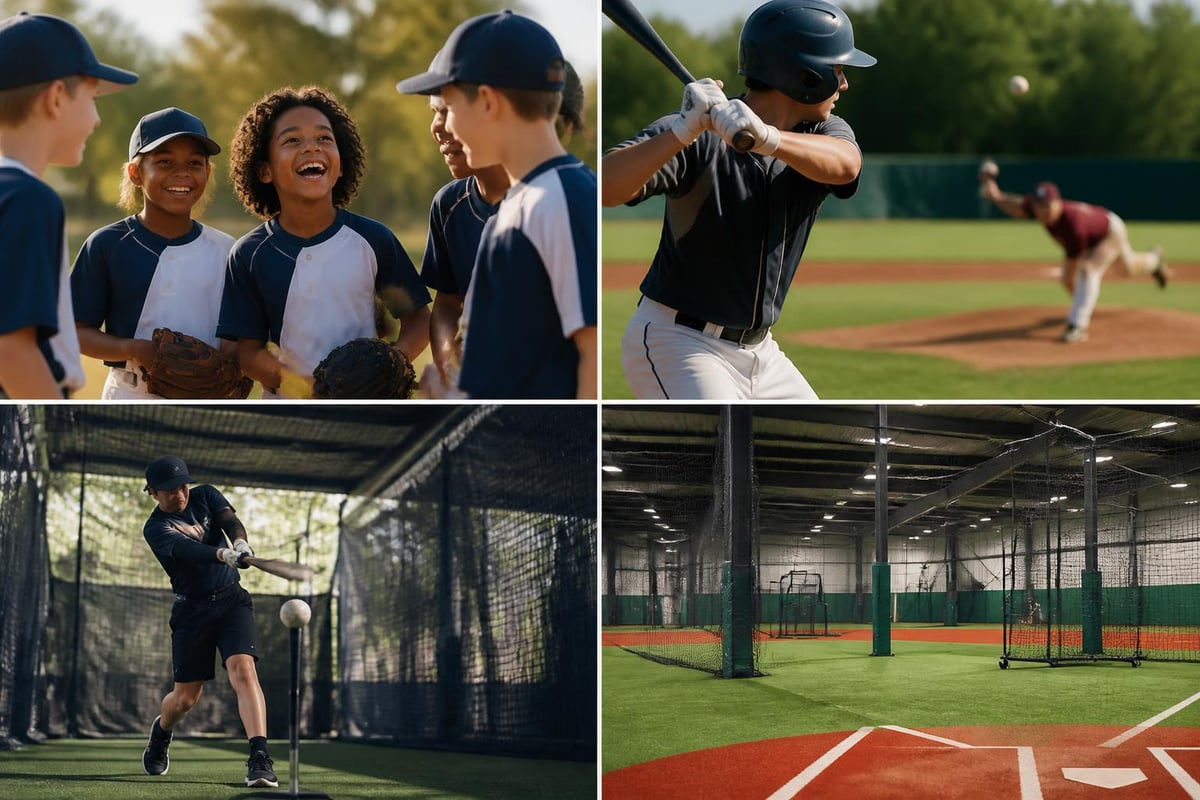
Essential Inventory Categories for a Baseball Sports Shop
Strategic inventory management separates successful retailers from those struggling with overstock or missed sales opportunities. A well-planned baseball sports shop balances core essentials with seasonal items and emerging trends.
Field Equipment and Infrastructure
Field preparation and maintenance equipment represents a significant category for teams and facilities. Essential items include:
| Product Category | Primary Users | Replacement Frequency |
|---|---|---|
| Bases and home plates | Schools, leagues, facilities | Annual or biennial |
| Pitching mounds | Training centers, schools | 3-5 years |
| Backstop padding | All field types | 5-7 years |
| Practice screens | Coaches, training programs | 2-4 years |
Retailers serving institutional customers should maintain inventory of field safety equipment like protective panels and backstop systems. These items often require advance planning for installation, making reliable availability crucial for meeting school and league timelines.
Professional-grade items like portable practice mounds serve both outdoor facilities and indoor training centers. The versatility of modern equipment allows programs to practice year-round regardless of weather conditions.
Training and Practice Equipment
Practice equipment drives recurring revenue throughout the year. Unlike seasonal apparel or once-per-season purchases, training aids experience consistent demand as programs run year-round development sessions.
Coaches and trainers regularly seek:
- Batting screens and protective netting for safe practice environments
- Pitching lanes and mats for mechanics work and bullpen sessions
- Throwing targets and velocity measurement tools for skill development
- Ball carts and storage solutions for equipment organization
The baseball screen systems available through specialized retailers provide crucial protection during batting practice while facilitating efficient training workflows. Quality screens withstand thousands of impacts across multiple seasons, making them worthwhile investments for serious programs.
Navigating Baseball Equipment Trends and Consumer Behavior
Consumer preferences in baseball equipment shift based on performance innovations, safety advances, and occasionally, social trends. A responsive baseball sports shop monitors these patterns to optimize inventory and meet evolving demand.
Performance-Driven Product Evolution
Recent years have seen significant attention to equipment that enhances player safety and performance. Helmets with improved concussion protection, gloves with advanced leather treatments, and bats engineered for optimal weight distribution represent ongoing refinements that serious players and programs actively seek.
Viral trends can create unexpected demand spikes. The surge in demand for "torpedo" baseball bats illustrated how social media exposure rapidly influences purchasing decisions, particularly among youth players. Retailers who track these emerging trends can capitalize on short-term opportunities while maintaining focus on core inventory.
Fashion and Function in Youth Baseball
Youth baseball increasingly reflects broader fashion trends alongside functional requirements. Items like sliding mitts, once purely protective gear for advanced players, have become popular accessories in youth leagues driven more by style than necessity. This trend toward fashion-forward equipment creates new product categories for retailers willing to stock beyond traditional essentials.
Smart inventory planning accounts for both functional needs and preference-driven purchases without overcommitting to trend-dependent items that may fade quickly.
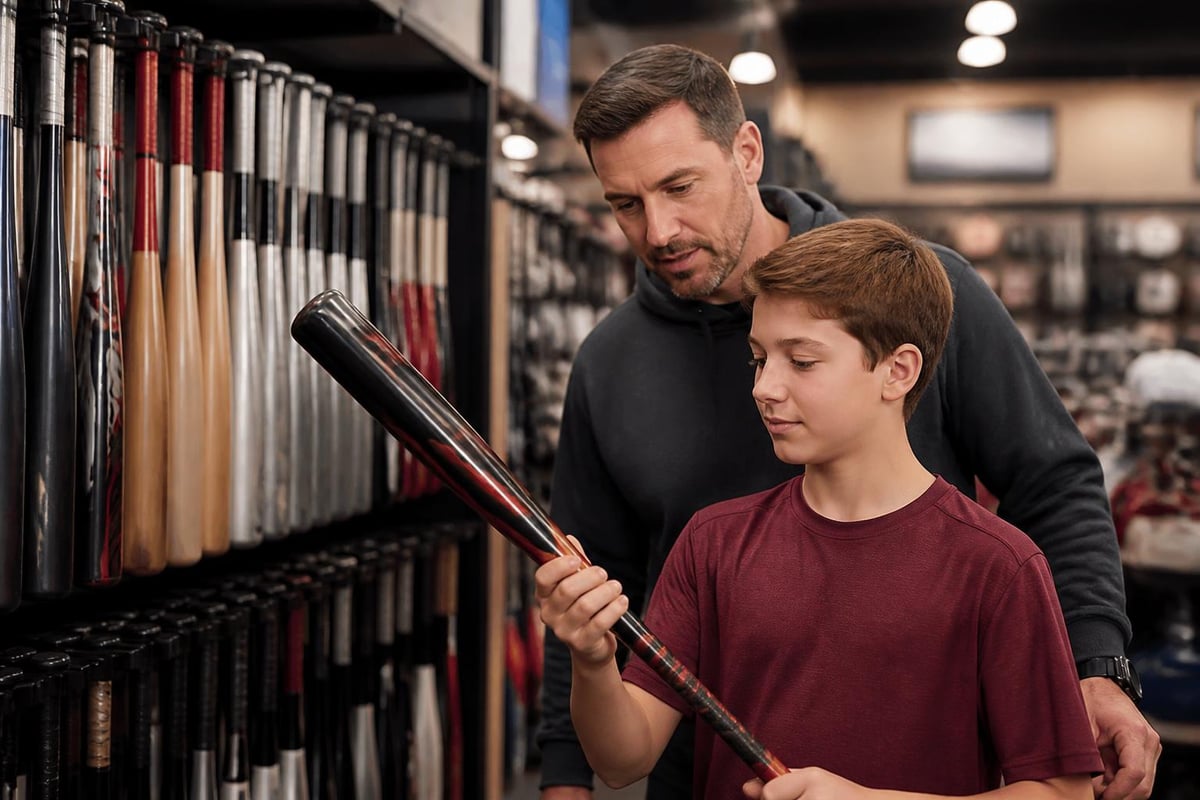
Pricing Strategies and Economic Considerations
A successful baseball sports shop must navigate complex pricing dynamics while maintaining profitability and competitive positioning. Economic factors ranging from manufacturing costs to import policies directly impact retail strategies.
Managing Cost Pressures
External economic forces create ongoing challenges for equipment retailers. Concerns about tariffs affecting youth sports equipment costs highlight how policy changes can squeeze margins or force difficult pricing decisions. Retailers must balance absorbing cost increases against passing them to customers, particularly when serving price-sensitive school and recreational programs.
Bulk purchasing and vendor relationships help mitigate some cost pressures. Establishing strong partnerships with manufacturers enables better pricing on high-volume items like practice baseballs, bases, and training equipment. The variety of baseball options available demonstrates how retailers can offer multiple price points matching different program budgets.
Competitive Positioning and Value Proposition
Rather than competing solely on price, successful retailers emphasize total value including:
- Product reliability for equipment that performs consistently across seasons
- Fast fulfillment ensuring teams receive gear when needed for practices and competitions
- Knowledgeable support helping coaches and athletic directors select appropriate equipment
- Straightforward pricing without hidden fees or complicated discount structures
This approach resonates particularly well with institutional buyers who value predictability and reliability over marginal price differences.
Building Relationships with Schools and Organizations
Institutional sales represent a cornerstone of sustainable baseball sports shop operations. Schools, leagues, and sports organizations purchase equipment in larger quantities and maintain ongoing replacement cycles, providing stable revenue streams.
Understanding Institutional Purchasing Processes
School and organizational purchasing typically follows structured timelines and approval processes. Athletic directors often work within annual budgets allocated months in advance, requiring retailers to:
- Establish communication early in budget cycles
- Provide detailed quotes and specifications for approval processes
- Meet delivery timelines coordinating with season schedules
- Offer flexible payment terms matching institutional billing systems
- Maintain consistent inventory of specified products across multi-year contracts
Building these relationships requires patience and reliability. A single successful season can lead to multi-year partnerships as programs find trusted suppliers who understand their specific needs.
Supporting Multiple Sports Programs
Many athletic directors and facility managers oversee multiple sports throughout the year. A baseball sports shop that also provides equipment for other programs creates additional value for institutional customers. The broader product selection available through suppliers like Sideline Sport Supply allows athletic departments to consolidate vendors and streamline procurement.
Cross-sport infrastructure items like field padding systems and practice equipment serve multiple programs, making them strategic investments for facilities serving year-round athletics.
Seasonal Planning and Inventory Management
Baseball equipment demand follows predictable seasonal patterns while maintaining year-round activity through indoor training and off-season development. Effective inventory management anticipates these cycles while avoiding excess stock.
Peak Season Preparation
Spring represents the traditional peak for baseball equipment sales as outdoor seasons launch across youth, high school, and college programs. Successful retailers begin preparation months earlier:
| Timeline | Inventory Actions | Customer Focus |
|---|---|---|
| November-December | Order spring inventory, review vendor agreements | Early-bird team orders, winter training supplies |
| January-February | Receive bulk shipments, organize storage | Team fittings, pre-season equipment checks |
| March-April | Peak fulfillment period, restock fast-moving items | Season startup, replacement equipment |
| May-June | Transition to tournament supplies, summer camp prep | Competitive season support, facility maintenance |
This planning cycle ensures adequate stock during peak demand while managing cash flow throughout the year. The availability of specialized items like pitching mounds during these critical periods can differentiate retailers in competitive markets.
Year-Round Training Market
Indoor facilities, private coaching operations, and serious individual players maintain equipment demand throughout the off-season. Training aids, protective screens, and portable practice equipment experience steady sales as players work on skill development during traditional downtime.
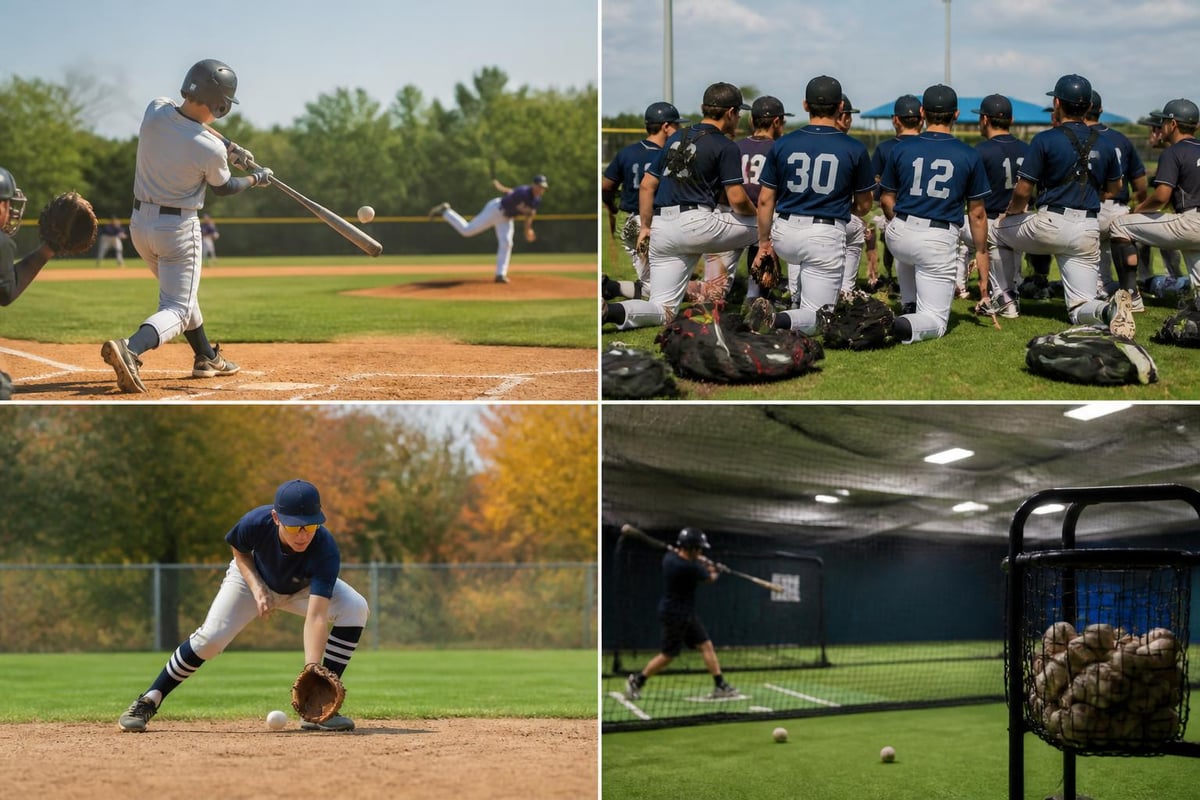
Quality Assurance and Product Selection
A reputable baseball sports shop builds trust through consistent product quality and appropriate selection for different skill levels and competitive standards. Equipment failures during practices or games create frustration and erode customer confidence.
Balancing Quality Tiers
Different customer segments require different quality levels, but all expect reliability within their price ranges. A well-structured inventory includes:
- Premium competitive-grade equipment for high school and college programs requiring specific certifications
- Mid-tier practice equipment offering durability and performance for regular training use
- Economy options for recreational programs and introductory players prioritizing affordability
The key distinction lies in matching products to use cases rather than simply offering cheapest and most expensive options. Practice baseballs designed for durability serve teams differently than game-quality balls, and knowledgeable retailers guide customers toward appropriate choices.
Vendor Partnerships and Brand Selection
Selecting reputable manufacturers ensures consistent quality and ongoing product support. Established brands invest in research, testing, and quality control that translates to reliable performance. Working with diverse vendors prevents over-reliance on single suppliers while offering customers meaningful choice.
Strong vendor relationships also facilitate problem resolution when issues arise. Returns, warranties, and technical support become significantly easier when retailers maintain good standing with manufacturers.
E-commerce Integration and Customer Experience
Modern baseball sports shop operations increasingly blend physical and digital customer interactions. Even retailers operating primarily through institutional sales benefit from online presence and ordering capabilities.
Digital Convenience for Time-Pressed Coaches
Athletic directors and coaches juggle countless responsibilities beyond equipment purchasing. Online ordering systems that remember previous purchases, suggest reorder quantities, and provide order tracking reduce administrative burden. Features customers particularly value include:
- Quick reorder functionality for consumable items like practice balls
- Detailed product specifications and certifications available for review
- Order history accessible for budget documentation
- Shipping updates coordinating with practice and competition schedules
These conveniences differentiate professional suppliers from general sporting goods retailers who may offer broader selection but less specialized service.
Educational Content and Product Information
Comprehensive product information helps customers make informed decisions independently. Detailed descriptions should address:
- Appropriate use cases clarifying whether products suit practice, competition, or recreational use
- Durability expectations under different usage intensities
- Compliance information for programs requiring specific certifications
- Maintenance requirements extending product lifespan
- Compatibility details for items requiring specific installation or integration
This educational approach builds trust while reducing pre-sale questions, allowing sales resources to focus on complex or high-value customer needs.
Future Outlook for Baseball Equipment Retail
The baseball equipment industry continues evolving through technological innovation, changing participation patterns, and shifting consumer expectations. Forward-thinking retailers position themselves to capitalize on emerging opportunities.
Technology Integration in Equipment
Smart equipment incorporating sensors, performance tracking, and data analysis represents a growing segment. While still primarily serving elite and professional markets, these technologies increasingly reach serious amateur and youth competitive programs. Retailers who understand these products and their applications can serve programs seeking competitive advantages through data-driven training.
Sustainability and Long-Term Value
Environmental consciousness influences purchasing decisions across consumer categories, and sports equipment is no exception. Durable products requiring less frequent replacement appeal both to environmentally minded customers and budget-conscious programs. Highlighting quality construction and expected lifespan addresses both concerns simultaneously.
Programs also increasingly value equipment that serves multiple purposes or adapts to different age groups and skill levels. Adjustable systems and multi-use training tools provide better return on investment than single-purpose items requiring replacement as players develop.
Expanded Participation Driving Continued Growth
Youth baseball participation continues growing, supported by community programs, school athletics, and travel ball organizations. This expansion creates sustained demand for entry-level and developmental equipment alongside competitive-grade gear. According to market analysis, the baseball equipment market expects continued growth through the coming decade, presenting ongoing opportunities for well-positioned retailers.
Retailers supporting grassroots participation through accessible pricing and community involvement build long-term customer relationships that extend as young players progress through competitive levels.
Operational Excellence in Equipment Retail
Behind successful customer interactions lies operational infrastructure enabling consistent delivery, accurate fulfillment, and responsive service. These operational elements may lack glamour but directly impact customer satisfaction and retention.
Inventory Accuracy and Order Fulfillment
Nothing frustrates coaches and program managers more than discovering ordered equipment is unavailable after planning practices and competitions around expected delivery. Maintaining accurate inventory counts and realistic availability projections prevents these disappointments.
Effective systems include:
- Real-time inventory tracking across multiple storage locations
- Automated reorder points for fast-moving consumables
- Clear communication about lead times for special-order items
- Proactive notification if delays or shortages affect pending orders
These practices separate professional suppliers from retailers treating institutional sales as secondary to retail operations.
Packaging and Shipping for Institutional Orders
Large orders require thoughtful packaging ensuring products arrive undamaged and organized for easy distribution. Schools and organizations particularly appreciate:
- Clearly labeled boxes indicating contents for multi-item shipments
- Protective packaging for fragile items like screens and padding
- Consolidated shipments reducing receiving complexity
- Advance shipping notifications with tracking information
These details demonstrate understanding of how customers actually receive and use purchased equipment, building loyalty through considerate service.
Successfully operating in the baseball equipment market requires understanding diverse customer needs, maintaining strategic inventory, and delivering reliable service throughout seasonal demand cycles. Whether serving youth recreation programs, competitive school athletics, or individual players, the foundation remains consistent quality, fair pricing, and responsive fulfillment. Sideline Sport Supply provides teams, coaches, and organizations with the reliable, affordable equipment they need to focus on player development and competitive success rather than procurement challenges.