

Essential Grass Hockey Equipment for Teams and Athletes
Field hockey, traditionally played on grass surfaces, requires specialized equipment designed for outdoor conditions and the unique demands of the sport. Whether you're outfitting a high school team, upgrading youth league equipment, or helping individual athletes prepare for competition, understanding the essential components of grass hockey equipment ensures players stay safe, perform well, and comply with regulations. From sticks to protective gear, each piece serves a critical purpose in player development and game-day readiness.
Understanding Stick Specifications and Selection
The hockey stick represents the most fundamental piece of grass hockey equipment. Modern sticks feature specific construction standards that differ significantly from ice hockey equipment, with materials and designs optimized for grass and turf surfaces.
Stick Construction and Materials
Today's field hockey sticks typically combine fiberglass, carbon fiber, aramid, and wood in varying percentages. Carbon fiber content directly impacts stick stiffness and power transfer, with higher percentages providing more power but requiring greater skill to control. Players should select carbon content based on their experience level and playing style.
Key stick specifications include:
- Length: Typically ranging from 28 to 38 inches, selected based on player height
- Weight: Generally between 18 and 22 ounces for optimal control
- Bow: The curve in the stick, measured in millimeters (typically 20-25mm)
- Head shape: Variations designed for different playing positions and techniques
The official equipment rules for field hockey mandate that sticks must pass through a ring with a specific interior diameter, ensuring consistency across competitive play. Schools and organizations purchasing grass hockey equipment in bulk should verify that all sticks meet these dimensional requirements.
Position-Specific Stick Considerations
Different field positions benefit from specific stick characteristics. Defenders often prefer longer, stiffer sticks for reaching and powerful clearances. Forwards typically select sticks with more bow and lighter weights for enhanced ball control and quick shooting. Midfielders generally choose balanced options that support both offensive and defensive play.
Protective Gear Requirements for Grass Hockey
Safety equipment forms a critical component of any grass hockey equipment inventory. While the sport may appear less contact-intensive than ice hockey, proper protection prevents common injuries and builds player confidence.
Essential Protective Items
| Equipment Item | Purpose | Key Features |
|---|---|---|
| Shin Guards | Lower leg protection from stick impacts | Lightweight, ventilated designs for grass play |
| Mouthguards | Dental and jaw protection | Custom-fit or boil-and-bite options, required in most leagues |
| Gloves | Hand protection for defenders | Left-hand glove standard, full hand coverage available |
| Goggles | Eye protection | Mandatory in many youth leagues, impact-resistant lenses |
Youth programs and schools must prioritize mouthguards as non-negotiable grass hockey equipment. The National Federation of State High School Associations requires mouthguards for all players in sanctioned competitions. These inexpensive items prevent thousands of dental injuries annually and should be included in every equipment package.
Goalkeeper Equipment
Goalkeepers require substantially more protective gear than field players. A comprehensive field hockey equipment list for goalies includes helmets with face cages, chest protectors, padded shorts, leg guards, kickers (foot protectors), and specialized goalkeeper sticks.
Goalkeeper protection priorities:
- Full-coverage helmet with throat protector
- Chest and shoulder protection rated for field hockey impacts
- Leg guards extending from ankle to upper thigh
- Hand protectors designed for stick grip while blocking shots
- Kickers that allow mobility while protecting feet
Organizations outfitting multiple teams should maintain dedicated goalkeeper equipment sets, as these items represent significant investments and require proper sizing for different age groups.
Balls and Playing Surface Considerations
The ball used in grass hockey differs from those designed for artificial turf, making surface-appropriate selection essential for optimal play and equipment longevity.
Ball Specifications and Types
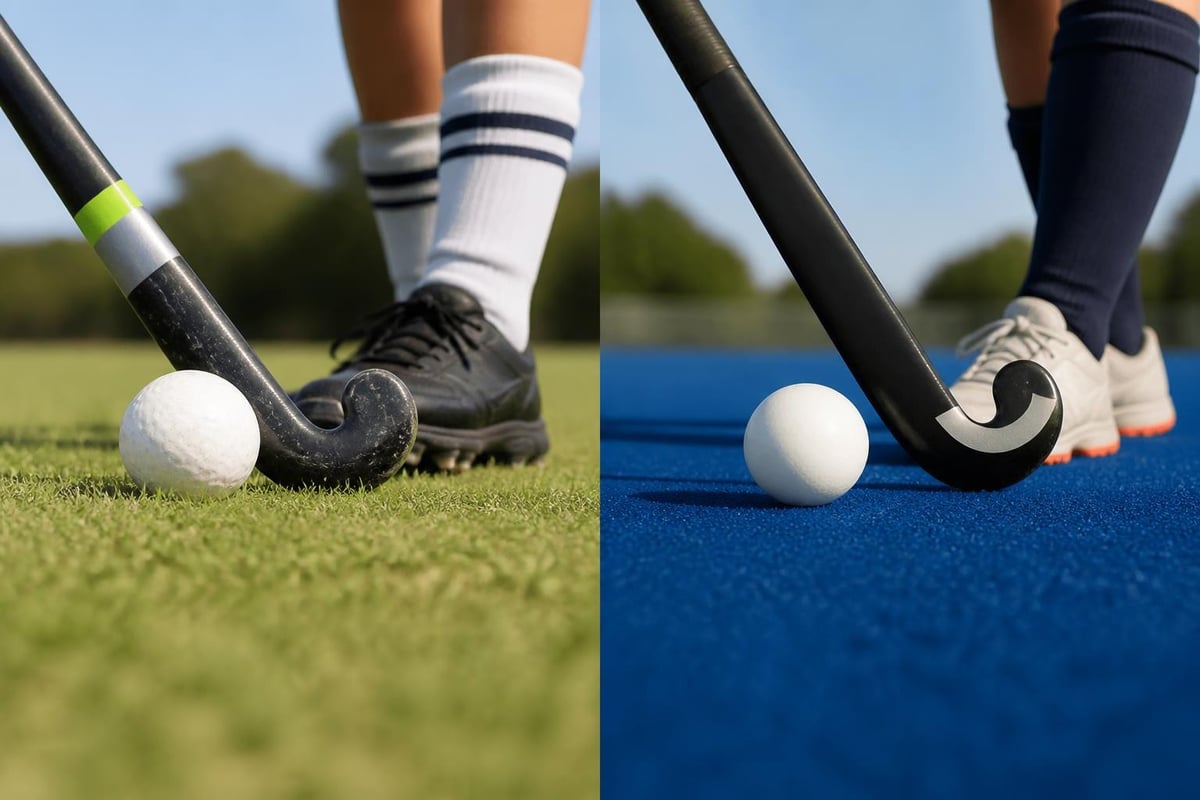
Regulation grass hockey equipment includes balls weighing between 5.5 and 5.75 ounces with a circumference of approximately 9 inches. Grass play typically utilizes slightly different ball constructions than turf play, with dimpled surfaces that perform better on natural grass.
Teams should stock multiple ball types:
- Practice balls: Durable construction for high-volume training use
- Match balls: Premium materials meeting all competition standards
- Indoor balls: For off-season training in gymnasiums
- Training balls: Weighted or oversized options for skill development
Proper ball maintenance extends equipment life significantly. Grass hockey equipment managers should clean balls after each use, store them in cool, dry locations, and rotate inventory to ensure even wear across all practice balls.
Surface-Specific Equipment Adaptations
Natural grass fields require players to adjust their grass hockey equipment selections compared to synthetic surfaces. Shoes with longer cleats provide better traction on grass, while ball control techniques may require sticks with different bow characteristics.
Footwear and Apparel for Grass Play
Proper footwear represents critical grass hockey equipment that directly impacts player safety and performance. Unlike turf shoes, grass-specific cleats must provide traction on natural surfaces while allowing quick directional changes.
Cleat Selection Guidelines
Field hockey cleats for grass surfaces feature molded or detachable studs designed specifically for the sport's lateral movements. Soccer cleats often work well for field hockey on grass, provided they don't have a front toe cleat, which is prohibited in most field hockey leagues.
Cleat considerations for grass hockey:
- Stud configuration that supports lateral movement
- Low-profile design for stability during stick handling
- Adequate ankle support without restricting mobility
- Water-resistant materials for wet grass conditions
Programs should advise players to maintain multiple pairs of cleats in their grass hockey equipment bags, ensuring dry footwear is always available for practice and competition.
Performance Apparel Standards
While less regulated than protective equipment, appropriate clothing contributes to player comfort and performance. Most grass hockey equipment packages should include moisture-wicking shirts, breathable shorts or skirts, and sport-specific socks that stay in place during play.
Many leagues require shin guards to be worn under socks, making longer athletic socks essential grass hockey equipment. Teams can standardize apparel colors while allowing individual players to select brands and styles that fit their preferences and budgets.
Equipment Bags and Storage Solutions
Organized equipment storage extends the life of grass hockey equipment while ensuring players arrive prepared for every practice and game. Purpose-designed field hockey bags accommodate the unique shape of sticks and separate clean items from soiled protective gear.
Bag Features and Organization
Quality equipment bags for grass hockey include multiple compartments, ventilated sections for wet or dirty items, and exterior stick holders. Water-resistant materials protect gear during transport in various weather conditions common to outdoor grass play.
Teams purchasing grass hockey equipment in bulk should consider standardized bags that:
- Hold at least two sticks securely
- Provide separate compartments for balls, protective gear, and personal items
- Include ventilation to prevent mildew on damp equipment
- Feature durable zippers and reinforced stress points
- Offer comfortable carrying options (backpack straps, handles, shoulder straps)
Athletes at Sideline Sport Supply can find storage solutions suitable for individual players and team equipment managers maintaining large inventories.
Training Aids and Skill Development Tools
Beyond basic playing equipment, specialized training tools enhance player development and practice efficiency. These supplementary items round out comprehensive grass hockey equipment programs for schools and clubs.
Practice-Specific Equipment
| Training Tool | Purpose | Usage Recommendations |
|---|---|---|
| Cones and Markers | Drill setup, boundary marking | Color-coded sets for multiple drill stations |
| Rebounders | Solo passing practice | Adjustable angles for varied skill work |
| Agility Ladders | Footwork development | Regular integration in warm-up routines |
| Training Hurdles | Speed and conditioning | Height-adjustable for different age groups |
Coaches managing grass hockey equipment budgets should prioritize versatile training tools that support multiple skill areas. Simple items like cones and markers provide exceptional value, enabling countless drill variations with minimal investment.
Video Analysis Equipment
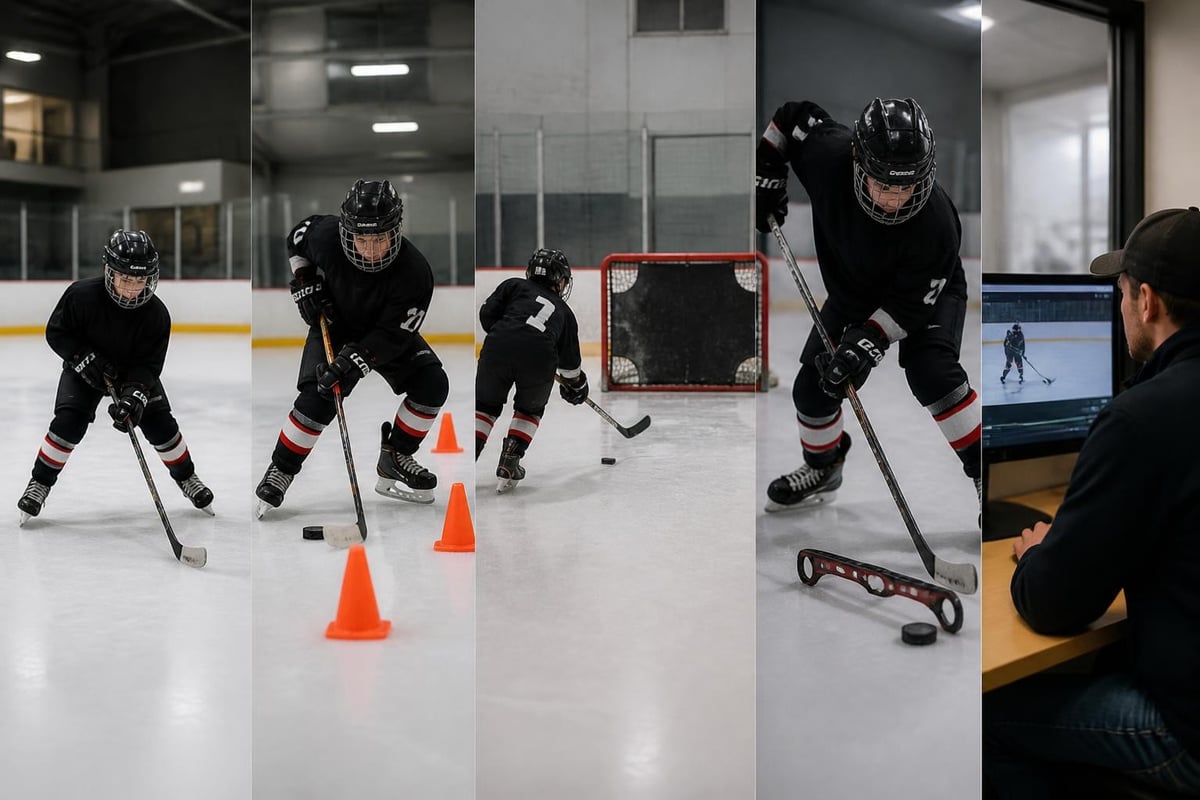
Modern training incorporates technology for technique refinement. Portable tripods, tablets, and coaching apps allow real-time feedback during practice sessions. While not traditional grass hockey equipment, these tools significantly enhance player development when integrated thoughtfully into training programs.
Maintenance and Equipment Lifecycle Management
Proper care extends grass hockey equipment lifespan while maintaining safety standards. Schools and organizations should implement systematic maintenance schedules and replacement protocols to maximize equipment investments.
Stick Care and Maintenance
Field hockey sticks require regular inspection for cracks, splits, or delamination. The beginner's guide to field hockey equipment emphasizes that even minor damage can compromise stick integrity and player safety.
Stick maintenance best practices:
- Clean sticks after each use to remove grass, dirt, and moisture
- Store sticks horizontally or hanging to prevent warping
- Tape handles as needed to maintain grip
- Inspect for damage before each practice and game
- Replace sticks showing structural compromise immediately
Teams should budget for stick replacement annually, as intensive use degrades materials even with excellent care. Maintaining a small inventory of backup sticks ensures players always have appropriate equipment available.
Protective Gear Inspection Schedules
Safety equipment degrades with use and must be replaced according to manufacturer guidelines. Mouthguards should be replaced at minimum annually, while helmets require inspection after any significant impact. Establishing inspection protocols as part of grass hockey equipment management prevents injuries and demonstrates organizational commitment to player safety.
Regulatory Compliance and Standards
Understanding equipment regulations ensures teams avoid competition disqualifications and maintain player eligibility. The rules governing grass hockey equipment vary between youth leagues, high school associations, and adult competitions.
Meeting Competition Standards
Organizations like USA Field Hockey publish detailed equipment specifications that teams must follow. Compliance areas include stick dimensions, ball specifications, protective gear requirements, and goalkeeper equipment standards.
Schools purchasing grass hockey equipment should verify that suppliers provide certification documentation confirming regulatory compliance. This documentation becomes essential when league officials inspect equipment before championship events.
Key compliance checkpoints:
- Stick measurements and weight within legal ranges
- Ball certifications for competition use
- Mouthguard requirements met for all players
- Goalkeeper equipment meeting enhanced protection standards
- Uniform number visibility and placement regulations
Budget Planning for Team Equipment
Outfitting teams with complete grass hockey equipment requires strategic planning and budget allocation. Schools and organizations benefit from understanding cost structures and identifying areas where quality investments provide long-term value.
Initial Equipment Investment
New programs should anticipate initial costs ranging from $150-$300 per player for basic grass hockey equipment including stick, protective gear, bag, and appropriate footwear. Goalkeeper equipment adds $500-$1,000 for comprehensive protection meeting safety standards.
Bulk purchasing through athletic equipment suppliers often reduces per-unit costs significantly. The essential equipment overview helps budget planners identify must-have items versus optional upgrades when allocating limited resources.
Long-Term Equipment Management
Sustainable programs build replacement cycles into annual budgets rather than facing large unexpected expenses. Typical replacement schedules include:
- Sticks: 1-2 years depending on use intensity
- Balls: Annual restocking of practice inventory
- Protective gear: 2-3 years with regular inspection
- Goalkeeper equipment: 3-5 years for structural items, annually for padding
- Bags and accessories: 3-4 years with proper care
Organizations can extend budgets by implementing equipment-sharing programs for expensive goalkeeper gear and maintaining repair capabilities for items like stick grips and bag zippers.
Seasonal Preparation and Inventory Management
Effective grass hockey equipment management requires planning around seasonal cycles and maintaining accurate inventory tracking. Pre-season preparation prevents practice delays and ensures compliance with league requirements.
Pre-Season Equipment Audits
Before each season, equipment managers should conduct comprehensive inventory assessments. This process identifies damaged items requiring replacement, determines quantity needs based on roster size, and verifies regulatory compliance for all competition equipment.
A systematic audit checklist includes:
- Player stick count and condition assessment
- Protective gear inspection with replacement identification
- Ball inventory and quality verification
- Goalkeeper equipment comprehensive inspection
- Training equipment functionality testing
- Storage facility organization and cleaning
Teams using outdoor equipment solutions benefit from weatherproof storage that protects grass hockey equipment during off-seasons and between uses.
Managing Multiple Age Groups
Organizations supporting youth through high school programs must maintain grass hockey equipment sized appropriately for different age brackets. Standardizing equipment specifications within age groups while maintaining size variety ensures proper fit without excessive inventory complexity.
Goalkeeping Equipment Deep Dive
Goalkeeper positions require specialized grass hockey equipment that warrants detailed consideration. The investment in proper goalkeeper protection represents significant budget allocation but remains non-negotiable for player safety.
Complete Goalkeeper Kit Components
A fully outfitted goalkeeper needs substantially more protection than field players. The field hockey equipment overview details how each component works together to create comprehensive protection.
| Equipment Category | Specific Items | Protection Provided |
|---|---|---|
| Head Protection | Helmet with cage, throat guard | Face, skull, neck from ball and stick impacts |
| Upper Body | Chest protector, arm guards | Torso and arm protection during saves |
| Lower Body | Leg guards, kickers, padded shorts | Complete leg coverage, hip and thigh protection |
| Hands/Feet | Gloves, kickers | Hand protection with grip capability, foot coverage |
Programs maintaining multiple goalkeeper kits should organize equipment by size rather than assigning kits to individual players. This approach maximizes equipment utilization as players grow and rosters change.
Goalkeeper Stick Specifications
Goalkeeper sticks differ from field player sticks with wider, flatter heads designed for shot blocking. These specialized sticks form essential grass hockey equipment for goalkeeper training and should be available in quantities supporting dedicated goalkeeper practice sessions.
Weather Considerations for Grass Play
Natural grass surfaces expose players to variable weather conditions that impact both equipment selection and maintenance requirements. Planning for weather-related challenges ensures consistent practice and competition readiness.
Wet Weather Equipment Adaptations
Rain and moisture affect grass hockey equipment performance significantly. Wet conditions demand equipment adjustments including:
- Spare sticks with fresh grip tape for improved handling
- Additional balls as wet grass affects ball behavior
- Towels for wiping equipment between plays
- Water-resistant bags protecting backup equipment
- Extra uniform pieces for player comfort
Teams should maintain weather-specific grass hockey equipment reserves that remain dedicated to wet-condition play, preventing moisture damage to primary inventory.
Heat and Sun Protection
Summer programs require consideration of heat-related player welfare. While not traditional grass hockey equipment, sun protection items like hats for breaks, sunscreen, and hydration systems become essential for safe outdoor practices.
Building Equipment Programs for Different Levels
Grass hockey equipment needs scale with competitive level and program objectives. Youth recreational leagues require different approaches than high school varsity programs or adult competitive clubs.
Youth and Beginner Programs
Entry-level programs should prioritize safety equipment and appropriate stick sizing over premium materials. The field hockey equipment guidance helps identify beginner-appropriate gear that builds skills without overwhelming young players or family budgets.
Beginner grass hockey equipment packages should emphasize:
- Lower carbon-content sticks (20-40%) for easier control
- Mandatory protective gear meeting league safety standards
- Durable practice balls designed for high-volume use
- Simple bag solutions supporting equipment organization habits
Competitive and Advanced Programs
High school varsity and club programs demand higher-quality grass hockey equipment that supports advanced skill execution. Players at competitive levels benefit from premium stick materials, position-specific equipment, and comprehensive training tool inventories.
Advanced programs should provide access to:
- Multiple stick options allowing players to match equipment to conditions
- Competition-grade balls for practice sessions mimicking game conditions
- Specialized training equipment supporting position-specific skill development
- Video analysis tools for technique refinement
Outfitting athletes with proper grass hockey equipment creates the foundation for skill development, competitive success, and safe participation at every level. From stick selection through protective gear, maintenance practices, and seasonal preparation, each equipment decision impacts player performance and program sustainability. Sideline Sport Supply provides the reliable, affordable equipment teams need to focus on development and competition rather than equipment challenges, supporting coaches, schools, and organizations with practical solutions designed for game-day readiness.