

Professional Sports Equipment: Standards & Selection Guide
Investing in quality equipment can dramatically impact athletic performance, safety outcomes, and long-term player development. Whether outfitting a high school team, managing a sports organization, or coaching competitive athletes, understanding what distinguishes professional-grade gear from recreational alternatives helps you make informed purchasing decisions. Professional sports equipment represents more than just premium pricing-it embodies rigorous testing standards, advanced materials engineering, and design specifications that meet the demanding requirements of serious competition. This comprehensive guide explores the critical factors that define professional-grade athletic gear and how to select equipment that delivers genuine value for your program.
Understanding Professional Sports Equipment Standards
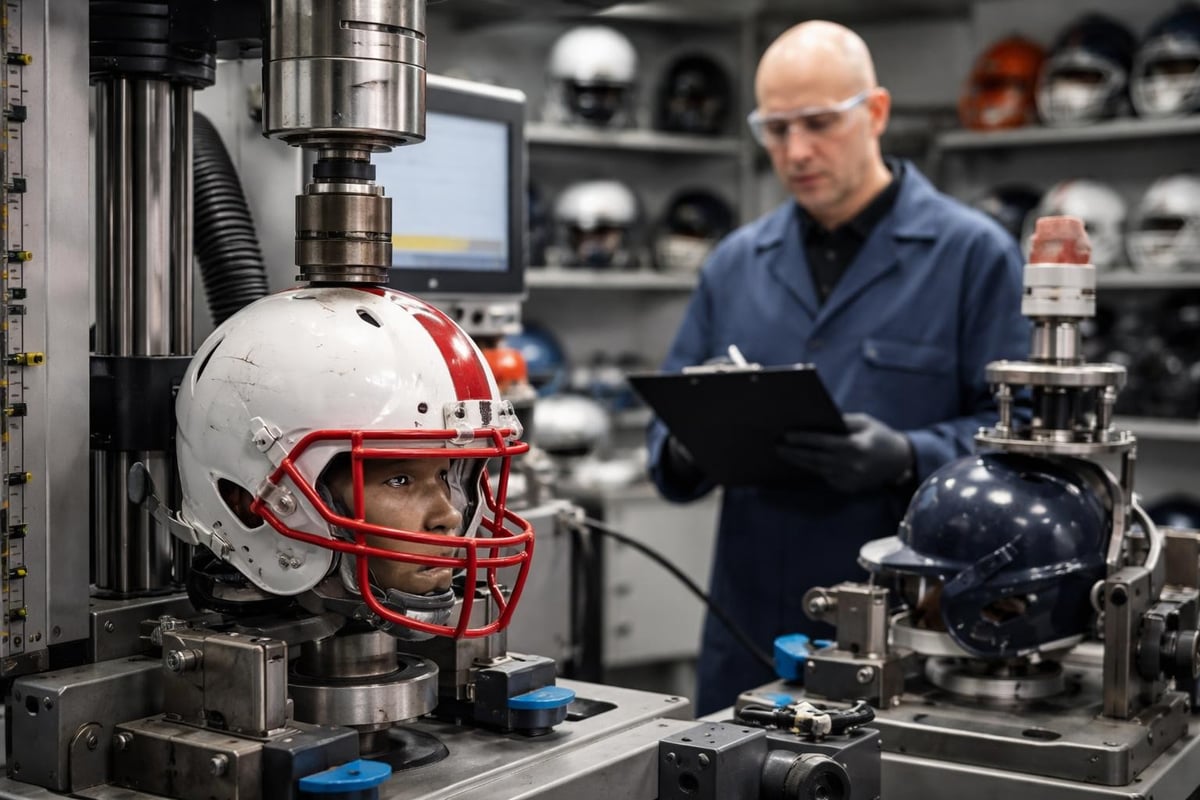
Professional sports equipment undergoes extensive testing and certification processes that recreational gear typically bypasses. Organizations like The National Operating Committee on Standards for Athletic Equipment (NOCSAE) develop rigorous standards specifically designed to enhance athlete safety across multiple sports disciplines. These standards establish baseline performance requirements that manufacturers must meet before equipment receives certification for competitive use.
Certification processes evaluate equipment across multiple dimensions including impact resistance, durability under repeated stress, material integrity, and performance consistency across varying environmental conditions. Football helmets, for example, must pass sophisticated impact testing protocols that simulate real-world collision scenarios. Baseball and softball batting helmets undergo similar scrutiny to ensure they provide adequate protection during gameplay.
Safety Certification Requirements
Different sports mandate specific certification standards that professional sports equipment must satisfy:
- Football protective gear: NOCSAE certification for helmets, face masks, and padding systems
- Baseball and softball equipment: NOCSAE standards for batting helmets and catcher's gear
- Soccer goals: ASTM safety standards for anchoring systems and structural integrity
- Basketball systems: Backboard breakaway rim requirements and pole padding specifications
- Volleyball equipment: Net tension specifications and pole safety padding standards
Beyond basic certification, equipment standards continue evolving as research reveals new insights about injury prevention and performance optimization. The introduction of protective innovations like the Guardian Cap demonstrates how equipment standards adapt to address emerging safety concerns, particularly regarding head impact reduction in contact sports.
Material Quality and Construction Differences
The materials used in professional sports equipment distinguish it from economy alternatives in measurable ways. High-grade aluminum alloys in baseball machines provide superior durability and consistent ball delivery compared to lower-cost materials. Professional-grade netting uses UV-resistant polyethylene that maintains tensile strength through multiple seasons of outdoor exposure, while recreational netting often deteriorates rapidly under similar conditions.
Construction techniques matter equally. Reinforced stitching patterns, precision welding, and advanced bonding technologies ensure equipment withstands the repetitive stress of daily training and competition. Professional batting cages utilize heavier gauge steel frames with powder-coated finishes that resist corrosion, extending functional lifespan significantly compared to lighter residential alternatives.
| Equipment Category | Professional Grade Features | Economy Grade Limitations |
|---|---|---|
| Soccer Goals | Welded aluminum construction, ground anchor systems, weather-resistant nets | Lightweight steel, stake anchoring, standard polyester nets |
| Training Machines | Programmable speed/spin control, commercial-duty motors, digital displays | Manual adjustment, residential motors, basic controls |
| Basketball Systems | Breakaway rims, tempered glass backboards, adjustable height mechanisms | Fixed rims, acrylic/polycarbonate boards, limited adjustability |
| Protective Equipment | Multi-layer foam systems, moisture-wicking liners, reinforced impact zones | Single-layer padding, standard fabrics, basic protection |
Material selection directly impacts performance consistency. Volleyball machines using pneumatic delivery systems maintain precise ball trajectory across thousands of repetitions, while spring-loaded recreational versions lose calibration quickly. This consistency proves essential for developing muscle memory and refining technique during practice sessions.
Performance Features That Define Professional Standards
Professional sports equipment incorporates design features engineered to optimize specific performance outcomes. Adjustability represents a fundamental characteristic-equipment must accommodate varying skill levels, training objectives, and athlete specifications. Quality portable soccer goals feature tool-free assembly systems, quick-release net attachments, and transportation wheels that facilitate efficient field setup and breakdown.
Advanced Training Capabilities
Modern professional equipment integrates technology that enhances training effectiveness:
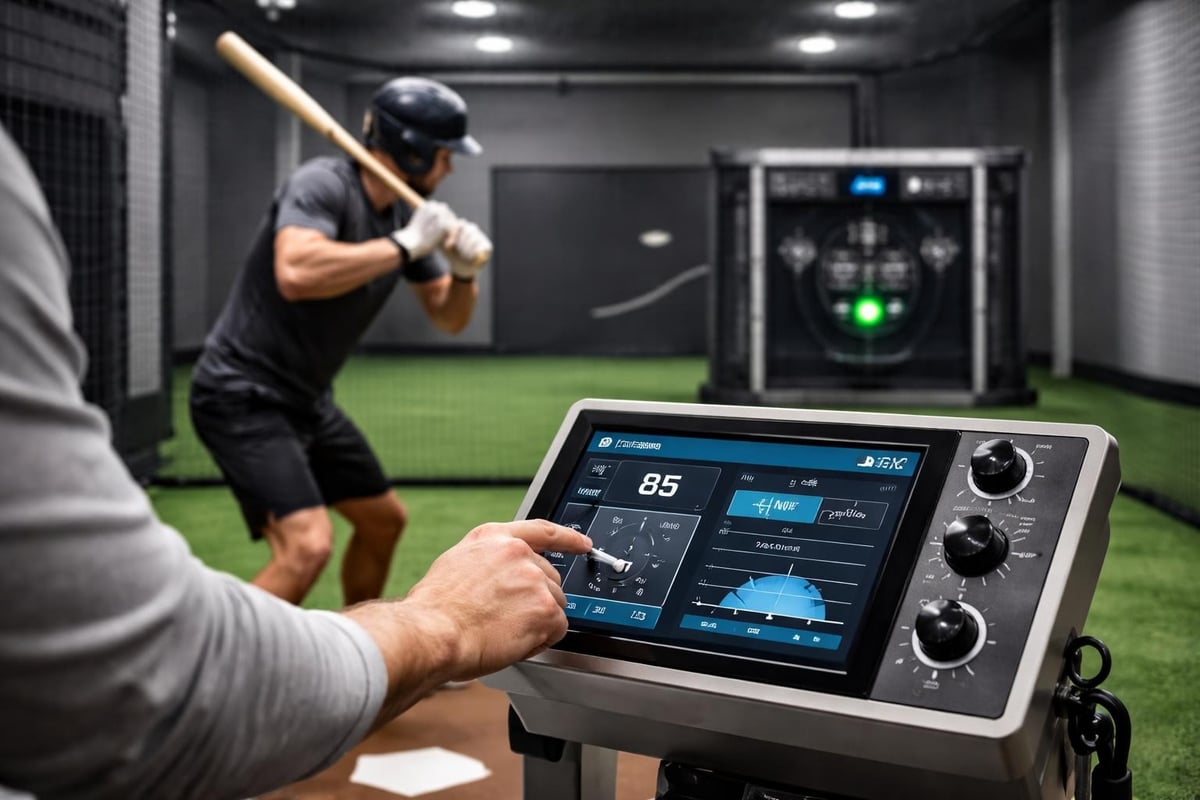
- Programmable training machines deliver customizable speed, spin, and trajectory patterns
- Digital tracking systems monitor repetition counts and performance metrics
- Adjustable resistance mechanisms enable progressive skill development
- Multi-sport functionality maximizes equipment utilization across programs
- Remote control operation allows coaches to modify settings without interrupting drills
The difference between professional and recreational equipment becomes particularly evident in training machines. Football machines designed for competitive programs offer variable spin rates, adjustable elevation angles, and programmable interval timing that coaches use to simulate game scenarios. These capabilities enable targeted skill development impossible with basic equipment.
Safety features integrated into professional sports equipment extend beyond basic compliance. Padding systems on basketball systems use high-density foam that absorbs impact forces while resisting compression over time. Quick-release net systems prevent entanglement injuries. Breakaway rim mechanisms reduce wrist and finger injuries during aggressive play.
Equipment Selection for Different Sports Programs
Selecting appropriate professional sports equipment requires matching specifications to program requirements, athlete skill levels, and facility constraints. High school programs demand different equipment characteristics than youth recreational leagues or college athletic departments. Budget constraints, storage availability, and maintenance capabilities all influence optimal equipment choices.
Team Sports Equipment Considerations
Team sports present unique equipment challenges given the number of athletes requiring simultaneous access to training resources. Soccer equipment needs must account for multiple practice stations, varying skill positions, and seasonal weather conditions. Professional-grade portable goals enable coaches to configure field layouts efficiently while meeting safety standards.
Schools and sports organizations often benefit from equipment versatility. Multi-sport training machines that accommodate football, baseball, and softball maximize limited budgets while supporting diverse athletic programs. This approach proves particularly valuable for facilities serving multiple teams or offering seasonal sport transitions.
Individual sports like tennis require specialized equipment designed for precise ball delivery and court positioning. Professional ball machines offer programmable oscillation patterns, variable spin control, and remote operation-features essential for developing competitive stroke mechanics. The investment in quality equipment directly correlates with training effectiveness and player development outcomes.
Durability and Total Cost of Ownership
Professional sports equipment justifies premium pricing through extended functional lifespan and reduced replacement frequency. While initial investment exceeds recreational alternatives, total cost of ownership calculations often favor professional-grade selections. Equipment that withstands five seasons of intensive use proves more economical than replacing inferior products annually.
Maintenance requirements differ significantly between professional and economy equipment. Quality construction reduces repair frequency, while standardized component design facilitates replacement part availability. Indoor equipment specifications often differ from outdoor equipment requirements given environmental exposure factors, but professional-grade products in both categories demonstrate superior longevity.
| Cost Factor | Professional Equipment | Economy Equipment |
|---|---|---|
| Initial Investment | Higher upfront cost | Lower initial price |
| Expected Lifespan | 5-10 years competitive use | 1-3 years recreational use |
| Maintenance Frequency | Seasonal inspection, minimal repairs | Frequent adjustments, component replacement |
| Performance Consistency | Maintains specifications throughout life | Degradation impacts training quality |
| Replacement Parts | Readily available, standardized components | Limited availability, proprietary parts |
| Warranty Coverage | Extended warranties, comprehensive protection | Short-term, limited coverage |
The American Academy of Family Physicians emphasizes that appropriate protective equipment for recreational and competitive sports activities plays a crucial role in injury prevention. This recommendation underscores why investing in certified, professional-grade protective gear represents prudent risk management for athletic programs.
Quality Assurance and Testing Protocols
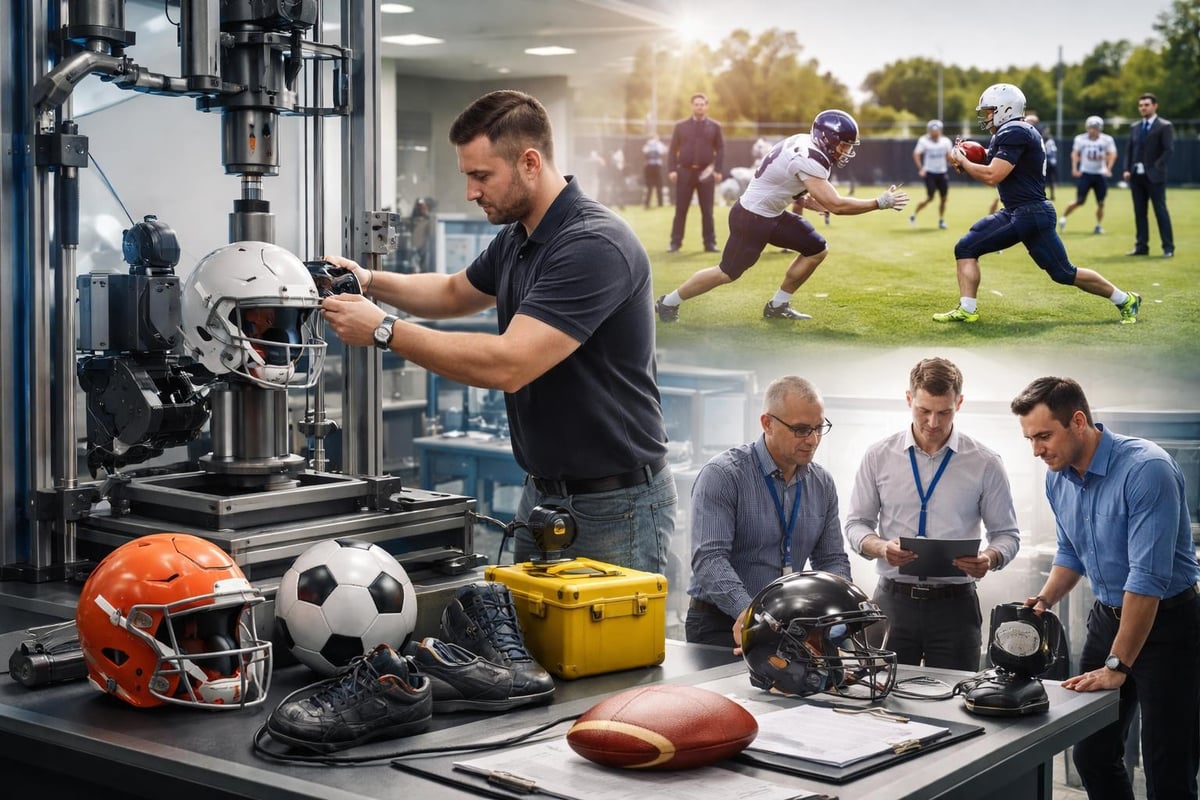
Reputable manufacturers subject professional sports equipment to comprehensive testing beyond minimum certification requirements. These protocols evaluate equipment performance under conditions exceeding normal use parameters, ensuring reliability during intensive training and competition. Sports equipment testing services provide independent verification of quality, safety, and compliance with sport standards.
Testing encompasses multiple dimensions including structural integrity under maximum load conditions, material resistance to environmental degradation, component durability through repeated use cycles, and safety feature functionality across operational ranges. Professional fitness and training equipment undergoes accelerated wear testing that simulates years of use, identifying potential failure points before products reach market.
Field Testing and Real-World Validation
Laboratory testing provides baseline performance data, but field validation confirms equipment functionality under actual playing conditions. Manufacturers partner with athletic programs to conduct extended trials that reveal insights impossible to capture in controlled environments. This collaboration between engineers and coaches produces equipment refinements that address practical challenges encountered during daily use.
Surface compatibility represents another critical testing dimension. Field health and safety systems emphasize the importance of proper equipment interaction with playing surfaces to protect athletes and ensure compliance standards. Goal anchoring systems must function safely across various field conditions, while training equipment requires stable operation on both natural turf and synthetic surfaces.
Market Trends and Equipment Innovation
The sports equipment industry continues evolving through technological advancement and changing athlete needs. Current market trends highlight the shift toward sustainable products, personalization options, and integration of smart technologies. Professional sports equipment manufacturers respond to these trends while maintaining core commitments to safety, performance, and durability.
Sustainability initiatives influence material selection and manufacturing processes. Recycled materials, eco-friendly coatings, and energy-efficient production methods gain prominence without compromising equipment performance standards. This evolution reflects growing environmental awareness among schools and sports organizations seeking to align procurement decisions with institutional values.
Customization capabilities expand beyond traditional logo application and color selection. Teams now access equipment configured to specific training philosophies, facility dimensions, and athlete demographics. This trend toward personalized solutions enables programs to optimize equipment investments around unique requirements rather than adapting programs to standardized equipment specifications.
Procurement Strategies for Athletic Programs
Strategic equipment procurement balances immediate needs against long-term program development objectives. Team sales programs offer volume pricing advantages while ensuring equipment consistency across roster needs. Coordinating purchases around budget cycles, seasonal requirements, and facility improvements maximizes available funding effectiveness.
Equipment replacement scheduling prevents simultaneous obsolescence across multiple categories. Staggered replacement cycles maintain equipment reliability while distributing costs over extended periods. This approach proves particularly valuable for programs managing tight budgets where unexpected equipment failures create financial strain.
Quality verification before purchase protects against substandard products and ensures equipment meets program requirements. Requesting certification documentation, warranty terms, and replacement part availability information helps evaluate manufacturers objectively. Programs benefit from establishing relationships with suppliers demonstrating expertise in professional sports equipment and understanding specific sport requirements.
Budget Optimization Techniques
Smart procurement extends budgets without compromising quality:
- Prioritize safety-critical equipment for professional-grade investment while accepting recreational alternatives for non-critical applications
- Leverage volume purchasing through conference affiliations or district consortiums
- Schedule purchases strategically around manufacturer promotions and seasonal pricing cycles
- Compare total ownership costs rather than focusing exclusively on initial pricing
- Explore equipment leasing for expensive items requiring periodic technology updates
Programs serving multiple sports benefit from cross-utilization strategies where appropriate. Field and facility equipment like line marking systems, storage solutions, and transportation carts support various sports, distributing costs across broader program use. Similarly, hydration and cooling equipment serves all athletic programs regardless of specific sport.
Maintenance and Equipment Lifespan Extension
Professional sports equipment requires systematic maintenance to deliver expected performance throughout its functional lifespan. Establishing preventive maintenance protocols protects equipment investment while ensuring athlete safety. Regular inspection identifies emerging issues before they compromise equipment functionality or create safety hazards.
Seasonal maintenance schedules align with sport-specific calendars. Pre-season inspections verify equipment readiness before intensive use begins. Mid-season checks address wear patterns developing during regular use. Post-season maintenance includes cleaning, minor repairs, and protective storage preparation. This systematic approach prevents minor issues from escalating into expensive repairs or premature replacement needs.
Documentation systems tracking maintenance activities, repair history, and performance issues provide valuable insights for future procurement decisions. Programs identify which equipment delivers promised durability and which products underperform relative to expectations. This data informs replacement specifications and supplier selection for subsequent purchases.
Common Maintenance Requirements
Different equipment categories demand specific maintenance attention:
- Goal systems: Anchor inspection, net replacement, frame alignment verification, hardware tightening
- Training machines: Motor service, ball delivery mechanism cleaning, electronic component testing, tire/wheel maintenance
- Protective equipment: Padding compression testing, strap integrity inspection, shell crack detection, fitting adjustment
- Court/field equipment: Net tension adjustment, pole stability verification, surface attachment inspection, weather damage assessment
- Storage and transport equipment: Wheel bearing lubrication, latch functionality, structural integrity checks, rust prevention
Professional sports equipment manufacturers typically provide detailed maintenance guidelines specifying recommended service intervals, replacement part schedules, and storage requirements. Following these protocols preserves warranty coverage while optimizing equipment performance and longevity.
Safety Compliance and Liability Considerations
Athletic programs maintain legal and ethical obligations to provide safe equipment for participants. Using certified professional sports equipment demonstrates due diligence in fulfilling these responsibilities. Equipment lacking proper certification exposes programs to liability risks should injuries occur during use.
Documentation proving equipment certification, proper installation, appropriate maintenance, and regular safety inspections creates essential legal protection. Programs should maintain comprehensive records including purchase receipts, certification documents, maintenance logs, and inspection reports. This documentation demonstrates organizational commitment to athlete safety and equipment standards compliance.
Emerging safety research continues revealing new insights about injury prevention and equipment effectiveness. Recent studies like biomechanical comparisons of concussion events in contact sports highlight how equipment design influences injury outcomes. Staying informed about evolving safety standards enables programs to make proactive equipment decisions protecting athlete welfare.
Regular equipment audits verify continued compliance with current safety standards. Certification requirements sometimes change as research advances understanding of injury mechanisms and prevention strategies. Equipment meeting standards at purchase may require upgrades or replacement as requirements evolve. Proactive compliance management prevents situations where outdated equipment creates unnecessary risk.
Sport-Specific Equipment Requirements
Each sport presents unique equipment specifications reflecting its particular demands, rules, and safety considerations. Understanding these sport-specific requirements ensures procurement decisions align with competitive standards and athlete development needs. Basketball equipment specifications differ substantially from volleyball requirements, necessitating specialized knowledge for effective equipment selection.
Contact sports demand more extensive protective equipment meeting stringent impact resistance standards. Rugby equipment emphasizes shoulder padding, headgear, and mouthguards designed for collision sports. Football requires comprehensive protective systems including helmets, shoulder pads, and specialized position equipment.
Individual skill sports prioritize precision and consistency in training equipment. Tennis ball machines must deliver accurate ball placement at varying speeds and spins to develop stroke mechanics effectively. Cricket machines require similar precision for bowling simulation during practice sessions.
Field dimensions and facility constraints influence equipment selection significantly. Permanent soccer goals suit dedicated fields with consistent usage patterns, while portable alternatives provide flexibility for multi-use facilities. Understanding these operational considerations prevents purchasing equipment unsuited to actual program requirements.
Selecting professional sports equipment requires balancing safety standards, performance capabilities, durability expectations, and budget realities to support athlete development effectively. Athletic programs investing in certified, quality equipment demonstrate commitment to participant safety while creating training environments that foster skill advancement and competitive success. Sideline Sport Supply specializes in providing game-day-ready professional sports equipment backed by straightforward pricing and fast fulfillment, helping coaches, schools, and sports organizations spend less time sourcing gear and more time developing athletes. Explore our comprehensive selection of certified equipment designed to meet the demanding requirements of competitive athletic programs.