

Indoor Field Hockey Equipment Guide: Essentials for 2026
The fast-paced and technical world of indoor field hockey demands gear designed for both performance and protection. As the 2026 season approaches, athletes and coaches are looking for the latest updates in indoor field hockey equipment to stay ahead of the competition.
This guide is your go-to source for understanding every essential piece of gear. Whether you are a seasoned player or new to the sport, you will find expert advice on selecting the right equipment, maintaining your investment, and adapting to the latest trends.
Read on to discover the must-have gear for indoor play in 2026. We will cover sticks, shoes, protective gear, balls, apparel, maintenance tips, and the innovations shaping the future of the sport.
Understanding Indoor Field Hockey: Rules and Equipment Differences
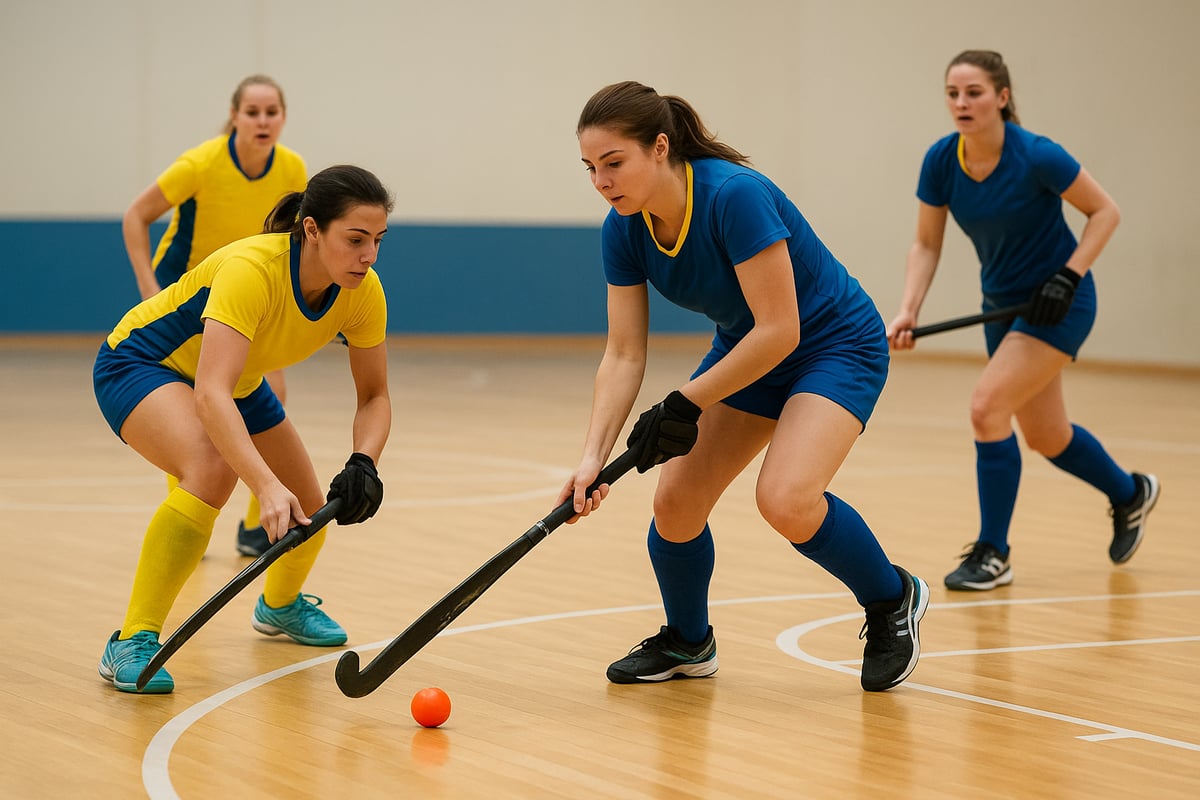
Indoor field hockey is unique for its rapid tempo and technical demands. The smaller court and controlled environment make every piece of indoor field hockey equipment critical for both performance and safety.
The Unique Demands of Indoor Field Hockey
Indoor games are played on a much smaller surface, which leads to a noticeably faster pace. Players must master agility and deliver quick, precise passes. Because the action is so intense, player rotations and substitutions happen more frequently than in outdoor matches.
These features mean that indoor field hockey equipment is designed to support fast reactions and close control. The right gear can make a significant difference in a player’s ability to keep up with the tempo.
Key Equipment Differences from Outdoor Hockey
Indoor field hockey equipment differs in several important ways:
- Sticks: Lighter and thinner for quick ball movement
- Balls: Designed for smooth, low-bounce play
- Shoes: Non-marking soles for indoor courts
These differences help players adapt to the faster, more technical indoor game. Choosing the proper indoor field hockey equipment ensures both safety and peak performance indoors.
Safety Considerations and Required Gear
Safety is a top concern in indoor play due to the close quarters and fast shots. The basic indoor field hockey equipment includes:
- Mouthguards for dental protection
- Shin guards with slimmer profiles
- Gloves to reduce hand injuries
Optional gear such as goggles and face masks for penalty corners is increasingly popular. Proper use of safety-focused indoor field hockey equipment can help reduce injury risks for all players.
Regulatory Standards for 2026
Governing bodies like the FIH and national federations enforce strict standards for indoor field hockey equipment. These regulations address materials, stick lengths, and safety certifications. For the latest requirements, refer to the FIH Approved Field Equipment Standards.
Staying up to date with these rules is essential for both players and coaches as they prepare for the 2026 season.
Player Position Equipment Variations
Equipment needs can vary by position. Field players typically use lighter sticks and minimal padding for agility, while goalkeepers require extensive protection, including helmets, leg guards, and padded gloves.
Both youth and adult divisions must follow age-appropriate guidelines for indoor field hockey equipment. Coaches should ensure every player is properly outfitted for their role and age group.
Example: Comparing 2026 Indoor and Outdoor Stick Specs
The table below highlights key differences between indoor and outdoor sticks for 2026:
| Feature | Indoor Stick | Outdoor Stick |
|---|---|---|
| Weight | 400-500g | 500-650g |
| Shaft Width | Thinner | Thicker |
| Materials | Composite, Wood | Composite, Wood |
| Head Shape | Flatter | More Curved |
Selecting the right stick from available indoor field hockey equipment can improve control and reduce fatigue during matches.
Insights on Equipment Trends
Recent trends show a shift toward lightweight, composite materials in indoor field hockey equipment. Brands are focusing on ergonomic designs and improved protective features.
As technology advances, expect more gear that enhances comfort and safety. Staying informed about these trends helps players and teams make the best equipment choices for future seasons.
Essential Indoor Field Hockey Sticks for 2026
Selecting the right stick is at the heart of any indoor field hockey equipment setup. The unique environment of indoor play, with its speed and technical demands, requires sticks that balance agility, control, and durability. Let’s break down what makes an indoor stick stand out in 2026 and how to make the best choice for your needs.
Anatomy of an Indoor Field Hockey Stick
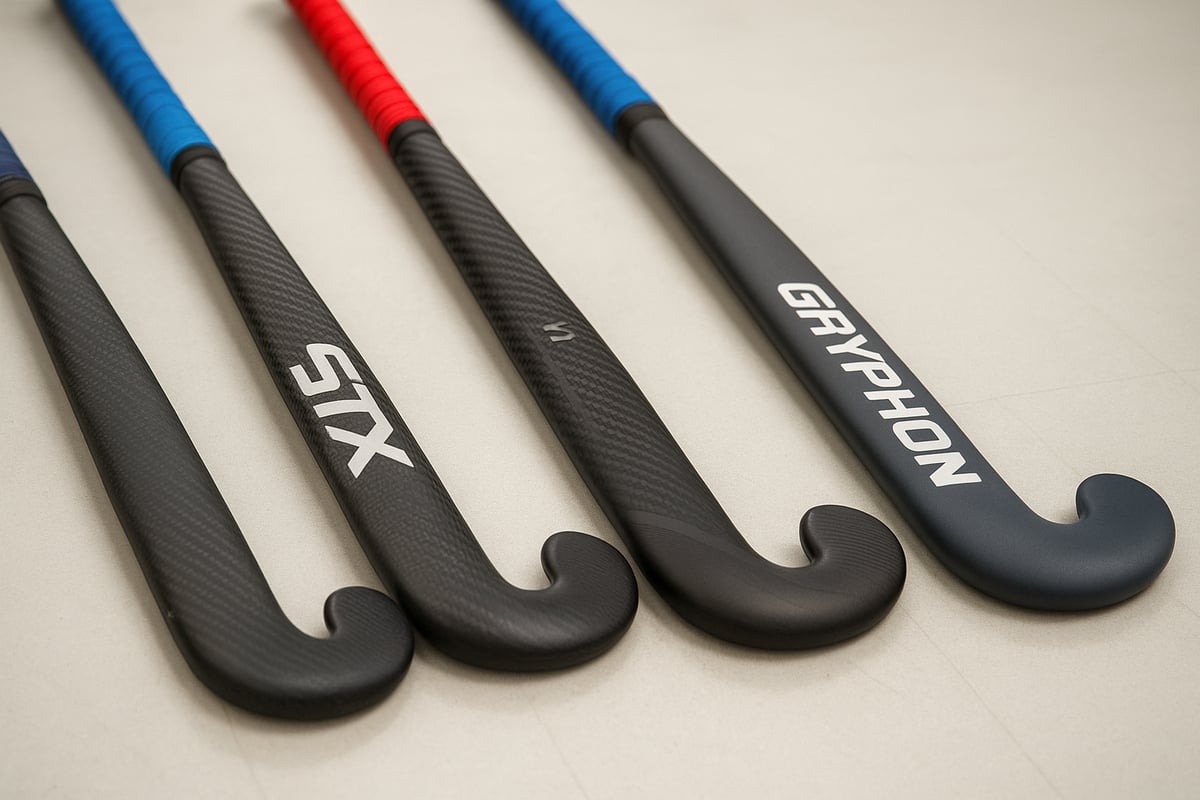
Indoor field hockey sticks are engineered for rapid ball movement and close control. Compared to outdoor sticks, indoor versions feature a thinner shaft, lighter overall weight, and a flatter head. This design allows players to execute quick passes and dribbles essential in the smaller, faster indoor arena.
Materials play a significant role in performance. Modern sticks are crafted using wood, fiberglass, or carbon composites. Each material impacts feel, weight, and durability. For example:
| Material | Pros | Cons |
|---|---|---|
| Wood | Excellent touch, affordable | Less power, heavier |
| Fiberglass | Lightweight, flexible | Can wear faster |
| Carbon Comp. | Powerful, durable, stiff | Higher cost, less flex |
Understanding these differences is crucial when assembling your indoor field hockey equipment.
Choosing the Right Stick for Your Play Style
Your playing style and position influence which indoor field hockey equipment will serve you best. Attackers may prefer lighter, highly flexible sticks for speed, while defenders often opt for stiffer models to maximize power during interceptions.
Stick length is also critical. For most players, the stick should reach just below the hip bone when standing. Balance and grip thickness can affect comfort and control, so test different options if possible.
For a more detailed breakdown of stick features and selection strategies, visit the True hockey sticks guide, which offers in-depth comparisons and advice tailored to indoor field hockey equipment needs.
Top Indoor Stick Brands and Models for 2026
Several brands dominate the indoor field hockey equipment market in 2026. Grays, TK, Gryphon, Ritual, and Osaka continue to innovate, offering sticks with advanced composite blends and ergonomic handles.
New releases this year focus on ultra-lightweight carbon models and reinforced fiberglass options. Top sellers include the Grays GR Indoor Pro, TK Total Three 3.2, and Ritual Velocity 2026. Each model brings unique features, so review product specifications and user feedback before making your selection.
Stick Care and Maintenance Tips
Proper maintenance extends the life of your indoor field hockey equipment and optimizes performance. Clean your stick regularly with a damp cloth to remove dust and residue. Replace grips when they become slippery or worn, as a secure grip is vital for control.
Store sticks in a dry, cool place to prevent warping. Regularly inspect for cracks or splinters, especially after intense matches. If you notice signs of damage, consider repair or replacement to maintain safety and effectiveness.
- Wipe down after each use
- Replace grips seasonally
- Store horizontally in a ventilated bag
- Inspect for wear monthly
Customization and Accessories
Personalizing your indoor field hockey equipment boosts comfort and team spirit. Popular grip types include chamois for moisture absorption and cushioned grips for extra padding. End caps can be swapped for better shock absorption or color coordination.
Stick bags protect your gear during transport and may offer compartments for shoes and accessories. Many brands now offer personalization options, such as custom colors, name engraving, or team logos, allowing players to stand out on the court.
Example: Stick Selection for Youth vs. Adult Players
Selecting the right indoor field hockey equipment for different age groups is essential for safety and development. Youth players require shorter, lighter sticks to accommodate their height and strength. The following table offers general sizing guidelines:
| Player Height (cm) | Stick Length (inches) |
|---|---|
| Under 120 | 28–30 |
| 120–137 | 32 |
| 137–152 | 34 |
| 152–165 | 36.5 |
| 165+ | 37.5+ |
Adults often prefer longer sticks for reach and power, but comfort should always guide the final choice. Test several sizes to ensure the indoor field hockey equipment matches the player’s skill level and physical needs.
Data Point: Market Trends in Indoor Stick Sales (2024-2026)
Between 2024 and 2026, there has been a notable increase in the adoption of composite sticks within indoor field hockey equipment sales. Players are gravitating toward carbon and fiberglass blends for their lightweight feel and enhanced power.
The average price range has also risen, reflecting advanced materials and new technologies. Composite sticks now account for over 60% of sales, signaling a shift in player preferences. Keeping up with these trends helps ensure your indoor field hockey equipment remains competitive and future-ready.
Footwear and Apparel: Maximizing Performance Indoors
Selecting the right footwear and apparel plays a crucial role in optimizing your indoor field hockey equipment setup. Every detail, from shoe grip to fabric technology, contributes to performance and injury prevention. Let us explore the essentials that will keep you agile, comfortable, and compliant with the latest indoor field hockey standards.
Importance of Proper Indoor Shoes
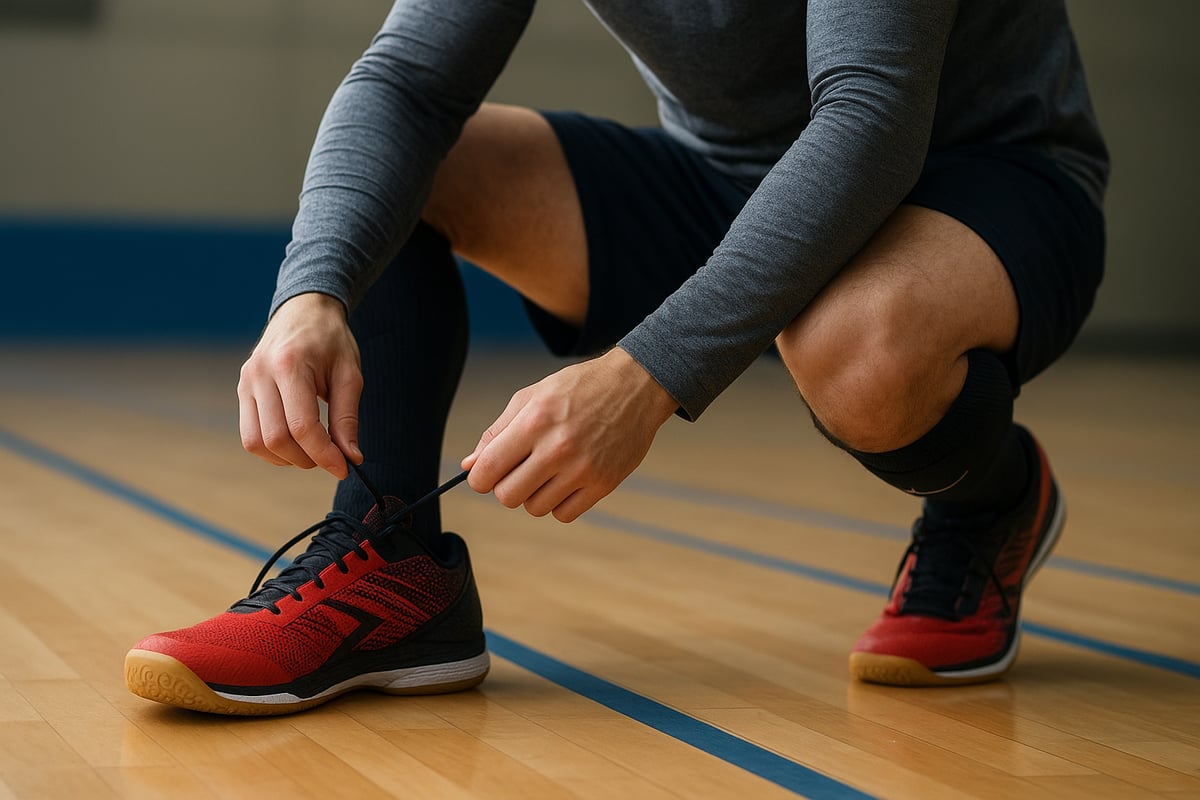
Proper footwear is the foundation of effective indoor field hockey equipment. Indoor shoes feature non-marking rubber soles, designed to provide maximum traction without damaging court surfaces. This grip is essential for quick directional changes and stability during play.
Quality indoor shoes also offer advanced cushioning for shock absorption and ankle support, reducing fatigue over long matches. Lightweight construction enables fast footwork, which is vital for the fast-paced nature of indoor games.
Investing in shoes specifically engineered for indoor field hockey equipment ensures you are prepared for the demands of the 2026 season.
Leading Indoor Shoe Models for 2026
When evaluating indoor field hockey equipment, leading brands like Adidas, Asics, Mizuno, and Grays stand out for their innovation and durability. For 2026, top models emphasize breathability, with mesh uppers and moisture-wicking linings to keep feet dry.
Key features to consider include:
- Superior grip patterns for multi-directional movement
- Reinforced toe areas for extra protection
- Lightweight midsoles for enhanced agility
A comparison table can help you assess which indoor field hockey equipment best suits your needs. Prioritize fit and in-game comfort when making your selection.
Apparel Essentials for Indoor Field Hockey
Essential apparel for indoor field hockey equipment includes moisture-wicking shirts, shorts or skirts, and comfortable base layers. These garments help regulate temperature and manage sweat, keeping players focused during intense matches.
Socks are designed to pair seamlessly with shin guards, preventing slippage and blisters. For the latest innovations in sports apparel, explore advancements in sports cooling and apparel innovations that enhance comfort and performance.
Choosing high-quality indoor field hockey equipment in apparel ensures players remain cool, dry, and unrestricted on the court.
Apparel Regulations and Team Uniform Guidelines
Indoor field hockey equipment must comply with FIH and league-specific regulations regarding apparel. Uniforms should display team colors and clearly visible numbers for identification.
Safety is prioritized, with rules mandating that all gear, including apparel, avoids loose accessories that could cause injury. Teams must also ensure that uniforms accommodate protective gear such as shin guards and mouthguards.
Adhering to these guidelines helps maintain a professional image and ensures eligibility for official competitions.
Example: Choosing Shoes for Different Foot Types
Selecting the right indoor field hockey equipment for your foot type can prevent discomfort and injuries. Players with wide feet should seek models with a spacious toe box, while those with narrow feet benefit from snug, form-fitting designs.
For high-arch feet, shoes with enhanced arch support and cushioning are ideal. Trying on multiple pairs and consulting with specialists can help you find the best fit for your unique needs.
Proper shoe selection is a key component of your overall indoor field hockey equipment strategy.
Caring for Footwear and Apparel
Maintaining your indoor field hockey equipment extends its lifespan and ensures peak performance. Clean shoes and apparel after each session, using mild detergents and air drying to preserve materials.
Store gear in a ventilated bag to prevent odor and mold buildup. Rotate socks and base layers regularly for hygiene and comfort.
With consistent care, your indoor field hockey equipment will remain in top condition, ready for every match and training session.
Protective Gear: Safety First in Indoor Play
Staying safe is non-negotiable in modern indoor field hockey equipment selection. As the game evolves, so do the demands on protective gear. Players, coaches, and parents must understand what to look for in each piece, from shin guards to face masks, to ensure peak performance and peace of mind.
Shin Guards: Indoor-Specific Features
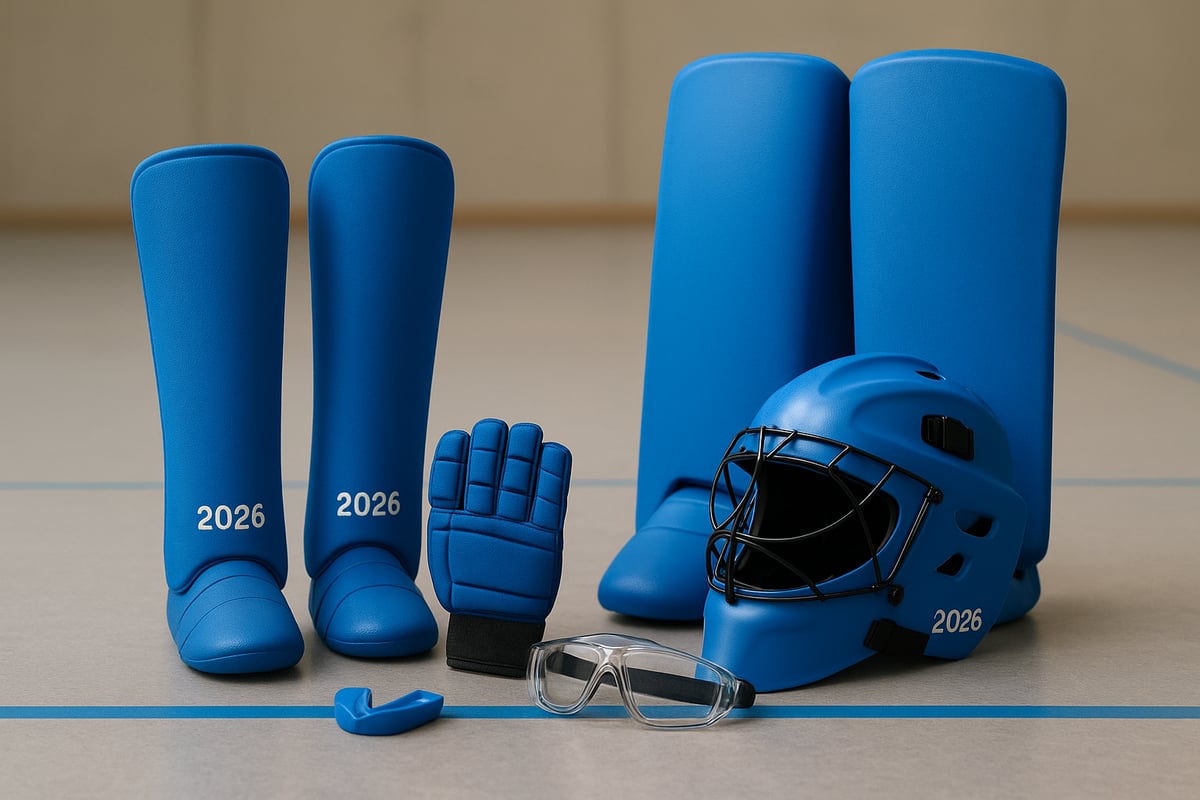
Shin guards are foundational to any indoor field hockey equipment checklist. Unlike outdoor models, indoor shin guards have a slimmer profile, which supports quick footwork and agility. Look for reinforced impact zones along the shin and ankle, as these absorb the brunt of ball and stick contact.
The perfect fit is crucial. Shin guards should cover the entire shin without restricting movement or causing discomfort. Many brands now offer contoured designs and moisture-wicking linings for added comfort during intense matches. Remember, well-fitted shin guards are often the first line of defense in injury prevention.
Gloves and Hand Protection
Hand injuries can sideline players for weeks, making gloves a vital part of indoor field hockey equipment. The left hand, which leads on the stick, requires a glove with both padding and grip texture for stick control. Modern gloves use high-density foam, flexible wrist closures, and ventilated materials to balance safety with comfort.
Players should select gloves that allow finger mobility while offering knuckle and palm protection. For those who sweat heavily, gloves with mesh ventilation help maintain a dry grip. Choosing the right glove can enhance stick handling and reduce the risk of abrasions or fractures.
Mouthguards and Face Protection
Mouthguards are a mandatory component of indoor field hockey equipment. Options include boil-and-bite, custom-molded, and even flavored models. The best mouthguards provide a snug fit, allowing players to communicate while shielding teeth and gums.
Face masks have become standard during penalty corners, with regulations evolving for 2026. New rules require all players defending penalty corners to wear certified protective masks. For more details on these requirements, refer to Mandatory Face Masks for Penalty Corners. Proper face protection helps prevent serious facial injuries and is a must-have for competitive play.
Optional Safety Gear: Goggles and Protective Eyewear
Some athletes choose to add goggles or protective eyewear to their indoor field hockey equipment. While not universally required, many leagues recommend them for additional eye and orbital protection. Modern goggles are lightweight, anti-fog, and designed for unobstructed vision.
Goggles are especially popular among youth players and those returning from facial injuries. They can reduce the risk of eye trauma from deflections or accidental stick contact. When selecting eyewear, ensure it is compliant with your league’s safety standards.
Goalkeeper-Specific Protective Equipment
Goalkeepers have the most specialized indoor field hockey equipment needs. Their gear set includes helmets with face cages, chest protectors, padded shorts, leg guards, kickers, and hand pads. Indoor goalie gear is typically lighter and less bulky than outdoor versions, prioritizing quick reflexes and mobility.
A well-fitted helmet with a secure chin strap is non-negotiable for head protection. Leg guards and kickers should allow for lateral movement without gaps. Investing in certified, high-quality goalie gear greatly reduces the risk of severe injuries for keepers at all levels.
Example: Injury Statistics and the Impact of Proper Gear
Recent injury data highlights the importance of using certified indoor field hockey equipment. Studies show that updated shin guards and gloves have lowered the incidence of lower limb injuries by up to 30 percent in youth leagues. Similarly, the introduction of mandatory face masks during penalty corners has significantly decreased facial injuries.
Proper gear does not just prevent major accidents, it also reduces minor abrasions and bruises that can accumulate over a season. Consistent use and correct fit are critical for maximizing these protective benefits.
Innovations in Protective Gear for 2026
The future of indoor field hockey equipment is defined by innovation. New shin guards and gloves now use advanced impact-absorbing foams that remain lightweight. Antimicrobial linings are gaining traction, helping prevent odor and bacterial growth.
Custom-fit gear is also on the rise, with some brands offering 3D scanning for personalized protection. As regulations evolve, expect further integration of smart materials and ergonomic designs that set new standards for both safety and comfort.
Indoor Field Hockey Balls and Training Accessories
Selecting the right indoor field hockey equipment is crucial for both performance and safety on the court. From precision-engineered balls to advanced training aids, every piece of gear shapes your experience and development as a player. Let us explore the latest innovations and best practices for 2026.
Indoor Hockey Ball Specifications
Indoor field hockey equipment standards for balls are set to ensure consistency and safety in play. The official indoor ball is smaller and lighter than its outdoor counterpart, typically weighing 46-50 grams with a smooth, seamless surface. Size regulations require a diameter of 71-74 mm, allowing for rapid movement across indoor floors.
Materials used for these balls are generally PVC or polyurethane, providing a firm yet responsive feel. Visibility is enhanced with bright colors, such as white, orange, or yellow, to stand out against indoor surfaces. For those preparing for official tournaments, consult the 2026 National Indoor Tournament Details for up-to-date equipment requirements.
Top-Rated Indoor Balls for 2026
The indoor field hockey equipment market features several standout ball models for 2026. Brands like Dita, Grays, and Kookaburra offer balls designed for durability, low bounce, and optimal control. When choosing a ball, prioritize models with high-contrast colors and textured finishes for better grip and visibility.
A comparison table helps highlight key differences:
| Brand | Model | Weight (g) | Color Options | Key Feature |
|---|---|---|---|---|
| Grays | Indoor Elite | 48 | White, Orange | Seamless shell |
| Kookaburra | Precision Pro | 49 | Yellow, Pink | Enhanced grip |
| Dita | Turbo Indoor | 47 | Orange, White | Consistent roll |
Selecting the right ball as part of your indoor field hockey equipment ensures consistent play and meets league standards.
Training Accessories for Skill Development
Developing advanced skills requires more than just a ball and stick. Essential indoor field hockey equipment includes training accessories like agility ladders, cones, rebound boards, and passing walls. These tools help improve footwork, ball control, and reaction time.
- Agility ladders: Boost coordination and speed.
- Rebound boards: Practice quick passes and first-touch skills.
- Cones: Set up dribbling and positioning drills.
Incorporating these accessories into your practice routine can elevate both individual and team performance, making your overall indoor field hockey equipment setup more effective.
Ball Maintenance and Storage Tips
Proper care extends the lifespan of your indoor field hockey equipment. Always clean balls after use with a damp cloth to remove dust and sweat. Store them in a cool, dry place to prevent warping or material breakdown.
Avoid exposure to direct sunlight or extreme temperatures, as this can cause the ball to lose shape or grip. Using breathable mesh bags for transport ensures air circulation and helps maintain quality. Regular inspection for cracks or surface wear is key to safe play and reliable performance from your indoor field hockey equipment.
Example: Using Training Balls for Drills
Different types of training balls can target specific skills. Lightweight balls are ideal for speed drills, while slightly heavier models help build control and strength. Coaches often use colored balls to focus on quick decision-making and passing accuracy.
Elite clubs report increased adoption of specialized training accessories, reflecting a commitment to comprehensive skill development. By integrating a variety of balls and tools, players can simulate match scenarios and sharpen their competitive edge.
Equipment Care, Maintenance, and Storage Solutions
Keeping your indoor field hockey equipment in top condition is essential for safety and performance. Proper care routines not only extend the life of your gear but also help you avoid unexpected issues during training or matches.
Cleaning and Disinfecting Gear
Regular cleaning of your indoor field hockey equipment prevents odor, bacteria buildup, and material breakdown. Wipe sticks and shoes after each session, and use a mild disinfectant on gloves, shin guards, and mouthguards.
For detailed maintenance techniques, consult Fitness and sports equipment tips to maximize hygiene and gear longevity.
Storage Solutions for Teams and Individuals
Organized storage protects your indoor field hockey equipment from damage and loss. Use ventilated gear bags and stick bags to prevent moisture buildup.
Dedicate locker space for each player and label all gear for easy identification. During travel, secure your equipment in padded compartments to avoid accidental impact.
Inspecting Gear for Wear and Safety
Frequent inspection ensures your indoor field hockey equipment remains safe to use. Check for cracks in sticks, worn grips, and loose stitching on gloves or bags.
Replace any compromised padding, and do not ignore frayed straps or broken fasteners. Prompt repairs can prevent injuries and extend gear lifespan.
Offseason Storage and Preparation
When the season ends, clean and dry all indoor field hockey equipment before storage. Store items in a cool, dry place away from direct sunlight to prevent material breakdown.
Consider using silica gel packs in bags to absorb excess moisture. Loosen shoelaces and straps to maintain shape and avoid stress on fabrics.
Example: Creating a Maintenance Checklist
A maintenance checklist streamlines care routines for indoor field hockey equipment:
- Wipe down sticks and shoes after every session
- Wash mouthguards and gloves weekly
- Inspect all gear for damage monthly
- Store equipment in ventilated bags
- Replace worn-out items as needed
Following a checklist ensures nothing is overlooked throughout the season.
Environmental Considerations
Opt for eco-friendly cleaning products and biodegradable wipes when maintaining indoor field hockey equipment. Recycle old sticks, balls, and apparel through manufacturer take-back programs or local sports shops.
Sustainable disposal helps protect the environment and keeps your commitment to the game responsible.
Trends and Innovations in Indoor Field Hockey Equipment for 2026
The landscape of indoor field hockey equipment is evolving rapidly as manufacturers and athletes push for performance, safety, and sustainability. As we look toward 2026, a wave of new technologies and consumer-driven trends is reshaping the gear you’ll see on the court. Staying up to date with the latest advancements ensures you are always equipped for optimal results.
Advances in Stick Technology
Recent years have seen indoor field hockey equipment manufacturers introduce lighter, more responsive sticks made from cutting-edge composites. Carbon fiber blends and new resin matrices reduce weight without sacrificing strength, delivering improved ball control and rapid maneuverability.
Many 2026 sticks now feature ergonomic handles designed for comfort and grip. Some brands are even integrating smart sensors into stick shafts to track metrics such as swing speed and shot accuracy. This data-driven approach helps players refine their technique and maximize efficiency on the court.
Protective Gear Innovations
Innovation in protective gear is revolutionizing indoor field hockey equipment, prioritizing both safety and comfort. New impact-absorbing foams offer superior shock absorption while staying slim and lightweight, catering to the high-speed nature of indoor play.
Manufacturers are also adding antimicrobial linings to gloves, shin guards, and mouthguards, reducing odor and bacteria buildup. Wearable tech is emerging, with some gear featuring sensors that monitor impact force, alerting players and coaches to potential injury risks and supporting safer gameplay.
Apparel and Shoe Developments
Apparel and footwear are not left behind in the evolution of indoor field hockey equipment. The latest uniforms use smart fabrics that actively regulate temperature and wick away sweat, keeping athletes comfortable during intense matches. These materials are lightweight, stretchable, and designed for maximum freedom of movement.
In footwear, adaptive cushioning and enhanced traction patterns are now standard. Top brands are engineering shoes that offer support for quick pivots and sprints, reducing injury risk and improving performance on smooth indoor surfaces.
Sustainable and Eco-Friendly Equipment Options
Sustainability is a growing focus in indoor field hockey equipment development. Leading brands are incorporating recycled materials into sticks, balls, and apparel. Many are rethinking packaging and manufacturing processes to lower their environmental footprint.
Innovative gear now includes biodegradable grip tapes, uniforms made from recycled polyester, and balls produced with eco-friendly plastics. These initiatives reflect a broader commitment to greener sports and a healthier planet for athletes and fans alike.
Data Point: Consumer Preferences in 2026
The demand for advanced indoor field hockey equipment is influenced by shifting consumer preferences. Athletes are seeking gear that balances high performance with comfort, durability, and technology integration. According to the Field Hockey Equipment Market Analysis, there is a clear rise in interest for multi-functional products and smart technology features.
Survey data from recent seasons highlights that players prioritize lightweight gear, ergonomic fit, and customizable options. This feedback is directly shaping the next generation of equipment, as manufacturers respond to the evolving needs of the indoor field hockey community.
The Role of Customization and Personalization
Customization is becoming a hallmark of indoor field hockey equipment. Teams and individual players are opting for personalized stick graphics, monogrammed bags, and tailored-fit protective gear. This attention to detail not only boosts team identity but also enhances comfort and confidence.
Options for grip types, stick shapes, and color schemes allow athletes to express their style and preferences. As technology advances, expect even more opportunities for bespoke equipment designed to match your playing style and personality.
Preparing for the Future: What’s Next in Indoor Field Hockey Equipment
Looking ahead, innovation in indoor field hockey equipment shows no signs of slowing. Expect further integration of smart sensors, eco-friendly materials, and adaptive apparel. Manufacturers are exploring new ways to enhance player safety, performance, and enjoyment.
To stay ahead, regularly monitor product releases and industry news. Engage with coaches, teammates, and retailers who follow emerging trends. By remaining informed, you can make future-ready purchases that keep you and your team at the forefront of the indoor game.