
Gymnastics Mat Guide: Choosing the Best Mat for 2026
Are you on the hunt for the ideal gymnastics mat to support your training and safety in 2026? Selecting the right gymnastics mat is crucial for both injury prevention and maximizing your performance during practice or competition. With so many mat types and features available, the choices can feel overwhelming for even experienced athletes and parents.
This expert guide is designed to simplify your decision, giving you the knowledge and confidence to choose a gymnastics mat that fits your goals. Read on for a comprehensive breakdown of mat types, the latest features, and trends shaping the market in 2026. Discover detailed comparisons, practical buying tips, and answers to your most common questions.
Understanding Gymnastics Mats: Types and Uses
Choosing the right gymnastics mat is essential for both safety and effective skill development. With many options available, understanding the main types and their uses helps you make informed decisions for your training or facility.
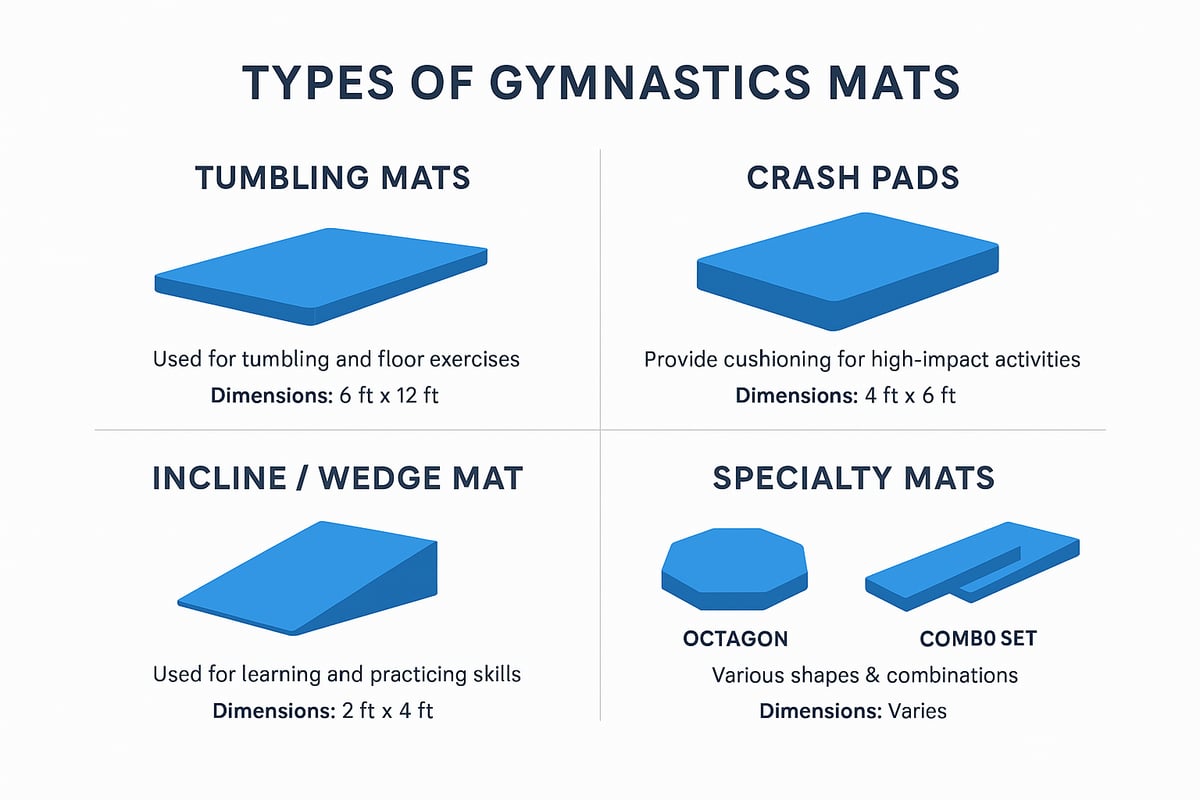
Tumbling Mats
A tumbling gymnastics mat is designed for basic floor skills, offering a cushioned surface for rolls, cartwheels, and handstands. These mats typically feature a foam core with a durable vinyl cover, ensuring comfort and resilience. Common sizes include 4' x 8' and 5' x 10', with thicknesses from 1.5" to 2".
Tumbling mats are popular in homes, gyms, and competitions due to their versatility. Most beginner to intermediate athletes start with this type, making it the most purchased gymnastics mat for those levels. Durability depends on cover material and stitching quality, so look for double-stitched seams and tear-resistant surfaces.
Crash Pads & Landing Mats
Crash pads and landing mats are engineered for high-impact absorption, making them vital for advanced training and safe dismounts. These mats often range from 4" to 12" thick, using dense foam for superior shock absorption. Both home and professional gyms use crash pads for tumbling passes, aerials, and landings.
Research shows crash pads can reduce injury risk by up to 50% during training. For more insights, explore these Gymnastics Injury Statistics. Many crash pads are foldable or feature carrying handles, allowing for easy transport and storage without sacrificing protection.
Incline/Wedge Mats (Cheese Mats)
An incline gymnastics mat, often called a cheese mat, supports skill progression by providing a sloped surface for drills. Typical dimensions range from 24" x 48" to larger sizes, with various slope angles. These mats are ideal for forward rolls, back walkovers, and vault training.
Preschool and youth programs frequently use incline mats to build confidence and teach safe movement patterns. The wedge shape doubles as a spotting platform, enhancing versatility. For beginners, this gymnastics mat offers essential safety benefits, reducing the risk of improper form or falls.
Specialty Mats: Octagons, Beams, and Combo Sets
Specialty gymnastics mat options, such as octagon trainers, beam mats, and combo sets, address specific skill needs. Octagon mats help athletes master handsprings and round-offs by supporting body shaping. Balance beam mats, available in foam or suede finishes, provide a safe surface for beam skills at home.
Combo sets integrate multiple mat types, creating comprehensive home gym setups. Octagon trainers are particularly effective for learning back handsprings, while multi-mat bundles are rising in popularity for their versatility and value. Choose specialty mats for tailored training, durability, and adaptability.
Key Features to Consider When Choosing a Gymnastics Mat
Selecting the right gymnastics mat involves more than just picking the first option you see. To ensure safety, performance, and long-term satisfaction, it is crucial to evaluate several key features. Let us break down the most important factors to help you make an informed decision.
Size and Thickness
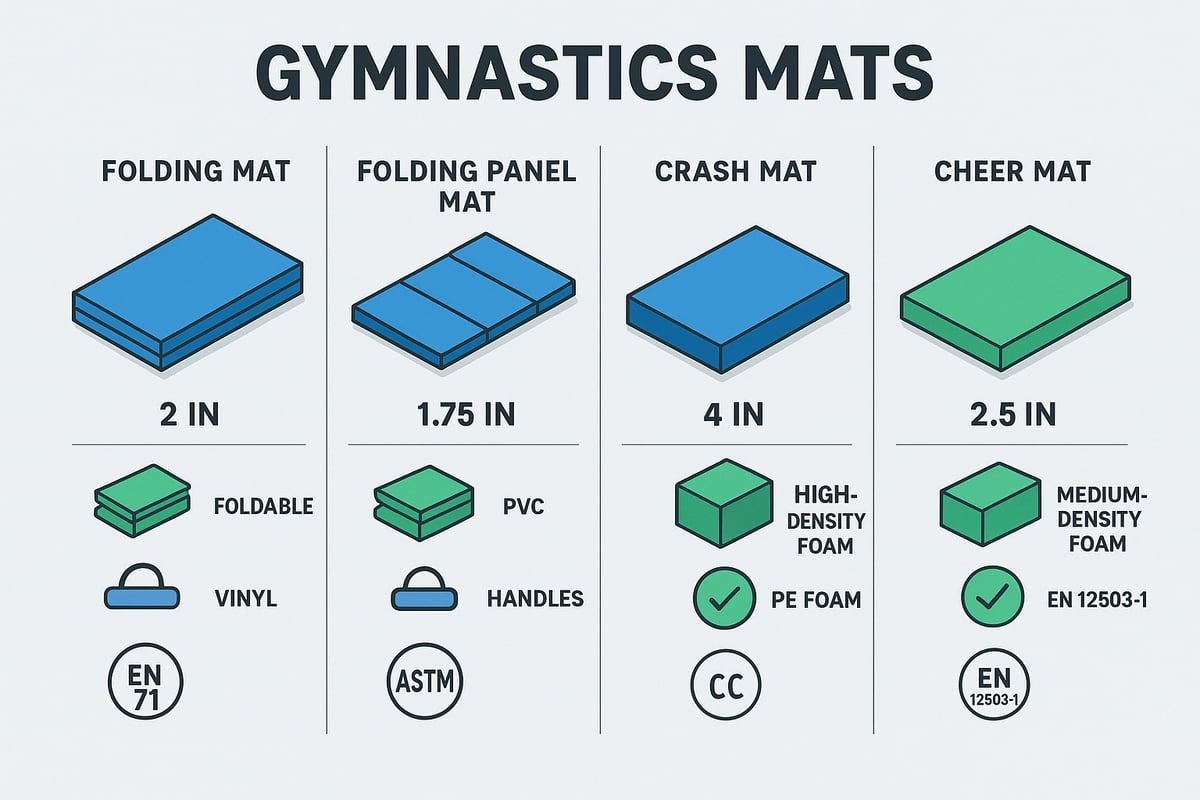
The size and thickness of your gymnastics mat directly impact safety and versatility. Common mat sizes include 4' x 8' and 5' x 10', which fit most home and gym spaces. Thickness options typically range from 1.5 inches for basic skills to 8 inches or more for crash pads.
| Use Case | Standard Size | Recommended Thickness |
|---|---|---|
| Home Practice | 4' x 8' | 2" |
| Tumbling | 5' x 10' | 2" – 4" |
| Landings | 5' x 10' | 8"+ |
Choose a gymnastics mat that matches both your available space and skill level. For general tumbling, a 2-inch mat is often sufficient, while advanced skills require thicker options. Most home users prefer mats that are at least 4' x 8' for adequate coverage and safety.
Material and Construction
The core materials used in a gymnastics mat determine its durability and shock absorption. High-density foam and cross-linked polyethylene are standard for reliable support. Covers are usually made from vinyl or faux leather, with reinforced stitching to prevent tears.
Look for mats with anti-slip backing to reduce movement during routines. Double-stitched seams increase longevity, especially for high-traffic use. For more on the benefits of foam density, visit High-Density Foam in Gymnastics Mats. Always check for environmental and safety certifications, and follow manufacturer guidelines for cleaning to maintain your gymnastics mat.
Portability and Storage
Portability is a key feature for many users, especially in home settings. Foldable gymnastics mats are widely favored due to their convenience, with 70% of home gymnasts choosing this style. Carrying handles make transport easier, and stackable designs save space in gyms or small apartments.
- Foldable mats: Simple to store under beds or in closets
- Handles: Useful for regular transport
- Stackability: Ideal for multi-mat setups
Tri-fold mats with handles are a great solution if you need to move your gymnastics mat frequently. Always consider the mat’s total weight and storage dimensions before purchasing.
Safety and Certifications
Safety should never be compromised when selecting a gymnastics mat. Opt for mats made from non-toxic, lead-free materials. Fire retardant and anti-microbial features can further protect users, especially in youth programs.
Verify that your mat complies with recognized standards like ASTM or CPSIA. Mats labeled as “child-safe” are ideal for young gymnasts. Slip resistance and effective shock absorption are critical for injury prevention. Manufacturer warranties often reflect a brand’s commitment to safety and quality, so review these terms carefully before making your final choice.
Step-by-Step Guide: How to Choose the Best Gymnastics Mat for 2026
Selecting the right gymnastics mat can feel overwhelming, but breaking the process down into simple steps ensures you choose a mat that meets your needs, fits your space, and provides the safety and performance you expect. Let’s walk through the essential considerations for making a confident purchase.
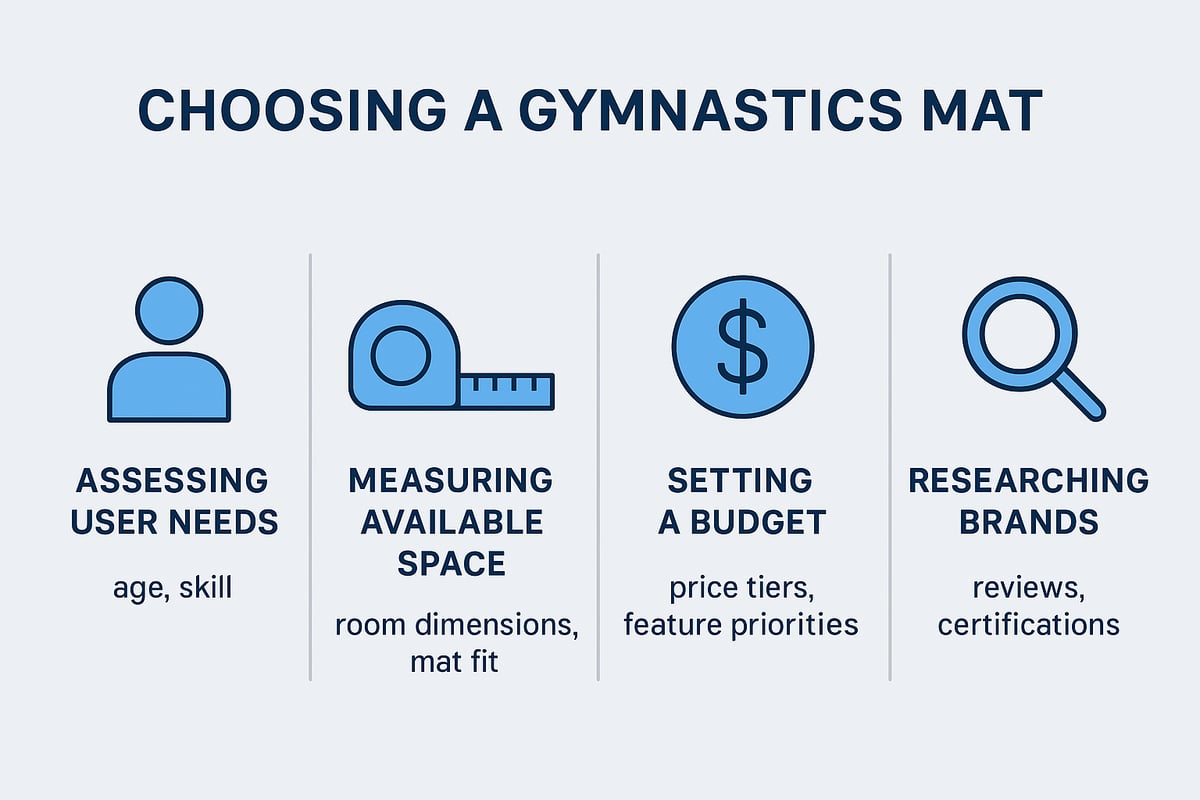
Step 1: Assess Your Needs and Skill Level
Begin by considering who will use the gymnastics mat and for what purpose. Are you shopping for a young child, a beginner, or an advanced gymnast? Your experience level and training goals will determine which mat type supports safe and effective practice.
For home use, basic tumbling mats suit beginners, while advanced athletes may require thicker crash pads for high-impact skills. If multiple people will use the mat, factor in their ages and abilities. Frequency and intensity of use also influence durability requirements.
Safety is paramount, especially for children. In fact, studies like this Pediatric Gymnastics-Related Injuries Study highlight how proper equipment selection, including the right gymnastics mat, can help minimize injury risks.
Step 2: Measure Your Space
Next, accurately measure the area where the gymnastics mat will be placed. Assess your available floor space, keeping in mind the need for open areas around the mat for safe movement.
Small apartments or homes with limited space benefit from foldable or modular mats that can be stored easily. Consider ceiling height if practicing skills that require vertical clearance.
For shared spaces, choose a mat that fits comfortably without crowding the room. Measuring in advance ensures your gymnastics mat will not only fit but also provide a dedicated training area.
Step 3: Set Your Budget and Prioritize Features
Establish a budget before browsing options. Gymnastics mats vary widely in price, from around $80 for basic models to $600 or more for advanced, competition-grade mats.
Identify the features that matter most to you, such as thickness, folding design, handles, or color. Combo sets may offer better value if you need multiple types of mats for different skills.
Balance cost with durability, warranty, and long-term value. A higher-quality gymnastics mat may require a larger initial investment but can save money by lasting longer and maintaining performance.
Step 4: Research Brands, Reviews, and Warranties
Finally, compare reputable brands and read user reviews to gain real-world insights into mat performance and quality. Look for brands that offer clear warranty terms and responsive customer service.
Safety certifications and compliance with industry standards are important indicators of commitment to user well-being. Mats with one to three-year warranties are common and provide peace of mind.
Consulting reviews helps identify potential issues and ensures your chosen gymnastics mat meets expectations for safety, comfort, and longevity.
Comparing the Top Gymnastics Mats for 2026
Choosing the right gymnastics mat in 2026 requires careful comparison of the best products on the market. Each type of mat offers unique benefits for different skill levels and training environments. Below, we break down the leading options across categories to help you make an informed decision for your training needs.
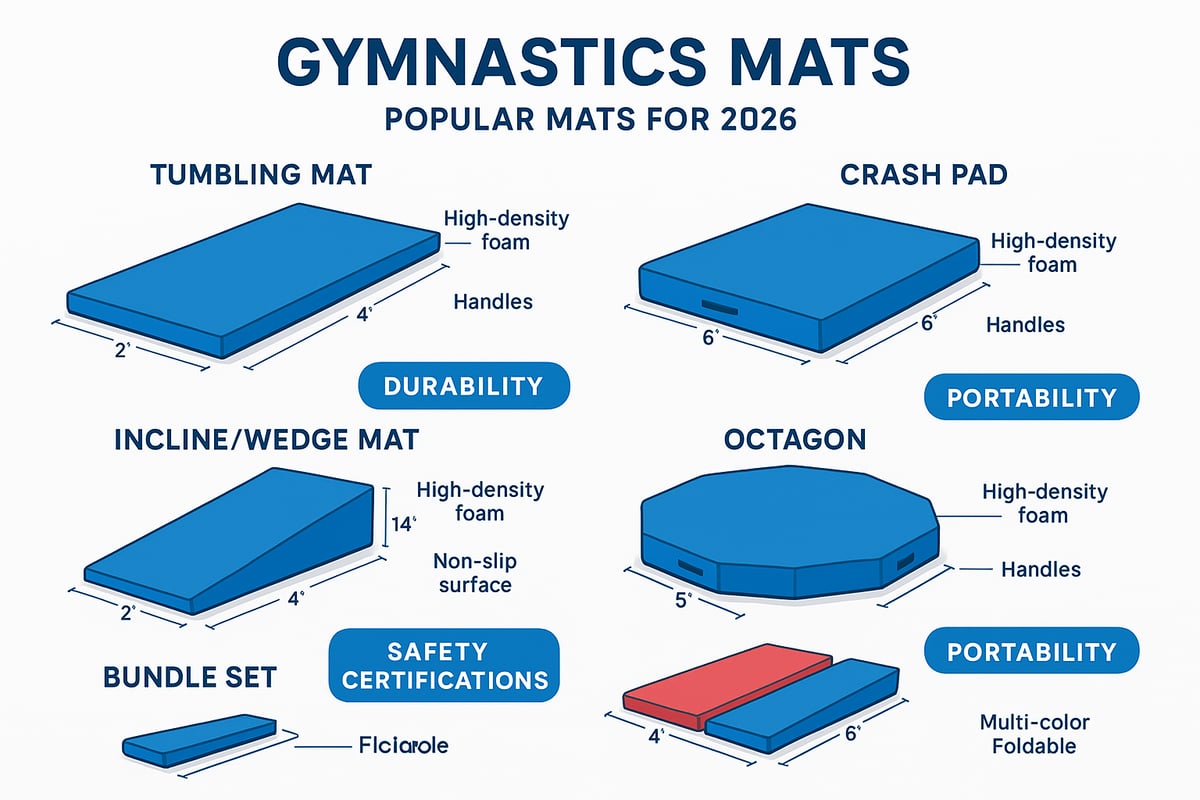
Tumbling Mats: Best Picks
The tumbling mat remains a staple for gymnasts, from beginners to advanced athletes. In 2026, top picks include high-density foam models with double-stitched vinyl covers for durability. Standard sizes like 4' x 8' and 5' x 10' are favored for versatility, fitting both home and gym spaces.
Popular options feature anti-slip backing and are easy to clean, making them ideal for daily practice. Many buyers prefer mats that fold for storage, and bright color choices are trending. For a comprehensive selection of tumbling mats and accessories, you can visit the Home page for gymnastics equipment to compare leading brands and models.
Crash Pads & Landing Mats: Best Choices
Crash pads are essential for high-impact skills and safe landings. The best crash pads for 2026 offer impressive thickness, ranging from 8" to 12", with layered foam construction for optimal shock absorption. These mats cater to advanced gymnasts practicing aerial moves or dismounts.
Portability is a key feature, with handles and foldable designs making storage easy. Look for landing mats with reinforced seams and non-slip bases to maximize safety. User testimonials highlight the peace of mind these mats provide during intensive training sessions. Safety ratings and certifications are crucial when selecting a crash pad for your gymnastics mat needs.
Incline/Wedge Mats: Best for Skill Progression
Incline or wedge mats, often called cheese mats, support progressive skill development. Leading 2026 models offer adjustable slopes and foldable designs, perfect for home or gym use. Sizes vary to accommodate different age groups and training requirements.
Easy-to-clean vinyl surfaces and firm foam cores ensure long-lasting performance. Coaches and parents appreciate these mats for their versatility, using them for rolls, walkovers, and vault drills. The right incline gymnastics mat can significantly boost confidence and safety in early skill acquisition.
Octagon Mats & Specialty Options
Octagon mats are designed for skill shaping and handspring training. In 2026, top-rated octagon trainers come in multiple sizes, making them suitable for both youth and adult gymnasts. Choose from medium or large mats to match your progression goals.
Specialty options also include combo sets that integrate beams and wedges, streamlining home gym setups. Reviews consistently praise the versatility of these specialty mats in supporting a wide range of drills. Including an octagon gymnastics mat in your training space can accelerate learning for complex maneuvers.
Value and Bundle Sets
Bundle sets have gained popularity for offering cost savings and convenience. Many brands now provide home gym starter kits that include a tumbling mat, incline mat, and balance beam. These packages are ideal for families or multi-user environments, ensuring everyone has access to the right equipment.
When comparing bundles, consider the quality of each included mat and the overall price advantage. Multi-mat bundles simplify the buying process and often come with matching colors or designs. As more users seek all-in-one solutions, value sets make the gymnastics mat purchase more accessible and budget-friendly.
Color, Design, and Customization Trends
In 2026, color and design have become major factors in gymnastics mat selection. Bright, multi-color mats and themed designs, such as rainbows or holiday patterns, are especially popular among younger athletes. Customization options, including personalized logos or names, allow users to express their style.
Aesthetics play a role in home integration, with many buyers choosing mats that complement their space. According to recent data, 40% of buyers now select their gymnastics mat based on color or design preference. This trend highlights the importance of both function and visual appeal in modern mat choices.
Care, Maintenance, and Longevity of Gymnastics Mats
Keeping your gymnastics mat in top condition is essential for performance, safety, and long-term value. With proper care, your mat can last for years, supporting every stretch, tumble, and landing.
Cleaning and Disinfecting
Regular cleaning is the foundation for a durable gymnastics mat. Use mild soap or a designated mat cleaner to wipe down the surface after each session. For deep cleaning, a diluted disinfectant is recommended weekly, especially in shared spaces.
Vinyl covers make cleaning straightforward—simply wipe and let dry. This prevents mold and odor buildup, which can occur if sweat and moisture linger. Avoid harsh chemicals that might degrade the mat material.
Establish a routine cleaning schedule. Studies show that regular cleaning can extend a gymnastics mat’s lifespan by up to 30 percent. Always check manufacturer guidelines for any specific recommendations.
Storage and Handling Tips
Proper storage is key to preserving your gymnastics mat’s integrity. Foldable mats should be collapsed along their seams and stacked gently to avoid creasing. Non-foldable mats benefit from vertical storage racks, keeping them off the floor and away from moisture.
If transporting your gymnastics mat, use carrying handles or a storage bag to prevent tears and dirt. For home users with limited space, store mats in closets or under beds. Always keep mats out of direct sunlight and damp areas to avoid fading and mildew.
Handle your mat with care to prevent accidental damage during setup or storage. Thoughtful handling ensures your mat remains supportive and safe.
Repair, Replacement, and Warranty Considerations
Even with diligent care, a gymnastics mat may eventually show signs of wear. Look for thinning foam, torn seams, or punctures, which can affect safety. Small vinyl tears can often be fixed with repair kits, while larger damage may require professional help.
Check your warranty coverage before attempting repairs. Many mats come with 1–3 year warranties, offering peace of mind. Durable construction, like that found in the ProMounds Jennie Finch pitching mat, can help reduce the need for frequent repairs.
Regular inspection is crucial. Replacing a mat at the right time prevents injuries and ensures a safe training environment.
Maximizing Mat Lifespan
To get the most from your gymnastics mat, rotate its position regularly. This helps distribute wear evenly, especially in high-traffic areas. Avoid using shoes or placing sharp objects on the mat, as they can puncture or degrade the surface.
Conduct annual safety checks, particularly in gym environments. Look for loose stitching, compressed foam, or slippery spots. For crash pad-style mats, consider materials and construction similar to the Athletic Connection pole vault landing system for maximum durability.
By following these practices, you can extend your mat’s life and maintain the safety and quality necessary for every level of training.
Frequently Asked Questions About Gymnastics Mats
What Size Mat Should I Get?
Choosing the right size for your gymnastics mat depends on several factors. Consider the user's age, skill level, and the available practice area. For most home setups, a 4' x 8' mat offers enough space for basic skills and routines, while advanced users might need larger options like 5' x 10'.
If you have multiple users or limited space, modular mats can be a flexible solution. Always measure your area before purchasing, ensuring there's room for safe movement around the mat. For families, a single large gymnastics mat is often more practical than multiple small ones. Data shows 4' x 8' remains the most popular size for home use.
How Thick Should My Gymnastics Mat Be?
The ideal thickness for your gymnastics mat is determined by the activities you'll be performing. Basic skills and stretching require 1.5"–2" mats, while advanced tumbling and landings call for 4" or more. Crash pads with 8"–12" thickness are essential for aerials and high-impact dismounts.
Safety is a top priority. Research on Epidemiology of Collegiate Women's Gymnastics Injuries highlights the importance of appropriate mat thickness in reducing injury rates. Always match the mat's thickness to the skill level and type of training to optimize safety and performance.
Are Foldable Mats as Good as Non-Foldable Ones?
Foldable gymnastics mats are designed for convenience, making storage and transport easy. They are especially popular with home users who need to maximize space. Tri-fold or quad-fold mats fit into closets or under beds, yet still offer solid support for most skills.
Non-foldable mats may provide a slightly firmer feel and are often preferred in professional gyms, but for the majority of users, a quality foldable gymnastics mat is just as effective. Durability is comparable, provided you choose a mat with reinforced seams and high-quality materials. User feedback consistently rates foldable mats highly for both performance and practicality.
How Do I Clean and Care for My Mat?
Proper care keeps your gymnastics mat safe and extends its lifespan. Clean the surface regularly with mild soap and water, using disinfectant wipes for vinyl covers after heavy use. For stains or odors, opt for specialized cleaners designed for athletic equipment.
Prevent mold by ensuring the mat is dry before storage. Store mats in a cool, dry place, avoiding direct sunlight and moisture. With regular cleaning, studies show you can double the lifespan of your gymnastics mat. Schedule routine inspections to catch any damage early, keeping your training environment safe.