

Field Hockey Net Guide: Choosing the Best Option for 2026
Field hockey is experiencing remarkable growth as we move into 2026, with more players, schools, and clubs embracing the sport than ever before. This surge brings evolving demands for equipment that meets both safety and performance standards.
Choosing the right field hockey net is crucial for every player and facility. The right net supports fair gameplay, protects athletes, and ensures your investment lasts through seasons of use.
In this comprehensive guide, you will find insights into different types of nets, key factors for smart buying, up-to-date sizing and regulations, 2026’s top products, care tips, and expert advice. Ready to make the best choice? Let’s get started.
Understanding Field Hockey Nets: Types and Uses
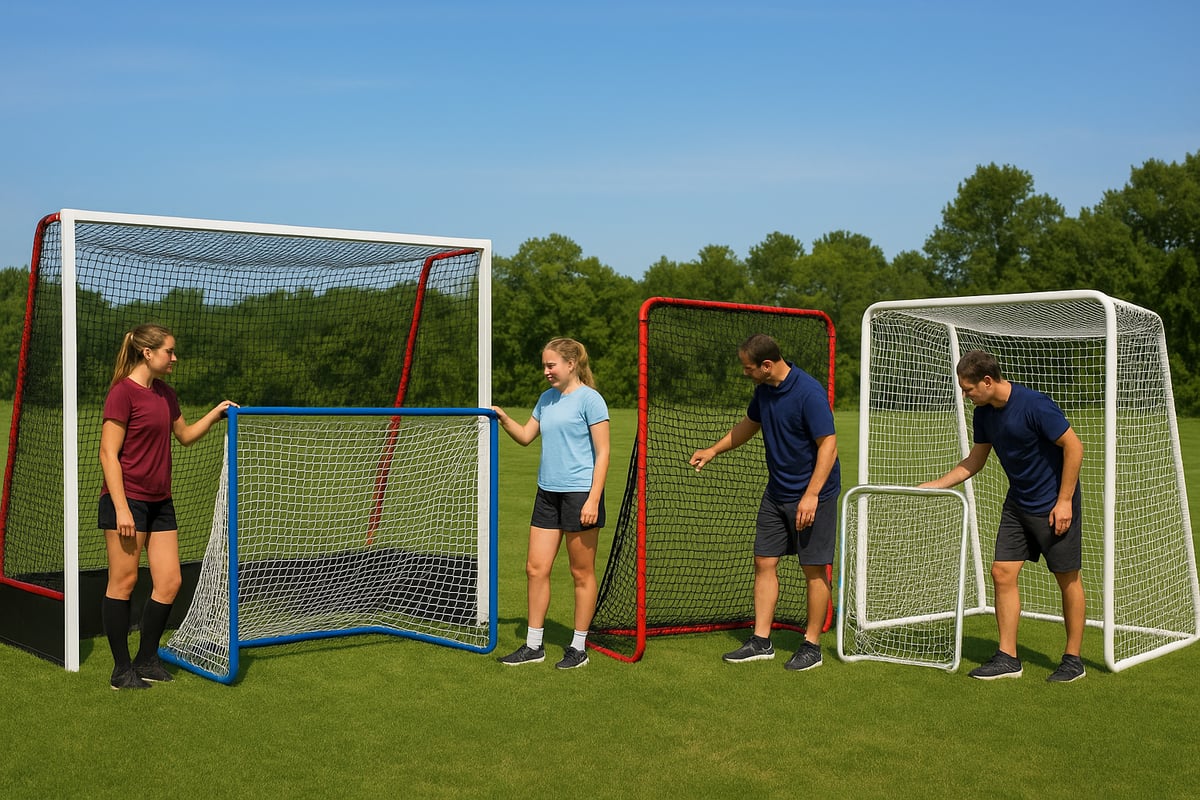
Choosing the right field hockey net begins with understanding the range of options available for different playing environments and skill levels. From high-stakes competition to backyard fun, each net type serves a unique purpose and offers specific features. If you’re exploring which net best fits your needs, you can browse a variety of options in the Field Hockey Goals Selection to see what’s currently available for 2026.
Official Match Nets
Official match field hockey net options are built to meet strict standards set by organizations such as the FIH. These nets feature robust, weather-resistant materials like heavy-duty nylon or polyester, ensuring they withstand intense gameplay and frequent shots. The frames are usually constructed from galvanized steel or aluminum, providing stability and longevity.
Standard outdoor match nets measure 12 feet by 7 feet, while indoor versions follow a 3 meter by 2 meter guideline. Only FIH-approved nets are used in tournaments, as they guarantee safety and fair play for all participants. Reinforced corners and high-tension mesh are essential to prevent ball escape and potential injury. Investing in a regulation field hockey net ensures compliance and peace of mind during competitive play.
Training and Practice Nets
Training and practice field hockey net designs focus on flexibility, portability, and ease of use. Unlike official match nets, these are often lighter and can be assembled or disassembled quickly, making them ideal for schools, clubs, and personal training sessions. Many models use PVC or lightweight steel frames and offer weather-resistant netting for outdoor drills.
Key features include pop-up mechanisms, foldable frames, and adjustable sizes to accommodate various drills. These nets are cost-effective, especially for teams requiring multiple setups or frequent transport. Portable field hockey net options let coaches run fast-paced drills and skill-building exercises without sacrificing quality or durability.
Youth and Recreational Nets
For younger players and casual matches, youth and recreational field hockey net options are specifically adapted to enhance safety and convenience. These nets typically feature smaller dimensions, such as 4 feet by 8 feet, and lighter frames that are easy for children and adults to move.
Safety is a top priority. Rounded corners, soft mesh, and secure fastenings minimize the risk of injury. Their manageable size fits perfectly in community centers, schools, or even backyard settings. The popularity of these nets has surged as more families and local programs introduce children to field hockey in a safe, engaging environment.
Specialty Nets (Indoor, Portable, Multi-Sport)
Specialty field hockey net solutions cater to unique requirements. Indoor nets, for example, use non-marking feet and compact frames to protect gym floors and fit limited spaces. Portable nets are designed for teams on the go, featuring foldable frames and quick assembly, making them perfect for away games or training camps.
Multi-sport nets offer versatility for facilities with limited space or budget. Adjustable frames and interchangeable netting allow use across different sports, maximizing facility value. Indoor field hockey net designs are common in school gyms, providing a safe, adaptable environment for year-round training and matches.
Materials and Construction Overview
Field hockey net construction relies on durable materials like nylon, polyester, steel, aluminum, and PVC. The choice of material impacts longevity and overall performance. Mesh size is another critical factor, with tighter weaves preventing ball escape and maintaining game integrity. Knotting techniques, such as hand-tied or machine-stitched, influence strength and reliability. A well-constructed field hockey net ensures years of safe, dependable use.
Key Factors to Consider When Choosing a Field Hockey Net
Selecting the right field hockey net is crucial for ensuring safety, longevity, and optimal performance on the pitch. With many options available in 2026, focusing on the most important criteria will help you make a confident, value-driven choice.
Durability and Weather Resistance
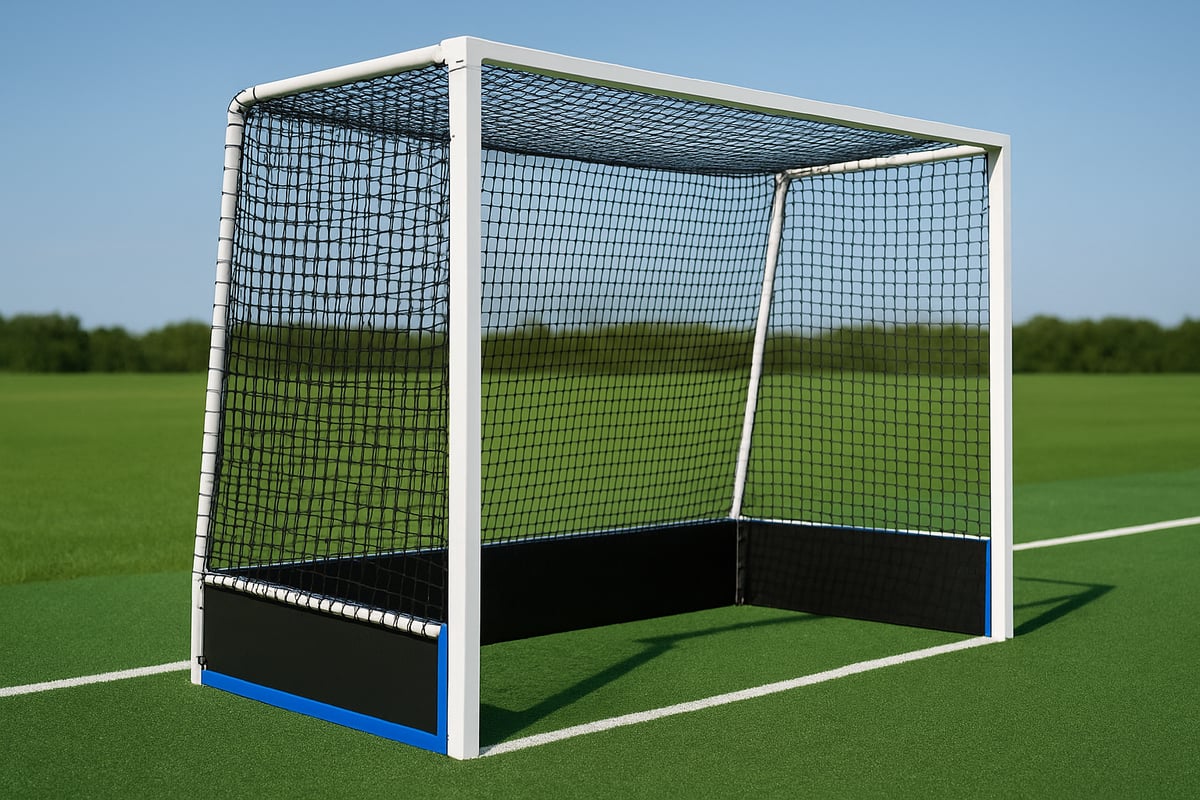
When evaluating a field hockey net, prioritize durability and resistance to the elements. Look for netting made from UV-resistant materials like treated nylon or polyester. Frames constructed from galvanized steel or powder-coated aluminum offer protection against rust and corrosion.
Consider your local climate. In humid or coastal areas, rust-proof frames are essential for maintaining your field hockey net’s lifespan. Data shows that nets with weather-treated components can last up to 40% longer than untreated models.
Key features to check:
- UV-resistant netting
- Rust-proof frames
- Reinforced corners and seams
A durable field hockey net reduces replacement frequency and ensures reliable performance throughout the season.
Size and Compliance with Regulations
Choosing a field hockey net that meets official size and compliance standards is vital, especially for competitive play. Regulation outdoor nets measure 12’ x 7’ (3.66m x 2.14m), while indoor nets are 3m x 2m. Youth and training nets may vary, but always check league requirements.
The consequences of using a non-compliant field hockey net include disqualification from matches or the need for last-minute replacements. For 2026, recent NFHS Field Hockey Rule Changes for 2026 outline updates to goal construction, mesh sizing, and safety features. Always verify that your net is FIH-approved or meets local standards before purchase.
Compliance ensures fair play, player safety, and eligibility for tournaments.
Portability and Storage
For teams with limited space or those that travel frequently, the portability of a field hockey net can be a game-changer. Portable nets are designed to be lightweight, foldable, and quick to assemble, often taking less than two minutes to set up.
Consider whether your facility can accommodate a permanent structure or if storage flexibility is needed. Foldable nets allow for easy disassembly and compact storage, making them ideal for schools, clubs, or multi-use facilities.
Compare options:
- Fixed-frame nets: sturdy but require permanent space
- Foldable nets: easy transport and space-saving
- Carry bags: protect netting during off-season storage
Selecting a portable field hockey net supports efficient training and maximizes facility use.
Safety Features
Safety should never be overlooked when purchasing a field hockey net. Proper net tension, secure anchoring systems, and frame padding are essential for minimizing injury risks during play.
Look for features like:
- Rounded corners to prevent cuts or scrapes
- Secure fastenings that keep the net stable during impacts
- Padded frames, especially for youth programs
A field hockey net with robust safety features is especially important for schools and community clubs, where younger athletes are involved. Enhanced safety translates to greater confidence for coaches, players, and parents alike.
Budget and Value for Money
Balancing budget and value is a key part of selecting a field hockey net. Prices vary widely depending on net type, materials, and brand reputation. While youth and recreational nets are most affordable, official match nets command a higher upfront investment.
Consider the following table for a quick comparison:
| Net Type | Price Range | Estimated Lifespan |
|---|---|---|
| Youth/Recreational | $100-$250 | 2-4 years |
| Training/Portable | $200-$400 | 3-6 years |
| Official Match | $400-$800 | 5-8 years |
Bulk purchase discounts can provide significant savings for schools and clubs. Always weigh the initial cost against durability, warranty, and long-term maintenance needs. Choosing a high-quality field hockey net may require a larger investment, but it delivers greater value over time.
Field Hockey Net Sizing, Regulations, and Standards for 2026
Selecting the right field hockey net means understanding the latest sizing and regulatory standards for 2026. Whether you are outfitting a school, club, or competitive team, compliance with official guidelines ensures safety, fair play, and eligibility. Here is what every coach, manager, or facility director needs to know for the upcoming season.
Official Field Dimensions and Net Sizes
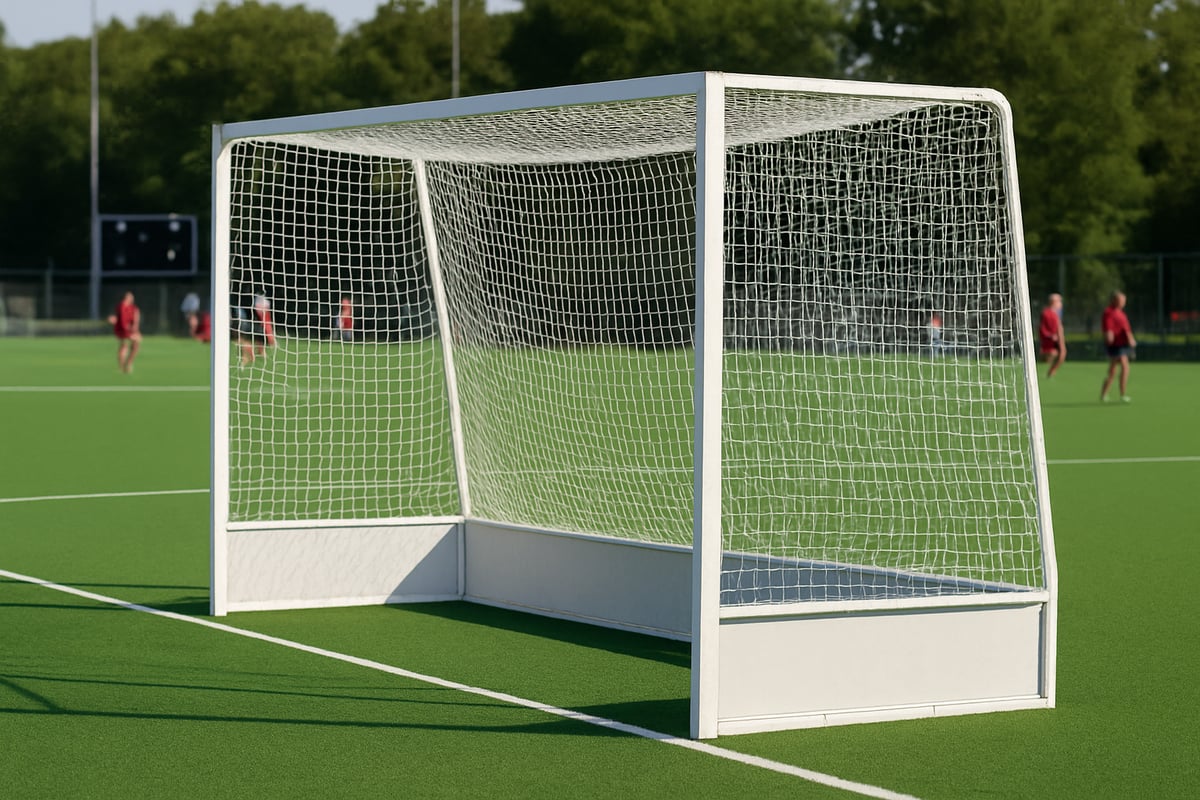
For 2026, the standard outdoor field hockey net must measure 12 feet wide by 7 feet high (3.66m x 2.14m). Indoor field hockey net sizes are set at 3 meters by 2 meters, with specific depth requirements to ensure proper ball containment. The mesh size is regulated, typically not exceeding 45mm, to prevent the ball from passing through.
Updates for 2026 include reinforced netting and frame specifications, as highlighted in the Commonwealth Games 2026 – Hockey Field Specifications. Following FIH and national association guidelines is critical, as even minor deviations can affect gameplay and player safety.
Material and Construction Standards
A compliant field hockey net must use high-strength materials like UV-resistant nylon or polyester mesh. The mesh size, as per FIH regulations, cannot exceed 45mm. Frames are often constructed from galvanized steel or aluminum, offering both stability and portability.
All edges should be rounded, with no protrusions, to minimize injury risk. Anchoring systems must keep the net securely in place during play. Recent FIH safety updates require extra padding and reinforced corners, ensuring that each field hockey net meets the highest safety standards.
League and Competition Requirements
Different levels of play, from schools to elite competitions, have their own standards for field hockey net certification. Most leagues require FIH Approved or similar certification marks. Using non-standard nets may lead to disqualification or match disputes.
A growing percentage of leagues, over 80% in some regions, are adopting the latest FIH standards for 2026. Coaches and administrators should always check for appropriate certification labels to confirm their field hockey net is eligible for official play.
Choosing for Training vs. Competition
Training sessions can sometimes use non-regulation field hockey net sizes for convenience, especially in multi-use facilities or for younger athletes. However, practicing with regulation-size nets develops proper shooting and defensive skills.
Clubs often maintain both types: regulation nets for matches and larger-scale practices, and lighter, portable nets for drills or youth games. For example, a club may use official nets for league play and smaller ones for skill-building clinics, ensuring every player can train safely and effectively.
Top Field Hockey Nets for 2026: Product Recommendations and Reviews
Choosing the right field hockey net in 2026 requires understanding the best products for each need. Whether you are outfitting a professional pitch, school gym, or backyard, the right net ensures safety, durability, and value. Explore this year’s top picks for every scenario.
Best Official Match Field Hockey Nets
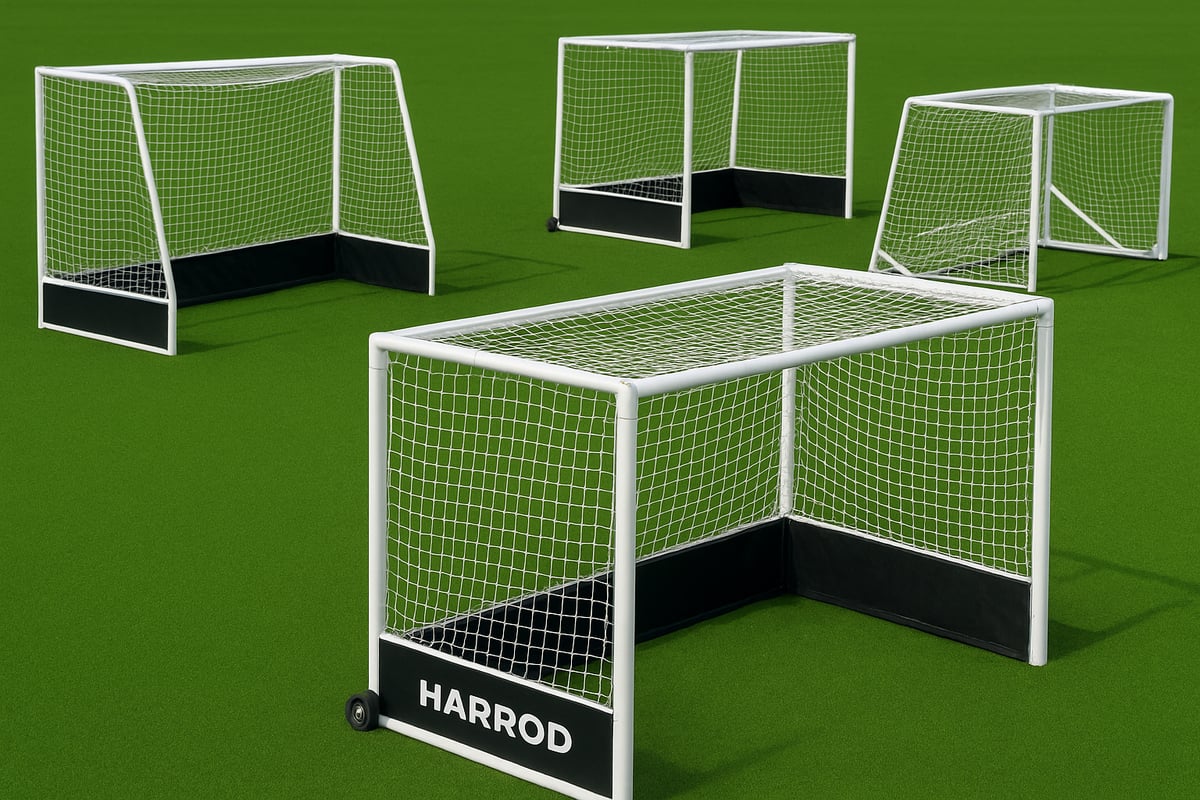
For official competitions, a field hockey net must meet strict FIH regulations. Leading models, such as the Harrod UK FIH Championship Net, feature heavy-duty, weatherproof netting and reinforced galvanized steel frames. These nets offer high-tension mesh, ensuring balls are safely contained during intense gameplay.
Key product features:
- FIH-certified dimensions and construction
- UV-resistant, knotless netting for longevity
- Anchoring systems for stability
Most top-tier nets include multi-year warranties and robust after-sales support. Expect price ranges from $900 to $1,500, reflecting their professional-grade build. Investing in a compliant field hockey net ensures safety and fair play at every match.
Best Training and Portable Nets
Training environments benefit from a field hockey net that is lightweight yet durable. Portable options like the Bownet Field Hockey Goal use energy absorption systems to reduce frame stress and enhance portability. These nets are popular for schools and clubs due to their quick setup and breakdown.
Highlights include:
- Foldable frames for easy storage
- Weather-resistant mesh for year-round use
- Setup times under two minutes
Coaches and players praise these nets for balancing durability with convenience. While slightly less robust than competition models, a quality training field hockey net provides excellent value for regular drills and skill development.
Best Youth and Recreational Nets
A youth field hockey net prioritizes safety, portability, and affordability. Popular models, such as the 4’ x 8’ youth field hockey goal, are lightweight with rounded corners and secure fastenings. These nets are ideal for community programs, backyard games, and beginner clubs.
Key features:
- Smaller, manageable frame sizes for younger players
- Easy assembly and transport
- Soft mesh and padded edges to reduce injury risk
Parents and coaches appreciate how these nets make field hockey accessible to younger age groups. Choosing the right youth field hockey net encourages safe, enjoyable practice sessions and builds foundational skills.
Best Indoor Field Hockey Nets
An indoor field hockey net must be compact, stable, and non-marking to protect gym floors. Leading options feature rubberized feet, lightweight aluminum frames, and tightly woven mesh suited for fast-paced play. Brands like Harrod and Alumagoal offer portable indoor nets that assemble quickly and withstand repeated use.
Features to look for:
- Non-marking base for gym use
- Compact, foldable design for storage
- Durable construction for frequent setup
Comparing indoor field hockey net brands reveals differences in portability and durability, so facilities should match their choice to usage frequency and available space.
Multi-Sport and Versatile Nets
For schools and community centers, a multi-sport field hockey net offers flexibility. These nets typically adjust in size and include interchangeable netting, making them suitable for soccer, lacrosse, and field hockey. The Kwik Goal Multi-Sport Net is a popular example, providing adjustable frames and all-weather construction.
Advantages:
- Space-saving for multi-use fields
- Quick conversion between sports
- Durable enough for repeated setup and takedown
A multi-sport field hockey net delivers cost efficiency, especially for facilities with limited budgets or storage. Versatility ensures the net can adapt to different training or event needs throughout the year.
Accessories and Replacement Parts
Maintaining your field hockey net is easier with quality accessories and readily available parts. Essential add-ons include replacement netting, ground anchors, durable carry bags, and frame repair kits. Access to these components extends the life of your investment and ensures uninterrupted play.
Common accessories:
- Weatherproof replacement mesh
- Wheeled storage bags for portability
- Extra anchors and frame connectors
For a wide range of netting solutions and accessories, consider browsing the Ball Nets and Accessories collection. Reliable sources for field hockey net parts help teams and clubs maintain top performance with minimal downtime.
Proper Care, Maintenance, and Storage of Field Hockey Nets
A quality field hockey net is an investment, so proper care and maintenance are key to maximizing its lifespan and performance. With regular upkeep, your net can withstand the rigors of play and changing weather, ensuring safe and reliable use for years to come. Let us walk through essential practices for cleaning, repairs, storage, and longevity.
Cleaning and Upkeep
Keeping your field hockey net clean not only improves its appearance but also prevents premature wear from dirt, mold, and UV exposure. Start by removing loose debris after each use. On a monthly basis, wash the netting and frame with mild soap and water, using a soft brush or cloth. Avoid harsh chemicals, which can degrade the fibers or metal.
It is helpful to establish a maintenance routine. For example:
- Inspect the net for fraying or holes
- Check the frame for rust or bent areas
- Tighten and adjust net fastenings as needed
For more detailed advice, consult expert resources like the Guide to Maintaining Field Hockey Nets for step-by-step cleaning instructions and seasonal care tips.
Repair and Replacement Tips
Even with careful use, every field hockey net will eventually need repairs. Common issues include frayed mesh, broken fastenings, or bent frames. Early detection is crucial. Regularly inspect the net for damage, especially after intense matches or stormy weather.
Simple repairs, such as patching small holes or replacing clips, can often be handled with basic tools. For more extensive damage, weigh the cost and effort of repairs against purchasing new parts or a replacement net. If the mesh is severely torn or the frame is structurally compromised, it is safest to replace the affected components promptly.
Consider keeping spare mesh sections, clips, or frame joints on hand for quick fixes during the season. This ensures your field hockey net remains safe and functional throughout the year.
Off-Season and Long-Term Storage
Proper storage extends the life of your field hockey net when not in use. Begin by thoroughly cleaning and drying all components to prevent mold and corrosion. Disassemble or fold the net according to manufacturer instructions, protecting mesh and frame from unnecessary stress.
Choose a storage location that is dry, shaded, and secure. Avoid direct sunlight, which can weaken net fibers, and keep the net off the ground to protect against moisture and pests. Use dedicated storage bags or bins for added protection.
Some facilities use wall hooks or racks to save space and keep the field hockey net organized during the off-season. Always check for rodent or insect activity before setup in the spring.
Extending Lifespan: Pro Tips
Want your field hockey net to last longer? Incorporate these expert strategies into your routine:
- Use weather-resistant covers during rain or intense sun
- Secure the net with ground anchors to prevent shifting and excess strain
- Rotate nets between high- and low-use fields to distribute wear
- Schedule regular inspections and address minor issues quickly
Studies show that proactive care can extend the effective life of a field hockey net by up to 30 percent. By investing a small amount of time in maintenance, you protect your budget and ensure consistent, safe play for your athletes.
Expert Tips for Selecting the Best Field Hockey Net
Selecting the right field hockey net in 2026 is a strategic decision for any team, school, or club. The process involves more than simply picking a size or style. By considering your unique needs, budget, brand reliability, supplier expertise, and the latest innovations, you can ensure your investment delivers safety, durability, and top performance.
Assessing Your Team or Facility Needs
Begin by analyzing how often your field hockey net will be used and by whom. Is your primary audience youth players, adult leagues, or a mix of both? Consider the playing environment—indoor or outdoor—as this affects net material and frame requirements.
Key factors to evaluate include:
- Frequency of practices and matches
- Age and skill level of players
- Available storage and transport options
For example, a school with limited storage might prioritize a foldable field hockey net, while a club with a permanent pitch may opt for a heavier, regulation-size model. Matching your selection to your setting ensures safety and maximizes lifespan.
Balancing Quality with Budget Constraints
Budget plays a major role in selecting any field hockey net. While it can be tempting to opt for the lowest price, consider the total cost of ownership over several seasons. Investing in a durable net with UV-resistant netting and rust-proof frames reduces long-term expenses.
When comparing options, prioritize essential features such as frame sturdiness, mesh quality, and anchoring systems. Extras like branded logos or decorative colors may be less critical. Often, buying nets in bulk for teams or leagues can result in significant savings.
A simple cost comparison table can help clarify options:
| Feature | Basic Net | Premium Net |
|---|---|---|
| Initial Price | Low | Higher |
| Lifespan | 1–2 years | 4–6 years |
| Maintenance Needs | Frequent | Minimal |
| Warranty | Limited | Extended |
Careful planning ensures your field hockey net delivers value well beyond the first season.
Evaluating Brands and Warranty Coverage
The reputation of a brand is a key indicator of field hockey net quality. Established brands often provide better materials, engineering, and customer service. Before committing, research user reviews and product ratings for the latest models.
Warranty coverage is equally important. Look for warranties that cover both netting and frames, as well as clear policies for replacement or repair. Some brands even offer on-site support or fast shipping for replacement parts.
Reading authentic testimonials and comparing warranty terms can help you avoid hidden costs and ensure your field hockey net stands up to rigorous use.
Sourcing from Trusted Athletic Equipment Suppliers
Where you purchase your field hockey net can impact both product quality and after-sales support. Specialized athletic equipment suppliers offer expert advice, access to the latest innovations, and bulk discounts for schools or clubs.
Partnering with a reputable supplier ensures that you receive genuine, regulation-compliant nets and reliable customer service. For those seeking specialty or indoor field hockey nets, exploring Indoor Equipment for Sports can be a smart starting point for finding purpose-built solutions.
Building a relationship with a trusted supplier can also provide ongoing access to accessories and replacement parts as your needs evolve.
Staying Updated with 2026 Trends and Innovations
The field hockey net market continues to evolve, with new materials and features emerging each year. In 2026, expect to see advances such as eco-friendly netting, quick-release frames, and improved anchoring systems for increased safety.
Some manufacturers are introducing smart tracking features that help coaches monitor net usage and wear. Staying informed about these trends allows you to future-proof your investment and enhance the playing experience for your athletes.
Regularly reviewing product updates and industry news ensures your field hockey net remains a valuable asset for years to come.
Frequently Asked Questions About Field Hockey Nets
Field hockey net selection and maintenance can raise many questions for teams, coaches, and parents. Below, we answer the most common queries with practical advice to help you make informed decisions.
What size net do I need for my level of play?
Choosing the right field hockey net size depends on the age group and competition level. Official outdoor matches require a 12’ x 7’ (3.66m x 2.14m) net, while indoor games use a 3m x 2m net. Youth players or recreational games often use smaller nets, such as 4’ x 8’, to suit skill development and safety.
| Level | Recommended Net Size |
|---|---|
| Youth | 4’ x 8’ (1.22m x 2.44m) |
| Indoor | 3m x 2m |
| Official | 12’ x 7’ (3.66m x 2.14m) |
Always check with your league for specific requirements to ensure the best fit.
How do I ensure my net meets league regulations?
To guarantee your field hockey net is compliant, review the latest rules from organizations like the FIH or your local governing body. Look for certification marks such as “FIH Approved” on the product. Nets must meet size, mesh, and safety standards, including proper anchoring and rounded corners for safe play.
Non-compliant nets may disqualify teams from competitions or invalidate match results. Confirm compliance before purchasing to avoid disruptions.
Are portable nets as durable as permanent ones?
Portable field hockey net models are designed for quick setup and easy transport. While they may be lighter, many modern portable nets use strong frames and UV-resistant materials. However, permanent nets typically offer greater stability and long-term durability, especially for frequent, high-impact use.
For training or travel teams, portable nets provide flexibility without sacrificing essential performance.
How often should nets be replaced?
The lifespan of a field hockey net depends on usage, weather exposure, and material quality. On average, nets last 2-5 years with regular care. Signs that replacement is needed include frayed netting, weakened mesh, or bent frames.
Inspect your field hockey net each season and schedule replacements proactively to maintain safety and playability.
Can I use a field hockey net for other sports?
Many field hockey net designs are versatile and can be used for sports like soccer or lacrosse, especially those labeled as multi-sport. However, always confirm the net’s dimensions and mesh strength match the requirements of the other sport to ensure proper performance and safety.
Multi-sport nets are ideal for schools or facilities with limited space and varied athletic programs.
What accessories are essential for field hockey nets?
Key accessories include ground anchors, carry bags, weather covers, and replacement netting. Anchors prevent the net from shifting during play, while weather covers extend its life. For tips on turf field care, which complements net maintenance, see Top 5 Turf Field Maintenance Practices.
Having the right accessories ensures safety, ease of use, and long-term value.
Where can I find replacement parts for my net?
Most reputable athletic equipment suppliers offer replacement parts for field hockey net models. Check with the original manufacturer or supplier for compatible netting, frames, and accessories. Keeping spare parts on hand reduces downtime and supports uninterrupted training or competition.
Prioritize suppliers known for responsive customer service and proven product compatibility.