

Baseball Equipment Guide: Essential Gear for 2026 Players
Step onto the diamond in 2026 ready to excel. The right baseball equipment is more than just gear—it is the foundation of every winning season.
This guide equips you with the must-have baseball equipment for players of all ages and skill levels. You will discover essential bats, gloves, protective gear, footwear, uniforms, and accessories, all designed for optimal safety, performance, and comfort.
Advances in gear technology are changing the game, offering better protection, improved comfort, and a real competitive edge. Are you prepared to meet the latest standards and trends? Use this guide to make informed choices and set yourself up for success in the 2026 season.
The Evolution of Baseball Equipment: What’s New for 2026
Baseball equipment in 2026 is undergoing a transformation, blending technology, safety, and style. Innovations are setting new standards for performance and protection at all levels. Players and coaches are seeing that the right gear can make a measurable difference on the field.
Key Advances in Bat Technology
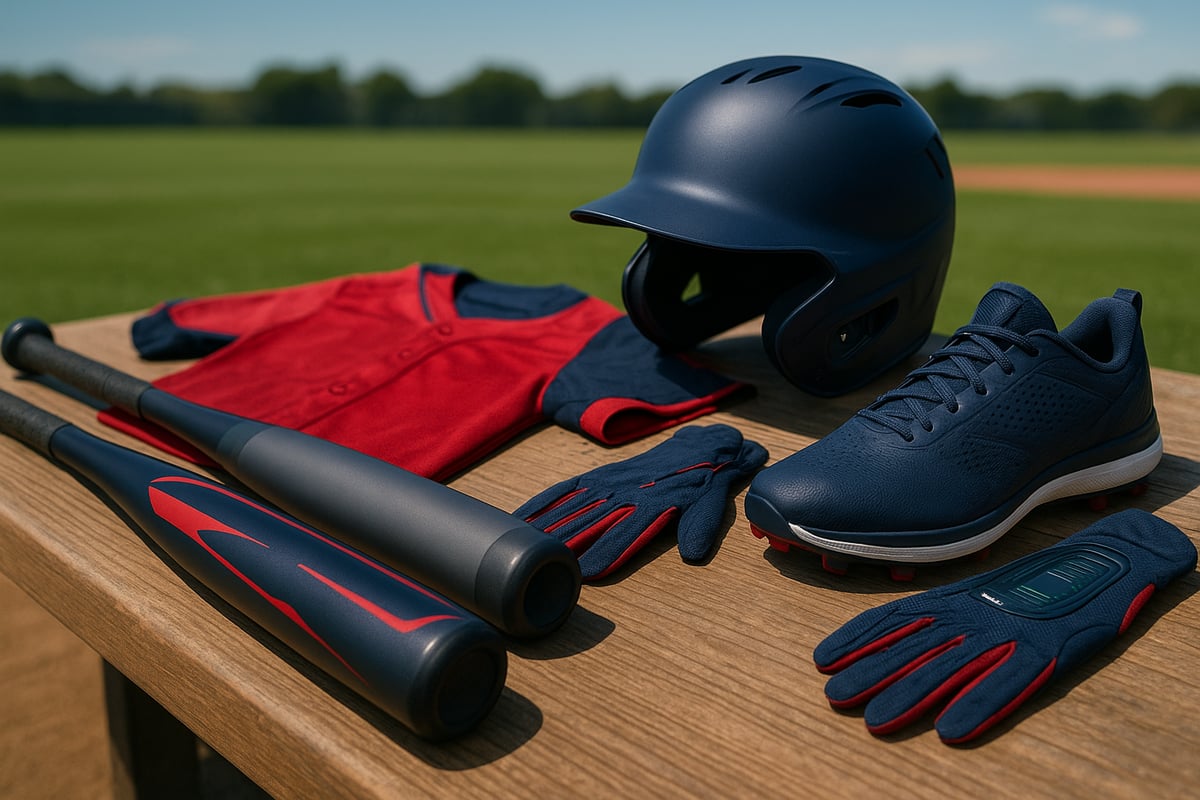
Bat design has reached new heights, thanks to innovative materials like next-generation composites, hybrids, and engineered woods. Updated league regulations are directly shaping how baseball equipment is built and certified. Bats are lighter and more balanced, giving both youth and adult players increased swing speed and better control. For example, the 2026 DeMarini and Louisville Slugger models feature precision-balanced barrels and vibration-dampening handles. Composite bat usage in amateur leagues has risen by 30 percent over the past two years, according to industry trends. With modern bats reducing injury risks, players benefit from safer, more consistent swings. For a full summary of rule updates affecting bats, see the 2026 Little League Rule Changes.
Glove and Mitt Innovations
Gloves and mitts are evolving to fit the demands of every position. Enhanced padding and ergonomic shapes ensure a secure, comfortable fit. Smart materials, including weather-resistant synthetics, improve durability without sacrificing feel. Customization options allow for tailored fits and vibrant color choices, making every glove unique. Infielders now benefit from tighter web patterns for quick transfers, while outfielders have larger pockets for tracking fly balls. The trend toward position-specific mitts, especially for catchers and first basemen, is growing rapidly as players seek specialized baseball equipment for their roles.
Protective Gear Upgrades
Safety is at the forefront of baseball equipment design in 2026. Helmets now feature integrated impact sensors and improved airflow, keeping players cool and protected. Batters have access to advanced face guards and reinforced jaw protection, reducing the risk of facial injuries. Catcher’s gear has shifted toward lightweight, modular designs with high-density foam for added comfort and flexibility. Recent league safety reports show a notable reduction in head injuries, thanks in part to stricter helmet standards. The use of protective cups and pelvic shields is becoming standard for all genders, reflecting the evolving safety culture.
Uniforms and Apparel Trends
Uniform technology is keeping players cool and comfortable during intense games. Moisture-wicking, breathable fabrics are standard for jerseys and pants, helping athletes stay dry. Sliding shorts now come with built-in padding for extra protection during aggressive base running. Personalization is a big trend, with team logos, player names, and unique colorways readily available. Major League Baseball’s adoption of eco-friendly materials is setting an example, showing that sustainable baseball equipment can deliver top performance and style.
Footwear and Cleat Developments
Footwear is a critical piece of baseball equipment, with major advancements in 2026. Players can choose between metal and molded cleats, depending on league rules and personal preference. Modern cleats provide enhanced ankle support and built-in shock absorption, reducing fatigue and injury risk. Lightweight designs help boost speed and agility, while the introduction of smart insoles allows for real-time tracking of player movement. These innovations are giving athletes a competitive advantage as they step onto the field.
Essential Baseball Bats: Choosing the Right One
Selecting the right bat is a foundational decision for any player aiming to maximize their potential on the field. The landscape of baseball equipment in 2026 offers more choices than ever, making it essential to understand the features and regulations that define modern bats.
Types of Baseball Bats
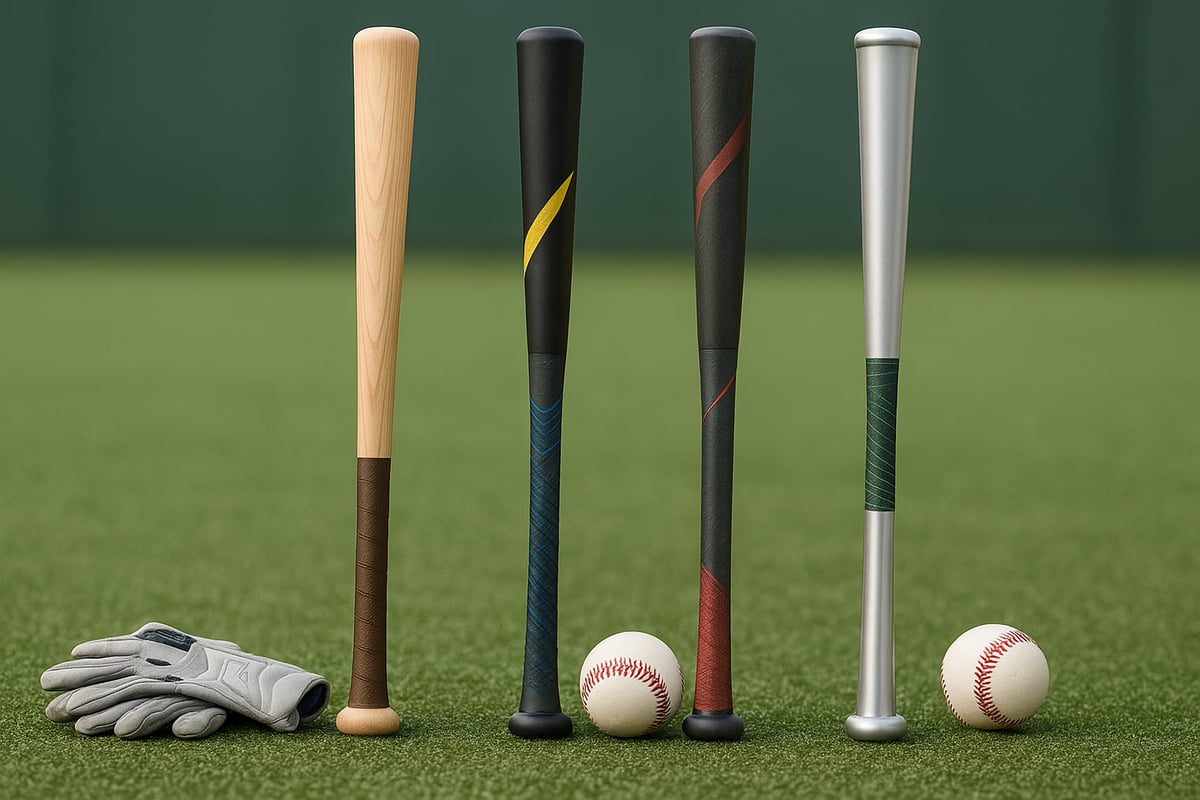
Players today can choose from wood, aluminum, composite, and hybrid bats, each offering distinct advantages and drawbacks. Wood bats are traditional, favored for their feel and feedback, while aluminum bats provide greater durability and a larger sweet spot. Composite bats combine lightweight performance and reduced vibration, making them popular in both youth and adult leagues. Hybrid bats blend aluminum barrels with composite handles for balanced swing and power.
| Bat Type | Pros | Cons |
|---|---|---|
| Wood | Authentic feel, control | Prone to breakage |
| Aluminum | Durable, large sweet spot | Can sting on mishits |
| Composite | Lightweight, less vibration | More expensive |
| Hybrid | Balanced, versatile | Costly, league restrictions |
League requirements dictate which bats are legal, with standards like BBCOR for high school and college, USSSA and USA for youth. When shopping for the latest options, check out this Baseball training equipment collection for a full range of compliant baseball equipment.
Sizing and Weight Considerations
Choosing the correct size and weight is crucial for both safety and performance. Most youth players in 2025 used bats between 28–31 inches, while adults typically select 32–34 inches. The "drop" (length minus weight) should match the player's strength and skill level.
To find the ideal fit:
- Stand the bat next to the player; the knob should reach the hip.
- Hold the bat out with one arm; if the player can do so for 30 seconds, the weight is appropriate.
- Check league regulations for maximum length and weight.
Selecting properly sized baseball equipment ensures comfort and effective swing mechanics.
Bat Performance Factors
Performance depends on several factors, including barrel size, overall balance, and grip technology. Larger barrels offer a bigger hitting area, while end-loaded bats suit power hitters and balanced models enhance control. Modern grip materials help reduce slippage and absorb shock.
The structure of the bat, such as single-piece or two-piece construction, also influences swing speed and vibration dampening. Top-rated 2026 models incorporate innovative materials and user-friendly designs, providing players with a competitive edge in their baseball equipment selection.
Bat Care and Maintenance
Proper care extends the life of your bat and keeps it in game-ready condition. Always clean bats with a soft cloth after use, store them at room temperature, and avoid using them in extreme cold. Regularly inspect for cracks, dents, or loose end caps.
- Wipe down after each practice or game
- Store vertically in a dry, cool place
- Avoid hitting non-regulation balls
Consistent maintenance is a key part of responsible baseball equipment ownership.
Safety and Compliance
Ensuring your bat meets all league certification marks is vital for both safety and eligibility. Using approved bats prevents disqualification and reduces the risk of accidents. Always look for the BBCOR, USSSA, or USA stamp as required.
Leagues update regulations frequently, so check with coaches or league officials before purchasing new baseball equipment. This diligence protects players and helps maintain a fair, safe playing environment.
Gloves and Mitts: The Foundation of Fielding
The right glove forms the core of any baseball equipment setup, shaping both comfort and confidence on the diamond. Whether you are a seasoned player or stepping onto the field for the first time, understanding glove design and technology can elevate your defensive game.
Types of Gloves and Position-Specific Features
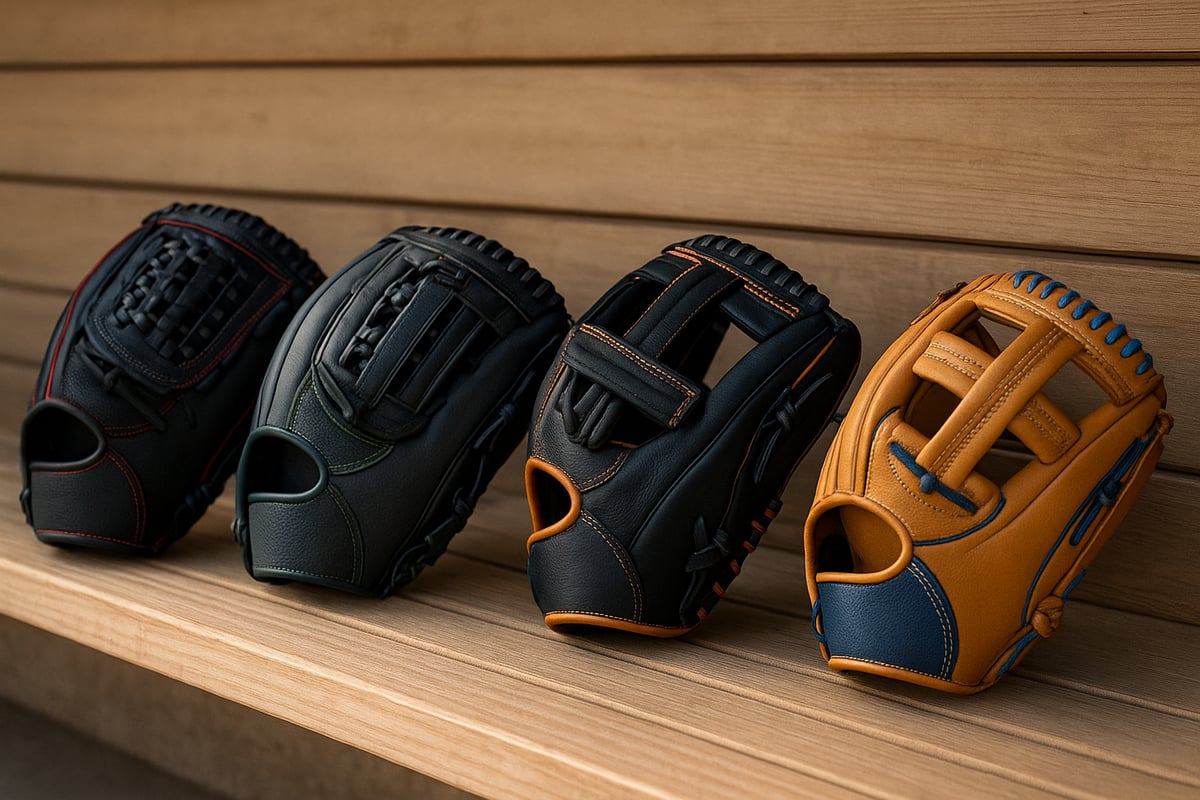
Selecting the right glove type is crucial for any baseball equipment collection. Infield gloves are generally smaller for quick transfers, while outfield gloves have deeper pockets for catching fly balls. First baseman’s mitts are wider with a curved edge for scooping throws, and catcher's mitts feature extra padding and a closed web to handle high-velocity pitches. Pitcher’s gloves often have closed webs to conceal grip. Each position-specific design ensures players can perform at their best, making glove choice a foundational step in assembling effective baseball equipment.
Sizing and Fit
Proper glove sizing ensures optimal performance and comfort, which is essential in baseball equipment. To find the right fit, measure from the tip of the index finger to the heel of the glove. Youth gloves typically range from 9 to 12 inches, while adult gloves span 11 to 13 inches depending on position. Breaking in a glove involves applying oil, using a mallet, and shaping it to your hand. Well-fitted gloves improve control and reduce the risk of dropped balls, supporting every player’s confidence on the field.
Materials and Durability
Gloves in modern baseball equipment are made from a range of materials, each with unique advantages. Full-grain leather offers superior durability and a traditional feel, while steerhide provides added toughness for elite players. Synthetic materials, now more common in 2026, offer lighter weight and enhanced weather resistance. Many gloves blend leather with advanced synthetics for all-weather play. Choosing the right material affects glove longevity and performance, making it a key consideration for every player’s baseball equipment needs.
Care and Maintenance
Maintaining gloves is vital for maximizing the lifespan of your baseball equipment. Regularly clean your glove with a damp cloth and apply leather conditioner to prevent cracking. Store your glove in a cool, dry place and avoid excessive heat, which can warp the shape. Inspect for loose laces or minor tears, and repair them promptly to ensure continued reliability. Proper care not only preserves appearance but also maintains the glove’s performance, reinforcing its role as a cornerstone of baseball equipment.
Innovations in 2026 Gloves
The latest advancements are transforming gloves in baseball equipment. Smart gloves now feature embedded sensors to track catches and throws, offering valuable feedback for player development. Enhanced padding with impact-absorbing materials reduces hand injuries, while customizable color options and fit let players express individuality. Position-specific designs have grown more sophisticated, with tailored webbing and ergonomic shapes. These innovations highlight how baseball equipment in 2026 continues to evolve, blending tradition with cutting-edge technology for superior fielding performance.
Protective Gear: Safety First for Modern Players
Stepping onto the field in 2026 means relying on advanced protective gear as a core part of your baseball equipment. Modern innovations focus on reducing injury risk, improving comfort, and ensuring compliance with evolving safety standards. Let’s explore the latest essentials every player should consider.
Batting Helmets and Face Protection
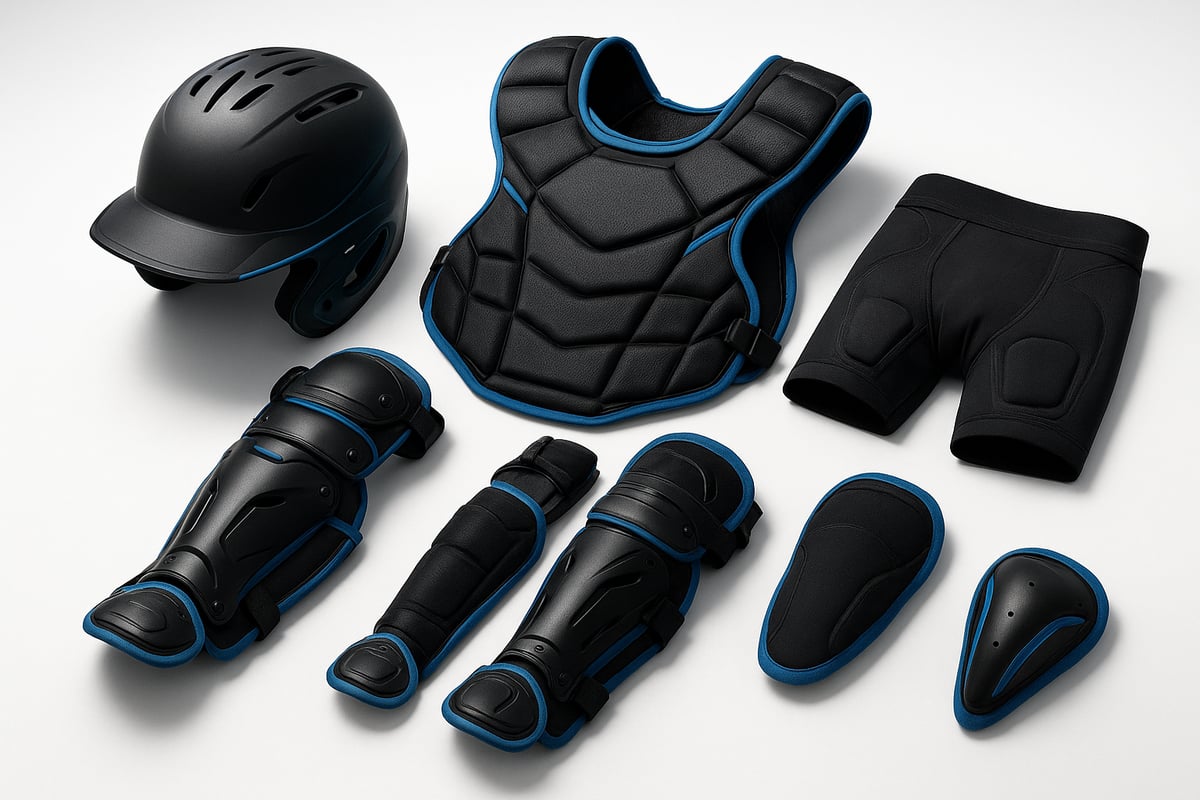
Helmets are a non-negotiable part of baseball equipment, and 2026 brings even stricter standards. New models feature integrated impact sensors that track hits and alert coaches or trainers to potential injuries. Improved ventilation keeps players cool during long games.
Face guards and jaw protectors are now widely used, especially in youth leagues, offering extra coverage for vulnerable areas. Dual-ear helmets are increasingly common for younger players, providing balanced protection. As safety requirements evolve, organizations like Little League lead the way with updates to helmet standards and education, as seen in Little League's 2026 Safety Initiatives. Choosing certified helmets ensures compliance and maximizes safety.
Catcher’s Gear Essentials
Catcher’s gear has seen major upgrades in recent years, making it a critical part of any baseball equipment checklist. The latest sets use lightweight, high-density foams that absorb impact without sacrificing mobility. Modular designs allow for quick gear adjustments and better fit for players of all sizes.
A typical set includes:
- Chest protectors with advanced padding
- Shin guards shaped for full coverage
- Throat guards for added neck safety
Opting for ergonomic, well-fitted catcher’s gear not only reduces fatigue but also helps prevent common injuries behind the plate.
Cups and Pelvic Protectors
Protection for sensitive areas is essential for both male and female athletes. Baseball equipment in 2026 includes gender-specific cups and pelvic protectors, designed for comfort and reliable coverage. League rules increasingly mandate their use, especially for youth and high school players.
Leading brands offer anatomical shapes and moisture-wicking materials to ensure all-day comfort. Studies show a significant drop in related injuries when players use proper protection. Investing in the right cup or pelvic protector is a small step that can prevent major setbacks.
Sliding Shorts and Additional Padding
Sliding shorts are now a staple in baseball equipment, helping players minimize abrasions and bruises during aggressive base running. Modern versions come with integrated padding at the hips and thighs, offering targeted protection without restricting movement.
Additional padding, such as elbow and shin guards, is popular among fielders and batters alike. These accessories can be layered with other gear to create a custom fit for each player’s needs. Selecting the right combination of shorts and pads enhances both safety and confidence on the field.
Maintenance and Replacement
Caring for protective baseball equipment extends its life and keeps it effective. Helmets and pads should be inspected routinely for cracks, dents, or worn straps. Replace any gear that shows signs of damage or compromised padding immediately.
Key maintenance tips include:
- Wiping down gear after each use
- Air-drying to prevent mold or odors
- Storing in a cool, dry place
Following a regular maintenance schedule ensures every piece of protective gear continues to perform at its best, keeping players safe throughout the season.
Footwear and Uniforms: Comfort, Performance, and Compliance
Stepping onto the field in 2026, players know that the right footwear and uniforms are essential components of baseball equipment. Proper choices here can mean the difference between peak performance and preventable injuries. This section explores the latest in cleats, sizing, uniform essentials, accessories, and care to help every player stay comfortable and compliant throughout the season.
Cleats: Metal vs. Molded vs. Turf Shoes
Choosing the right cleats is a critical baseball equipment decision. In 2026, players can select from metal, molded, or turf shoes, each with distinct benefits:
- Metal cleats: Offer superior traction and are preferred by advanced players, but are often restricted in youth leagues for safety.
- Molded cleats: Made from durable rubber or plastic, these are versatile and allowed in most leagues, providing comfort and stability on various surfaces.
- Turf shoes: Designed for artificial surfaces, they feature smaller, rubber nubs to protect both the player and the field.
Always check league rules regarding cleat types, as regulations vary by age and level of play.
Sizing and Fit for Maximum Performance
Proper sizing is a cornerstone of effective baseball equipment. Ill-fitting cleats can lead to blisters, foot pain, and reduced mobility.
To ensure the best fit:
- Measure feet at the end of the day when they are largest.
- Allow a thumb’s width of space beyond the longest toe.
- Wear the same socks you’ll use during games when trying on cleats.
A snug, supportive fit enhances agility and minimizes injury risk, helping players perform at their best on the diamond.
Uniform Essentials
Uniforms are more than just team colors—they are a vital part of baseball equipment. In 2026, standard components include:
- Jersey: Made from moisture-wicking, breathable fabrics.
- Pants: Designed for durability and comfort, often with reinforced knees.
- Socks and belt: Provide support and complete the look.
Customization options abound, from player names to unique team logos. Many teams now opt for sustainable materials, aligning with modern values and league trends.
Accessories for Comfort and Style
Accessories are an integral part of complete baseball equipment, enhancing both comfort and performance. Popular choices among players include:
- Sliding mitts: Protect hands during aggressive base running.
- Compression sleeves: Support muscles and aid in recovery.
- Sunglasses: Shield eyes from glare in the outfield.
Selecting high-quality accessories can give players a psychological and physical edge, while also expressing personal style on the field.
Care and Maintenance
Maintaining footwear and uniforms is essential to prolonging the life of baseball equipment. Always follow these care tips:
- Wash uniforms in cold water and air dry to prevent shrinkage.
- Clean cleats after each game by removing dirt and debris.
- Store gear in a cool, dry place to avoid mold and odors.
Regular maintenance ensures that your baseball equipment remains functional and presentable, keeping you ready for every game and practice.
Must-Have Accessories and Training Aids
When it comes to baseball equipment, the right accessories and training aids can be the difference between a good season and a great one. These essentials not only enhance performance but also keep your gear organized and ensure you are ready for every play.
Batting Gloves and Grips
Batting gloves are a staple in any baseball equipment collection. They provide superior grip, reduce bat vibration, and help prevent blisters during intense games. Sizing is crucial, so choose gloves that fit snugly without restricting movement. Materials range from leather for durability to synthetic blends for breathability. Many players also use specialized bat grips to further enhance control and comfort, ensuring a confident swing at the plate.
Equipment Bags and Organization
Keeping your baseball equipment organized is essential for efficiency on game day. Equipment bags come in various styles, including backpacks, duffels, and wheeled options. Look for features like separate bat sleeves, helmet compartments, and ventilated pockets for cleats. Personalization options are popular in 2026, allowing players to match their bags with team colors and logos. For a closer look at customization choices, check out this Custom baseball bags guide.
Sunglasses and Eye Protection
Sunglasses are a must-have accessory for outfielders and anyone playing under the sun. Quality eye protection helps reduce glare, sharpen vision, and prevent eye strain during long innings. Polarized lenses are ideal for bright conditions, while non-polarized options work for mixed lighting. When selecting baseball equipment, do not overlook the importance of sunglasses for both performance and safety.
Training Aids for Skill Development
Training aids have become a cornerstone of modern baseball equipment. Hitting tees, rebounders, and pitching machines offer players the opportunity to practice mechanics and build muscle memory year-round. Off-season use of these tools has surged, reflecting their value in skill development. Explore the latest options for automated pitching with this Baseball pitching machines overview to see what fits your training regimen.
Maintenance Tools and First Aid
Proper care of your baseball equipment extends its lifespan and ensures peak performance. Essentials include glove conditioners, bat tape, and compact repair kits for on-the-go fixes. Keeping a well-stocked first aid kit in your bag is equally important, allowing you to quickly address minor injuries and stay focused on the game.
Weighted Equipment and Warm-Up Tools
Weighted accessories like batting donuts and resistance bands are vital for building strength and improving swing speed. Stretching aids and warm-up tools help players prepare their bodies and reduce injury risk before taking the field. Incorporating these into your routine supports both performance and longevity in the sport.
The Future of Baseball Gear: Trends and Innovations for 2026 and Beyond
Baseball equipment is entering a new era shaped by technology, sustainability, and inclusivity. As 2026 approaches, players and coaches are seeing an exciting wave of innovation designed to enhance every aspect of the game. From smart devices to eco-friendly materials, the evolution of baseball equipment is transforming how athletes train, play, and stay safe.
Smart Equipment and Wearable Tech
The integration of smart technology into baseball equipment is revolutionizing player development. Bats now feature embedded sensors that track swing speed, launch angle, and point of contact. Gloves and cleats are equipped with chips that monitor fielding efficiency and running mechanics. Data syncs directly to mobile apps, offering real-time performance insights.
Professional teams are leveraging these innovations to fine-tune training regimens. Youth leagues are also adopting affordable smart gear, helping young athletes understand their progress. As a result, baseball equipment is no longer just about protection or tradition, but about empowering players with actionable analytics.
Sustainability and Eco-Friendly Materials
Environmental responsibility is taking center stage in baseball equipment design. Manufacturers are using recycled plastics, biodegradable leathers, and water-based dyes to reduce their carbon footprint. Uniforms made from post-consumer fibers are gaining traction in both amateur and professional leagues.
For example, MLB and NCAA have initiated programs to promote sustainable gear. Players now have access to bats, gloves, and cleats crafted from renewable resources. This shift ensures that baseball equipment supports both peak performance and the planet, aligning athletic excellence with environmental stewardship.
Customization and Personalization
The demand for personalized baseball equipment is stronger than ever. 3D-printed bats and gloves offer custom fits tailored to each athlete’s hand size and grip preference. Teams can select unique colorways, logos, and even add individual player names to uniforms and accessories.
Personalization extends to protective gear and footwear, allowing players to express their style while meeting league standards. This trend not only boosts confidence but also ensures that every piece of baseball equipment feels like an extension of the athlete.
Enhanced Safety Standards
Safety remains a top priority as leagues update regulations for 2026. Helmets now include impact sensors and advanced padding to better protect against head injuries. Face guards and jaw protectors are becoming standard for youth and adult players alike.
To maintain optimal protection, organizations are emphasizing reconditioning and recertification. For instance, the NAERA's 2025 Helmet Reconditioning Recommendations highlight the importance of regular inspection and maintenance of protective gear. These advancements help ensure that baseball equipment meets the latest safety protocols at every level of play.
Accessibility and Inclusivity
Manufacturers are prioritizing accessibility by designing adaptive baseball equipment for players with physical challenges. Innovations include gloves with modified closures, lightweight bats with alternative grips, and gender-specific protective gear.
Inclusivity is also reflected in expanded sizing and adjustable features, making it easier for all athletes to find comfortable, compliant gear. These improvements are ensuring that every player has the opportunity to participate safely and confidently.
Equipment Buying Tips for 2026 Players
Choosing the right baseball equipment in 2026 requires careful evaluation. Players should research new technologies, read user reviews, and verify league certifications before making a purchase. It is crucial to stay informed about updates in rules and equipment standards.
Consulting with coaches, trying gear in-store, and comparing features online will result in smarter buying decisions. By prioritizing fit, safety, and performance, athletes can maximize their investment in baseball equipment.
Preparing for the Season: Equipment Checklist
A successful season starts with the right baseball equipment. Use this checklist to ensure you are ready for tryouts, practices, and games:
- Bat (certified for your league)
- Glove or mitt (position-specific)
- Batting helmet (meets safety standards)
- Cleats (appropriate for your league)
- Uniform (jersey, pants, socks, belt)
- Protective gear (cup, chest protector, shin guards if needed)
- Accessories (batting gloves, sunglasses, equipment bag)
- Training aids (tees, resistance bands)
- Maintenance kit (glove oil, bat tape)
With the right baseball equipment and a focus on innovation, 2026 promises to be a dynamic year for players at every level.